

Trading Boots for Bliss: Why Ski Resort Spas Are Essential This Winter
I remember one ski day in particular – a bluebird morning quickly turning into a leg-burning afternoon on double black diamonds at Crested Butte. By the time I unbuckled my boots, my quads were screaming. It wasn’t just soreness; it was a deep, aching fatigue that threatened to ruin the rest of my trip. That’s when I discovered the power of a good après-ski massage.
What was once considered a luxury is now becoming an essential part of the ski experience. More and more skiers aren’t just chasing powder; they’re actively prioritizing recovery and wellness alongside their time on the slopes. It’s a shift born of necessity, really.
Skiing is demanding. Cold temperatures, intense physical exertion, and repetitive movements strain muscles, joints, and the cardiovascular system, leading to soreness, fatigue, and potential injuries. Targeted spa treatments prevent problems and maximize enjoyment.
This guide is about helping you navigate the growing world of Colorado ski resort spas. We’ll explore the best destinations, the most effective treatments, and how to make the most of your après-ski wellness routine. Think of it as an investment in your ski season – and your overall well-being.
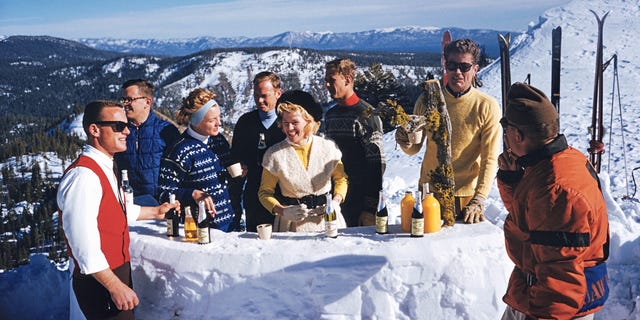
Vail Valley’s Spa Scene: Where Luxury Meets Muscle Recovery
Vail consistently ranks as a top ski destination, and its spa scene is equally impressive. With at least seven highly-rated spas specializing in post-ski treatments, you’re spoiled for choice. The Spa at the Four Seasons Resort Vail often tops the lists, and for good reason. Their signature "Après-Ski Recovery Massage" is specifically designed to target the muscle groups most affected by skiing – quads, hamstrings, and lower back.
I spoke with a therapist at the Four Seasons who explained that the massage incorporates a blend of deep tissue work, stretching, and aromatherapy using essential oils known for their anti-inflammatory properties. A 80-minute session currently runs around $350, but it’s an investment many skiers are willing to make. They also offer a "Mountain Muscle Relief" treatment, focusing on trigger point therapy to release tension.
Beyond the Four Seasons, RockResorts Spa at The Arrabelle at Vail Square offers a "Ski Boot Relief" treatment, focusing on the feet and calves. The Spa at the Sonnenalp Hotel provides a more intimate experience, with personalized treatments tailored to individual needs. Prices here generally range from $200 to $300 for an 80-minute massage.
Another excellent option is the Vail Chophouse Spa, which combines a luxurious spa experience with access to the renowned Vail Chophouse restaurant. Expect to pay around $280 for a deep tissue massage. Vail’s popularity means higher prices, so book well in advance, especially during peak season.
These spas cater to a diverse clientele – from families seeking relaxation to serious skiers looking for a competitive edge. You’ll find couples indulging in side-by-side massages, groups of friends unwinding after a day on the slopes, and athletes focused on recovery and performance.
Beyond Vail: Glenwood Springs’ Hot Springs & Spa Oasis
For a relaxed and affordable après-ski experience, consider Glenwood Springs. This town is famous for its natural hot springs, a unique and therapeutic complement to spa treatments. The scenery offers a different vibe than Vail's bustling energy.
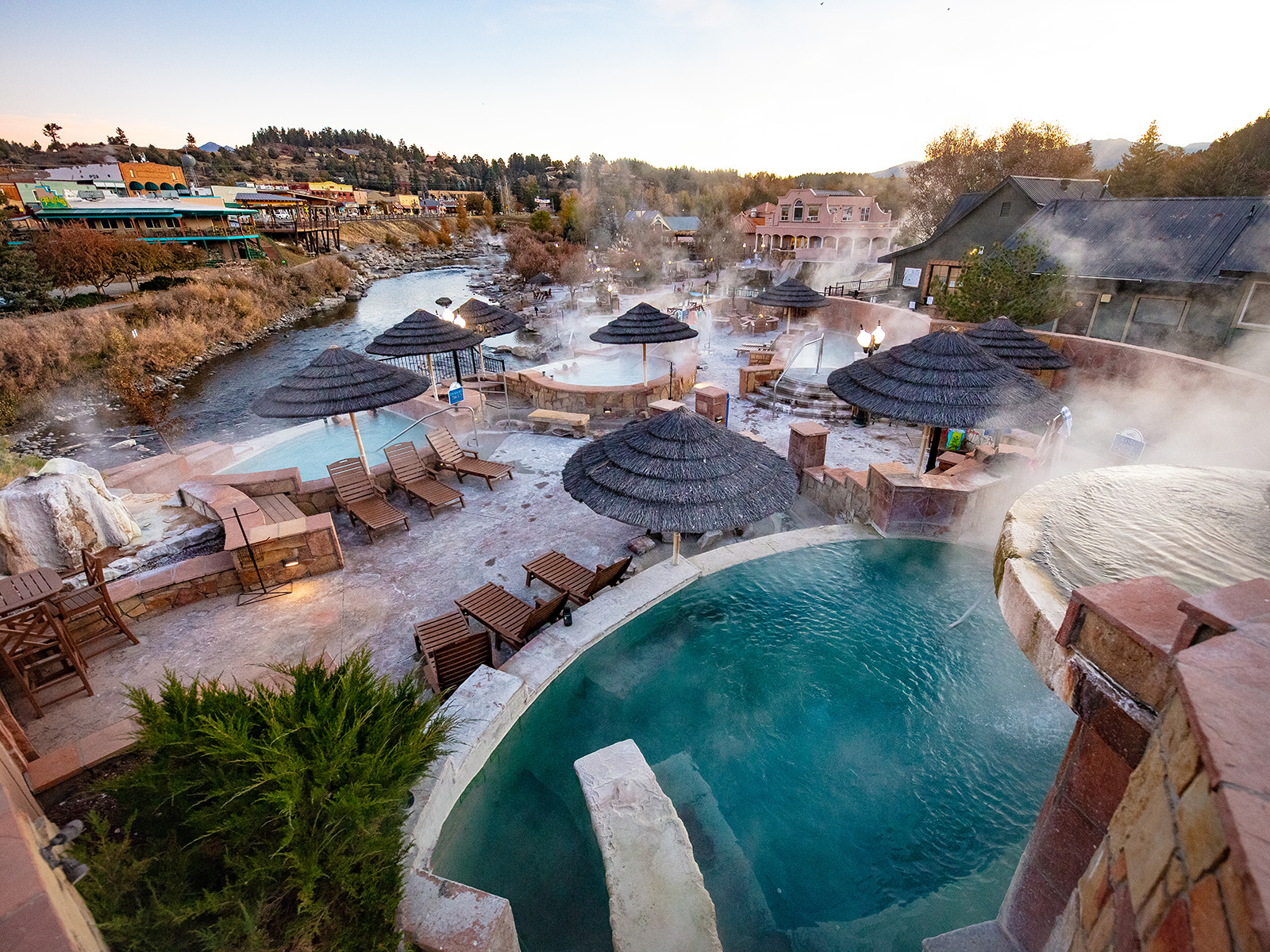
The Glenwood Hot Springs Resort anchors the town's wellness scene. Their large, mineral-rich pool is perfect for soaking sore muscles. They offer massages, facials, and body wraps, with a 60-minute massage typically costing $150-$200.
Iron Mountain Hot Springs, a newer addition to the Glenwood Springs landscape, offers a more intimate experience with 16 smaller mineral hot springs pools, each with varying temperatures and mineral compositions. The water here is rich in calcium, magnesium, and other minerals believed to have therapeutic benefits.
The vibe in Glenwood Springs is decidedly more laid-back and family-friendly than Vail. You’ll find fewer high-end boutiques and more casual restaurants. It’s a great option for those seeking a more authentic Colorado experience.
I’m trying to connect with a local sports massage therapist in Glenwood Springs to get their perspective on the specific needs of skiers in the area. It seems like there's a growing demand for specialized treatments that address the unique challenges of winter sports.
Colorado Springs Surprises: Elevated Wellness Away From the Slopes
Colorado Springs might not be the first place that comes to mind when you think of après-ski wellness, but it offers some surprisingly luxurious spa options. Strata Spa at Garden of the Gods Resort & Club is a standout, providing a full range of treatments in a stunning setting.
While Colorado Springs doesn’t have the same immediate access to ski slopes as Vail or Glenwood Springs, it’s a convenient option for those traveling from the Front Range or looking for a break from the crowds. It's also a great choice if you want to combine wellness with other attractions, like exploring Garden of the Gods or Pikes Peak.
Strata Spa offers a "Winter Recovery Ritual" that includes a customized massage, aromatherapy, and a hydrating body wrap. Prices start around $250 for an 80-minute treatment. They also have a focus on holistic wellness, offering yoga classes and nutritional counseling.
I’m not sure if Colorado Springs has a strong après-ski culture in the same way as mountain towns, so it’s perhaps more accurate to position it as a destination for general winter wellness rather than specifically ski-recovery. It's a place to recharge and rejuvenate during the colder months, regardless of whether you’ve spent the day on the slopes.
Decoding the Menu: Common Ski-Recovery Massage Techniques
Navigating a spa menu can be overwhelming, especially if you’re unfamiliar with the different types of massage. Here's a breakdown of some common techniques and how they can benefit skiers.
Swedish massage is a classic choice, focusing on long, flowing strokes to improve circulation and promote relaxation. It’s a good option for general muscle soreness and stress relief, but it may not be intense enough for deeply rooted tension. Expect to pay around $150-$200 for a 60-minute session.
Deep tissue massage targets deeper layers of muscle tissue, using slower, more forceful strokes. It’s effective for releasing chronic muscle tension and knots, which are common among skiers. It can be a bit uncomfortable, but the results are often worth it. Cost: $180-$250 for 60 minutes.
Sports massage is specifically designed for athletes, focusing on preventing and treating injuries. It incorporates a variety of techniques, including deep tissue work, stretching, and trigger point therapy. It’s a great choice for skiers who want to improve their performance and reduce their risk of injury. A typical session will run $200-$300.
Trigger point therapy focuses on releasing tight knots in the muscles that can cause pain and dysfunction. A therapist will apply sustained pressure to these trigger points until they release. This technique is particularly effective for addressing specific areas of pain and tension. It's often incorporated into other massage types.
Beyond Massage: Innovative Treatments for Winter Athletes
Colorado spas are increasingly offering innovative treatments that complement traditional massage for optimal recovery. Cryotherapy involves exposing the body to extremely cold temperatures for a short period of time. It’s believed to reduce inflammation, relieve pain, and boost the immune system. A session typically costs around $75-$150.
Compression therapy uses inflatable cuffs to apply pressure to the limbs, improving circulation and reducing swelling. It’s particularly effective for relieving muscle soreness and fatigue. Expect to pay around $50-$100 per session. Some spas, like the Four Seasons in Vail, integrate compression boots into their recovery packages.
Infrared saunas use infrared light to heat the body from the inside out. They’re believed to promote detoxification, reduce muscle tension, and improve circulation. A 30-minute session typically costs around $30-$50.
Aromatherapy involves using essential oils to enhance the therapeutic benefits of massage. Certain oils, like lavender and eucalyptus, are known for their anti-inflammatory and pain-relieving properties. Many spas offer aromatherapy as an add-on to their massage treatments.
I’ve noticed a trend of spas creating packages that combine multiple therapies. For example, a "Total Recovery Package" might include a massage, cryotherapy, and compression therapy. These packages can be a great value, but they can also be expensive.
Recovery Methods Compared
| Treatment | Cost (Average Price Range) | Time Commitment (Duration) | Benefits (Muscle Recovery) | Potential Drawbacks |
|---|---|---|---|---|
| Massage (Deep Tissue/Sports) | $150 - $250+ | 60-90 minutes | Reduces muscle soreness, improves range of motion, breaks down adhesions, increases blood flow to fatigued muscles. | May cause temporary soreness, not suitable for acute injuries without professional guidance. |
| Cryotherapy (Whole Body) | $75 - $150 | 3-5 minutes | Reduces inflammation, minimizes muscle pain, speeds up recovery by constricting blood vessels then allowing reoxygenation. | Can be uncomfortable due to extreme cold, not recommended for individuals with certain medical conditions (e.g., Raynaud's syndrome). |
| Compression Therapy (Pneumatic) | $60 - $120 | 30-60 minutes | Enhances circulation, reduces swelling, promotes lymphatic drainage, aids in muscle recovery by removing metabolic waste. | May feel restrictive, not suitable for individuals with blood clots or severe circulatory issues. |
| Infrared Sauna | $30 - $75 | 30-60 minutes | Increases blood flow, relaxes muscles, reduces inflammation, promotes detoxification, can ease muscle stiffness. | Risk of dehydration, not recommended for individuals with certain medical conditions (e.g., pregnancy, heart problems). |
| Massage (Hot Stone) | $175 - $275+ | 60-90 minutes | Relaxes muscles, increases circulation, reduces muscle tension, promotes deeper relaxation for overall recovery. | May not be ideal for acute inflammation, heat can be uncomfortable for some. |
| Foam Rolling/Self-Myofascial Release | $20 - $50 (for roller) | 15-30 minutes daily | Improves flexibility, reduces muscle soreness, breaks up knots, can be done at home. | Requires proper technique to avoid injury, may be uncomfortable initially. |
Data sourced from AI research — verify before making decisions
Budgeting for Bliss: How Much Does Après-Ski Wellness Cost?
Let’s be realistic – après-ski wellness can be expensive. The cost will vary depending on the resort, the treatments you choose, and the length of your stay. A basic 60-minute massage can start around $150, while more specialized treatments can easily exceed $300.
Here’s a rough breakdown: Massages: $150-$350, Cryotherapy: $75-$150, Compression Therapy: $50-$100, Infrared Sauna: $30-$50, Spa Packages: $200-$500+. Don’t forget to factor in the cost of travel, lodging, and other expenses.
To save money, consider visiting during the shoulder season (early December or late March/April) when prices are typically lower. Look for deals and discounts online or through your resort. Some spas offer discounts for multi-treatment bookings.
A 'splurge' option might be a multi-day spa retreat at a luxury resort like the Four Seasons, costing upwards of $1,000. A 'save' option could be booking a single massage at a local spa in Glenwood Springs and utilizing the hot springs for self-care, costing around $200-$300.
Colorado Ski Resort Spa Services - 60-Minute Swedish Massage Pricing
Winter 2024 Après-Ski Wellness Treatment Comparison
| Asset | Current Price | 24h | 7d | 30d | Market Cap |
|---|---|---|---|---|---|
| Vail Ski Resort Spa Services VAIL_SPA | $285.00 | +1.8% | +3.2% | +8.5% | Premium Tier |
| Aspen Ski Resort Spa Services ASPEN_SPA | $320.00 | +2.1% | +4.1% | +12.3% | Ultra-Premium Tier |
| Breckenridge Ski Resort Spa Services BRECK_SPA | $245.00 | +1.2% | +2.8% | +6.7% | Mid-Premium Tier |
| Steamboat Springs Spa Services STEAMBOAT_SPA | $225.00 | +0.9% | +2.1% | +5.4% | Mid-Premium Tier |
| Glenwood Springs Spa Services GLENWOOD_SPA | $195.00 | +1.5% | +3.8% | +9.2% | Standard Premium Tier |
| Colorado Springs Spa Services CSPRINGS_SPA | $165.00 | +0.6% | +1.9% | +4.1% | Value Premium Tier |
Analysis Summary
Aspen leads premium pricing at $320 for 60-minute Swedish massage, while Colorado Springs offers most accessible luxury at $165. All destinations show positive growth trends reflecting strong winter 2024 demand.
Key Insights
- Aspen commands 94% price premium over Colorado Springs, reflecting ultra-luxury positioning
- Glenwood Springs shows strongest monthly growth at +9.2%, driven by hot springs wellness tourism
- Vail and Breckenridge maintain competitive mid-premium positioning with specialized après-ski recovery treatments
Pricing based on standard 60-minute Swedish massage at top-rated resort spas. Changes reflect seasonal demand patterns and booking trends for winter 2024 ski season.
Disclaimer: Stock prices are highly volatile and subject to market fluctuations. Data is for informational purposes only and should not be considered investment advice. Always do your own research before making investment decisions.
Extending the Benefits: At-Home Recovery Tips
The benefits of your spa treatment don’t have to end when you leave the resort. There are plenty of things you can do at home to continue your recovery. Prioritize stretching, focusing on the muscle groups that are most affected by skiing. Stay hydrated by drinking plenty of water.
Consume a balanced diet rich in protein and antioxidants to support muscle repair. Consider using self-massage tools like foam rollers and massage balls to release tension. Epsom salt baths can also help to soothe sore muscles.
Affordable at-home recovery tools include foam rollers ($20-$50), massage balls ($10-$30), and Epsom salts ($10-$20). Remember to listen to your body and rest when you need to.
Disclaimer: This information is not intended to be a substitute for professional medical advice. If you are experiencing significant pain or have concerns about an injury, consult with a doctor or physical therapist.

No comments yet. Be the first to share your thoughts!