


Spas colorado budget
Colorado Spa works best when the purchase path is explicit. Verify the source, compare the offer against real alternatives, check the total cost, and confirm what happens after payment before you decide. After each comparison, write down the one risk that would change your mind. If the seller, condition, support, warranty, shipping, or upkeep still feels uncertain, resolve that question before moving to checkout.
The simplest way to use this section is to verify the seller, compare the total cost, and resolve the biggest risk before you commit.
Shortlist real options
Choosing the right Colorado spa depends on your location preference and the type of experience you seek. The state offers everything from high-altitude resort sanctuaries to urban retreats in Denver. We compared the most consistently rated properties to help you narrow down your choices based on amenities, atmosphere, and location.
The following comparison table highlights four standout options. Each has been selected for its distinct approach to wellness, ranging from the historic luxury of The Broadmoor to the accessible day spa services found in major cities.
| Spa Name | Location | Type | Key Feature |
|---|---|---|---|
| Garden of the Gods Resort and Club | Colorado Springs | Resort | Red rock views and extensive treatment menus |
| The Broadmoor | Colorado Springs | Luxury Resort | Historic grandeur and award-winning spa facilities |
| Gateway Canyons Resort | Gateway | Resort | Remote canyon setting and adventure-linked packages |
| St. Julien Hotel and Spa | Boulder | Urban Boutique | Walkable location and curated local wellness products |
Garden of the Gods Resort and Club sits directly adjacent to the famous park, offering treatments that incorporate local botanicals. Its spa is known for a wide variety of massage therapies and body wraps, making it a strong choice for those who want a full resort experience without leaving the Colorado Springs area.
The Broadmoor is often cited as one of the premier luxury destinations in the region. Its spa features a five-sided pool and extensive thermal experiences. This option is ideal for travelers seeking a high-end, historic ambiance combined with comprehensive wellness services.
Gateway Canyons Resort provides a more remote experience, nestled in the canyon country. The spa focuses on relaxation after adventure activities like hot air ballooning or hiking. It is best suited for visitors who want to combine physical activity with deep relaxation in a secluded setting.
St. Julien Hotel and Spa offers a more intimate, urban boutique experience in Boulder. It is perfect for those staying in or near the city who want high-quality treatments without the commitment of a multi-day resort stay. The spa often features products from local Colorado artisans.
When booking, consider the season. Peak times like summer and winter holidays require advance reservations for both accommodations and spa treatments. Many resorts offer packages that bundle lodging with treatment credits, which can provide better value than booking services separately.
Inspect the expensive parts
High-end Colorado spas charge premium rates for amenities that can fail silently or look worn. Before booking, or when evaluating a resort's value, inspect these specific areas. A quick visual check here reveals more about management quality than the website photos.
Water damage and mold are the most common signs of deferred maintenance in luxury spas. Look closely at the grout lines in shower stalls and around floor drains. Dark streaks or crumbling grout suggest poor cleaning protocols or underlying plumbing leaks that could affect air quality.
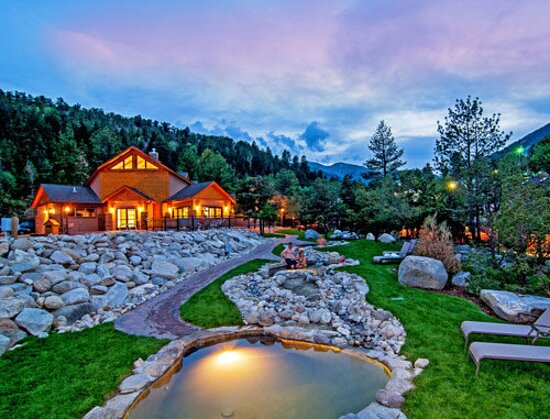
Faded or pilled upholstery indicates high turnover without replacement. Check the massage table padding for sagging or tears in the vinyl. Stains on linens that haven't been properly laundered are a hygiene red flag. High-spending clients expect crisp, white textiles and firm, supportive surfaces.
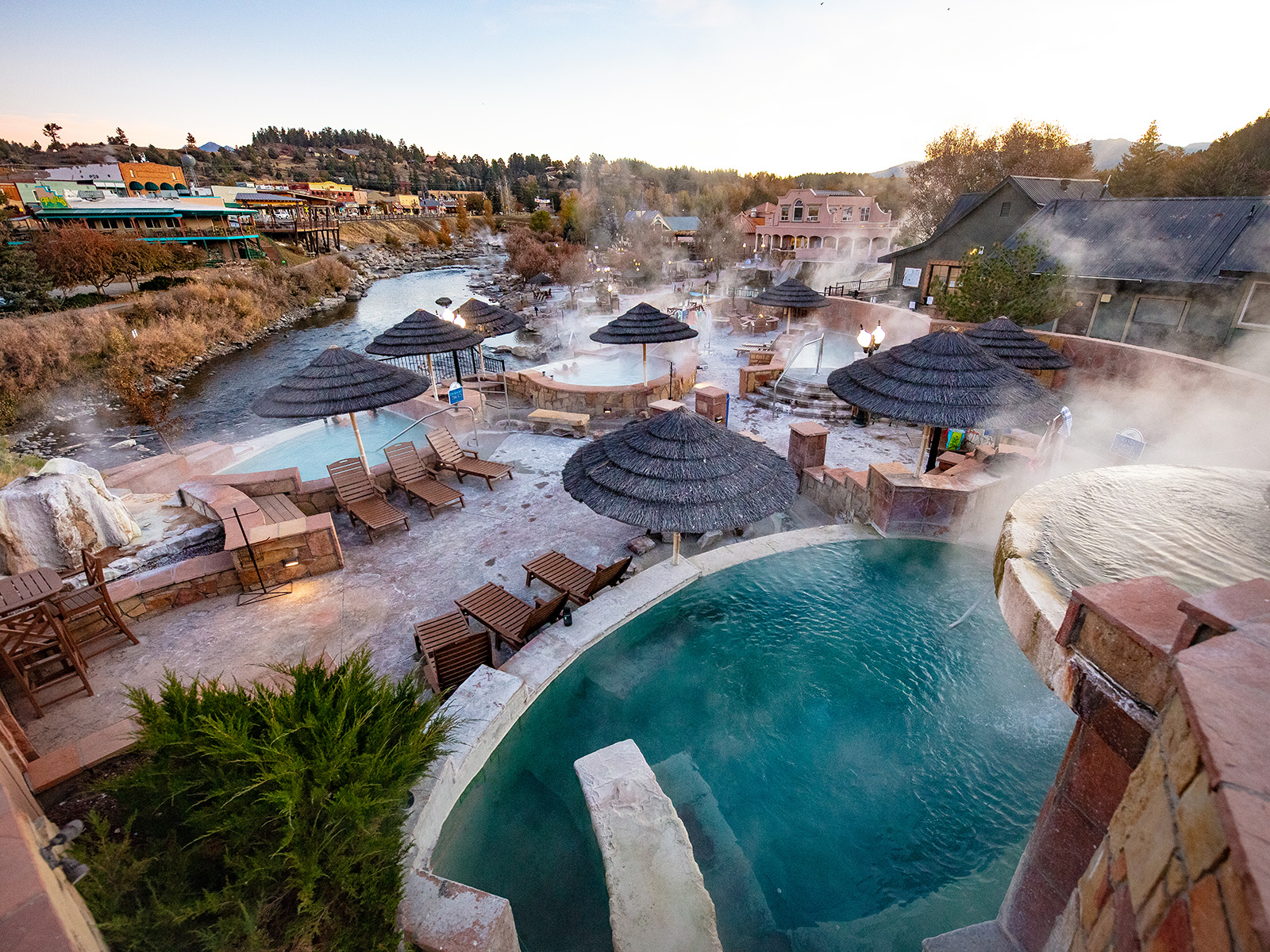
Functional heaters are expensive to repair. If the sauna feels lukewarm or the steam room produces inconsistent mist, the heating elements or generators may be failing. Ask staff about their last maintenance schedule. A well-maintained sauna should reach target temperatures within 15 minutes of entry.
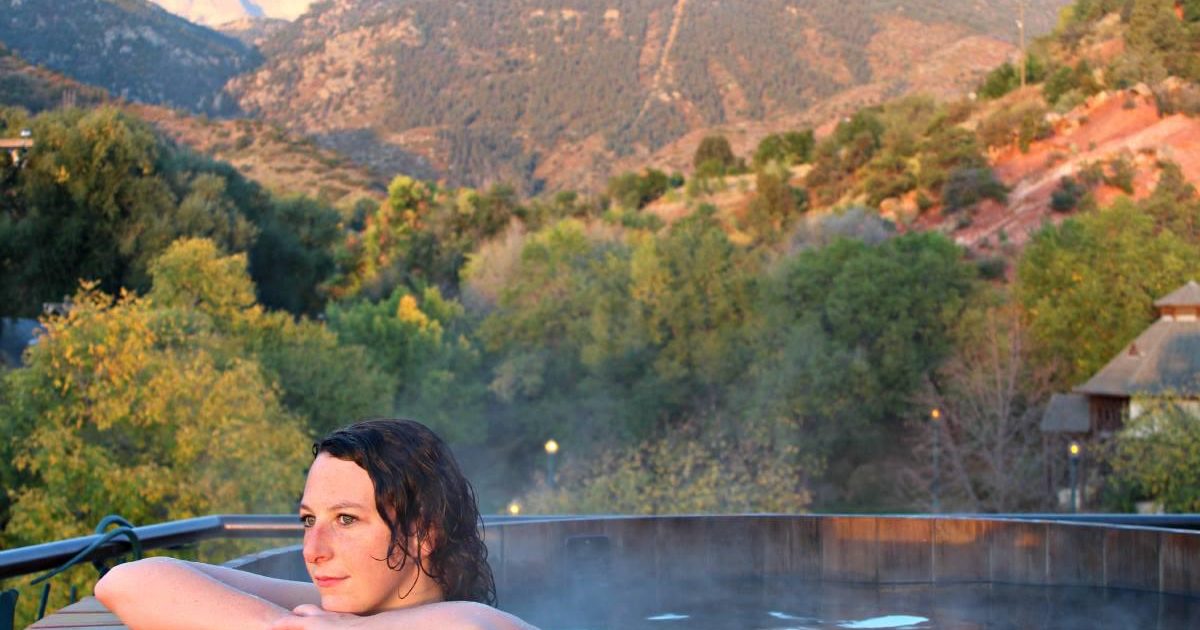
Cloudy water or a strong chlorine smell (which actually indicates chloramines) means poor filtration. Clear, odorless water is the sign of a properly balanced chemical system. If the pool water looks murky, avoid using it for immersion therapy, as it can harbor bacteria.

Bulk dispensers are common in eco-friendly spas, but check for residue around the nozzles. Dried product buildup suggests infrequent cleaning. Similarly, check if the robe and slippers are fluffy and fresh. Worn or thin robes are a sign that the spa is stretching its laundry budget.
These physical checks help you determine if the high price tag reflects genuine luxury or just marketing. A spa that invests in visible maintenance usually invests equally in staff training and treatment quality.
Plan for ownership costs
Buying a spa is the easy part; keeping it running is where the budget usually stretches. When you look at the long-term costs of a Colorado hot tub, you are really looking at three buckets: electricity, water maintenance, and winter protection. If you treat these as fixed expenses rather than afterthoughts, the "cheap" models often stop being a bargain within two years.
Electricity is your largest recurring cost. A spa heater works like a small space heater, running constantly to fight the cold. In Colorado, where nights drop below freezing, your heater runs harder and longer than in milder climates. A well-insulated model with a thick foam jacket or a high-quality thermal cover can cut this bill significantly. Expect to add $50–$100 a month to your electric bill during the winter months for a standard-sized unit.
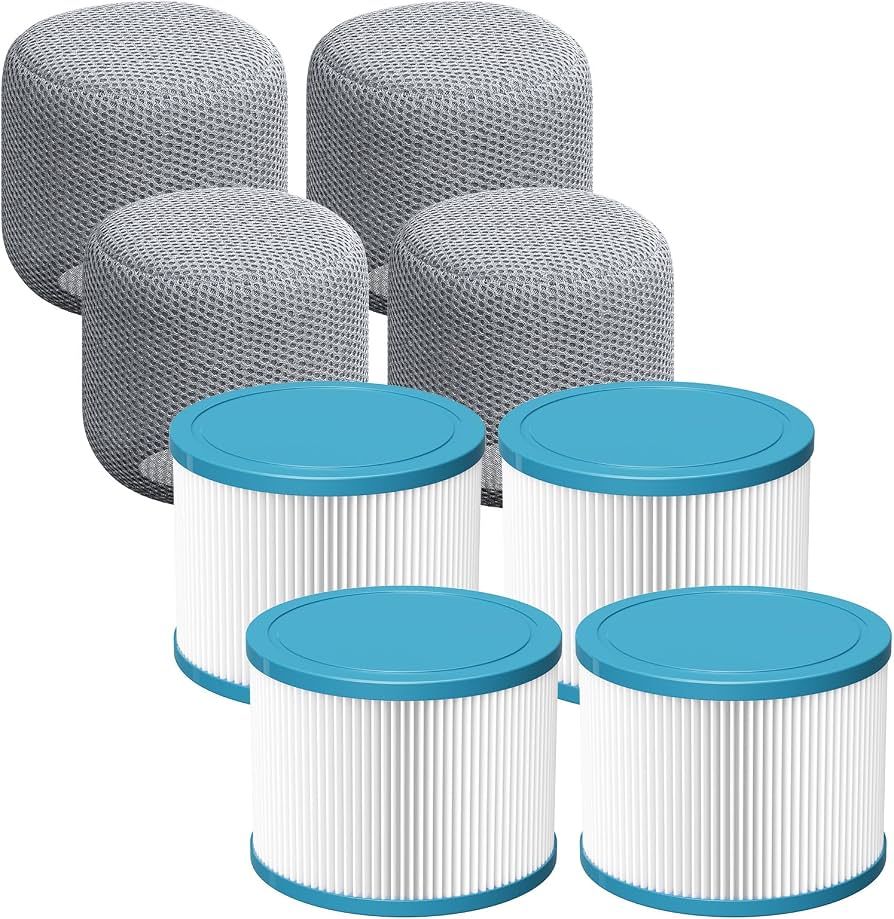
Water maintenance is the second silent cost. You cannot just fill it and forget it. You need test strips, pH balancers, and sanitizers (chlorine or bromine) every month. More importantly, you need to drain and refill the water every three to four months. This involves the cost of the water itself and the labor or equipment needed to move hundreds of gallons of heavy water away from your property. Cheap spas often have poor filtration systems, meaning you will replace filters more often and use more chemicals to keep the water clear.
Winter protection in Colorado is non-negotiable. If you live in an area with heavy snow or deep freezes, you need a high-quality, locked cover to keep heat in and debris out. A flimsy cover will sag, collect water, and freeze, leading to mold and structural damage. If the jets freeze or the shell cracks because the cover failed, that is a $2,000+ repair that dwarfs the initial savings of a cheaper unit. Always budget for a heavy-duty, insulated cover and a floating thermostat to prevent freeze damage.

As an Amazon Associate, we may earn from qualifying purchases.
When evaluating a purchase, ask the seller for the estimated annual energy consumption (kWh). If they cannot provide this, assume it is higher than average. A slightly more expensive spa with better insulation and a reliable pump system will pay for itself in energy savings and fewer repairs over a five-year period.
No comments yet. Be the first to share your thoughts!