Why massage techniques matter for relaxation
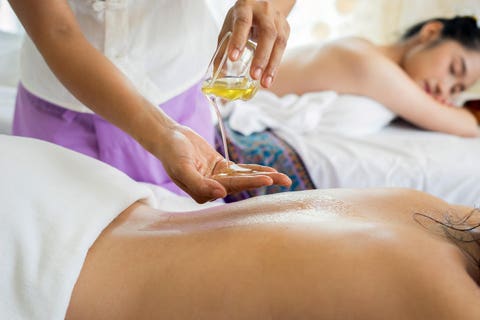
Massage is not just about pressure; it is about mechanics. The specific way you move your hands determines whether the body stays in a state of alert or shifts into deep rest. Different techniques interact with muscle tissue and nerve endings in distinct ways, triggering physiological responses that lower heart rate and reduce cortisol levels.
Think of massage techniques like tools in a workshop. Using a hammer on a delicate screw won't work, just as using heavy friction on tense, sensitive muscle fibers can cause more stress. Proper technique targets the nervous system directly. When applied correctly, these movements signal the parasympathetic nervous system to take over, slowing breathing and relaxing the fascia.
Understanding these mechanical differences helps you choose the right approach for your needs. Whether you need to loosen tight knots or simply calm an overactive mind, each of the five core methods serves a specific purpose. Mastering the distinction between them allows for a more effective and truly relaxing experience.
5 Essential Massage Techniques for Deep Relaxation in Colorado
Colorado’s high altitude and rugged terrain often demand deeper physical release than standard spa treatments provide. These five specific massage techniques target tension hotspots to promote genuine relaxation and stress relief.
-
Swedish massage for full-body relaxation
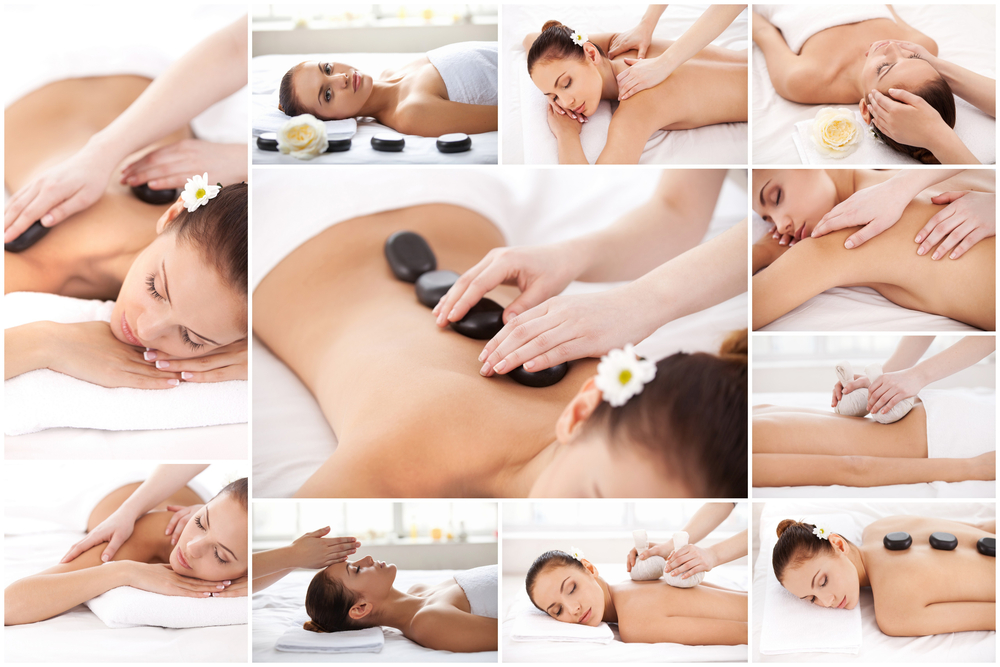
Swedish massage uses long, gliding strokes to calm the nervous system and improve circulation. This gentle approach is ideal for beginners seeking general stress relief without intense pressure. The rhythmic movements help loosen tight muscles while promoting a sense of overall well-being. It serves as an excellent entry point for those new to therapeutic bodywork, offering a soothing experience that prepares the body for deeper work. -
Deep tissue massage for chronic muscle tension
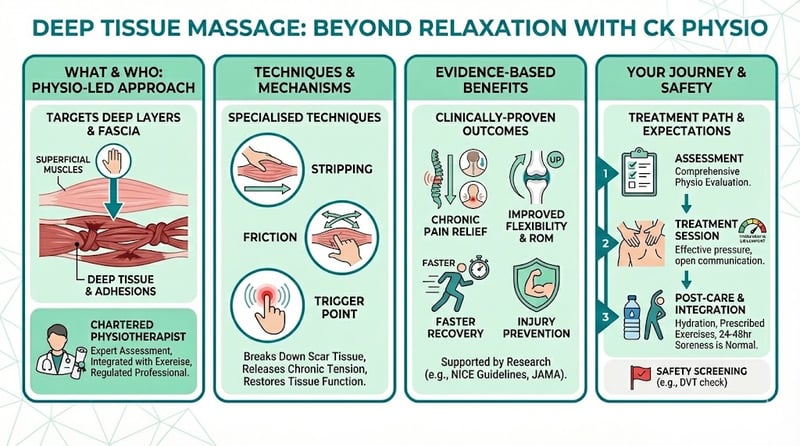
Targeting the deeper layers of muscle and connective tissue, this technique addresses chronic pain and stiffness. Therapists use slow, firm pressure to break up adhesions and release persistent tension knots. While it may feel intense during the session, the result is significant relief for areas like the neck, shoulders, and lower back. It is particularly effective for athletes or individuals with physically demanding lifestyles who need structural realignment. -
Hot stone therapy for muscle soothing
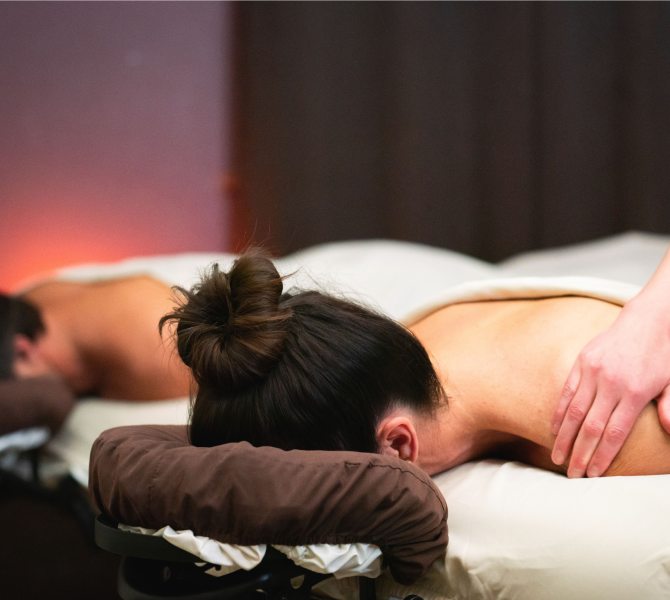
Heated basalt stones are placed on key points of the body to radiate warmth into stiff muscles. This thermal therapy helps melt away tension and improves blood flow more effectively than manual pressure alone. The heat allows therapists to work deeper with less discomfort, creating a profoundly relaxing experience. It is perfect for those who find standard massage too cold or uncomfortable, offering a unique blend of warmth and touch. -
Aromatherapy massage for stress reduction
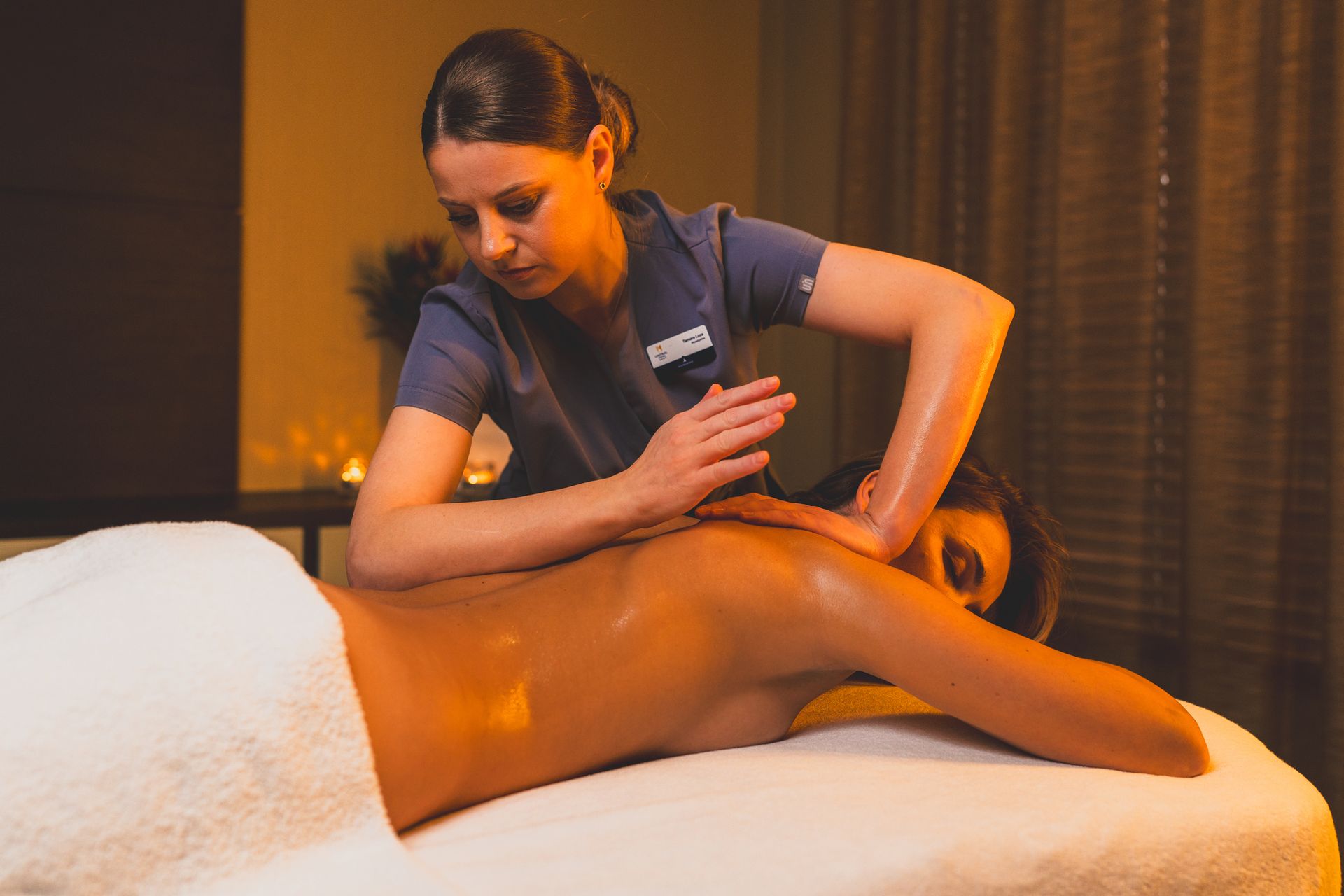
Combining traditional massage strokes with essential oils, this technique engages the sense of smell to enhance relaxation. Scents like lavender or eucalyptus can lower cortisol levels and promote a calm mental state. The aromatic compounds absorb through the skin, providing dual benefits for both physical tension and emotional well-being. It creates a sensory-rich environment that helps disconnect from daily stressors and fosters a deep sense of peace. -
Shiatsu pressure point therapy for energy flow
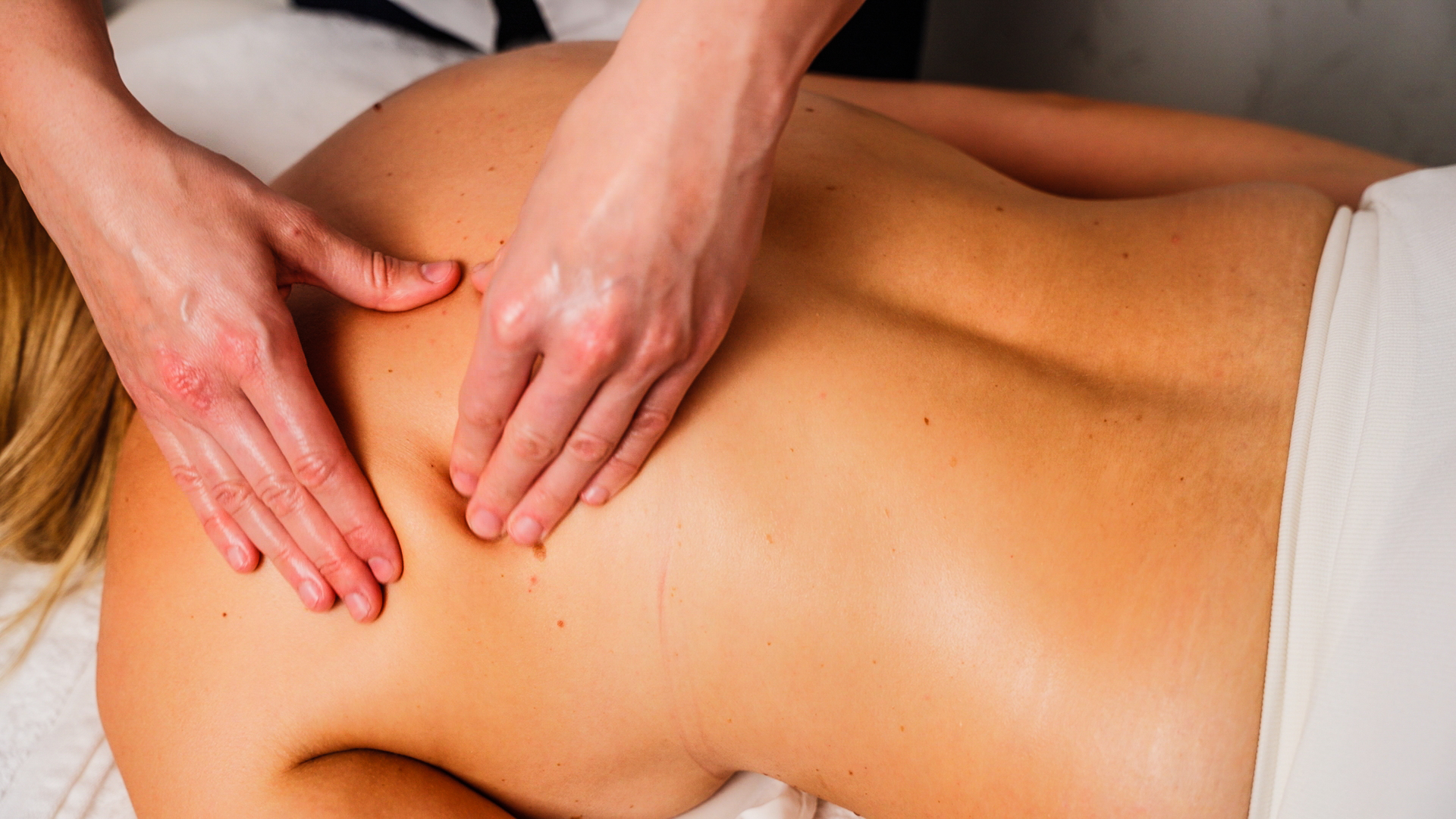
Rooted in Japanese tradition, Shiatsu uses finger pressure on specific meridian points to balance the body’s energy. Unlike rubbing techniques, this method involves sustained pressure to unblock energy pathways and restore harmony. It focuses on holistic balance rather than just localized muscle relief, addressing issues that may manifest as stress or fatigue. Practitioners adjust pressure based on the client’s immediate feedback to ensure optimal comfort and effectiveness.
Choosing the right massage technique
Selecting the correct massage technique depends on your body’s current state and your relaxation goals. While all five methods promote stress relief, they differ significantly in pressure, speed, and physiological effect. Using a comparison table helps you match your needs to the right approach.
If you are feeling generally stiff, Petrissage or Friction may be more effective. For pure stress relief, Effleurage and Vibration offer gentle relief without intense pressure. Tapotement is best reserved for when you need to feel energized rather than relaxed.
Essential Massage Tools for Home Use
You don't need a professional setup to practice deep relaxation techniques. The right tools can help you apply consistent pressure and reach tight spots that your hands might miss. Here are the essentials for building a home massage kit.
Start with a high-quality massage oil or lotion. Lubrication is critical for effleurage strokes, allowing your hands to glide smoothly without pulling the skin. Look for natural ingredients that absorb well, leaving your skin soft rather than greasy. A good oil reduces friction, which is essential for preventing irritation during longer sessions.
A foam roller or a textured massage ball helps mimic the kneading motion of petrissage. These tools allow you to apply deeper pressure to large muscle groups like the back and legs. Use a foam roller for broad areas and a smaller ball for targeted trigger points in the feet or shoulders. They act as an extension of your hands, reaching muscles you can't easily access alone.


As an Amazon Associate, we may earn from qualifying purchases.
For more focused work, consider a handheld kneading tool or a vibrating massager. These devices can help with vibration and tapotement techniques, providing rhythmic stimulation that promotes relaxation. They are particularly useful for the back and neck, where manual technique can be tiring. Choose a tool with adjustable settings to control intensity based on your comfort level.
Frequently asked: what to check next
How often should I get a deep relaxation massage in Colorado?
For most people seeking stress relief and muscle recovery, once every two to four weeks is the sweet spot. This frequency allows your body to fully absorb the benefits of techniques like effleurage and petrissage without leading to over-saturation or soreness. If you are dealing with high-stress periods or intense physical activity, you might benefit from weekly sessions to keep cortisol levels managed and muscles pliable.
Are deep tissue massages safe for everyone?
While massage is generally safe, deep pressure can aggravate certain conditions. Avoid deep relaxation techniques if you have blood clots, severe osteoporosis, or open wounds. It is also wise to consult a physician if you are pregnant or have chronic health issues. Always communicate your comfort level to your therapist; they can adjust pressure to ensure the experience remains therapeutic rather than painful.
Can I perform these massage techniques on myself at home?
Yes, many deep relaxation techniques are designed for self-care. Start by stretching your hands and wrists to prevent strain, as noted by therapeutic guides. You can use your own hands, tennis balls, or foam rollers to apply pressure to your back and legs. Focus on slow, deliberate movements to trigger the parasympathetic nervous system, which helps lower heart rate and promote deep rest.
No comments yet. Be the first to share your thoughts!