

Colorado’s Winter Wellness Scene: Why Now is the Time to Retreat
Colorado winters have a special kind of magic. Beyond the stunning snow-covered mountains, there's a quiet that encourages introspection and a feeling of escape from daily life. People are increasingly recognizing winter not as a time to hibernate, but as an opportunity to focus on well-being. Colorado is perfectly positioned to offer this intentional rest and rejuvenation.
Timing plays a big role. The holidays, while joyful, can be stressful. A winter retreat offers a chance to decompress after the festivities or build resilience before them. Colorado winters also offer genuine physiological benefits. The dry air can help with respiratory issues, and the contrast between a steaming hot spring and crisp mountain air is invigorating.
Colorado’s wellness industry has responded well to this demand. Options range from luxury resorts to secluded retreats, catering to various budgets and wellness goals. The state's outdoor recreation focus naturally extends to a holistic health approach, connecting mind, body, and spirit. It's about more than just escaping to Colorado; it's about embracing its healing energy.
The restorative experience goes beyond aesthetics. Winter light, forest stillness, and a slower pace of life all contribute. I've found that a few days in a remote Colorado hot spring can reset my system better than trying to 'power through' at home. It shifts perspective and helps reconnect with what matters.
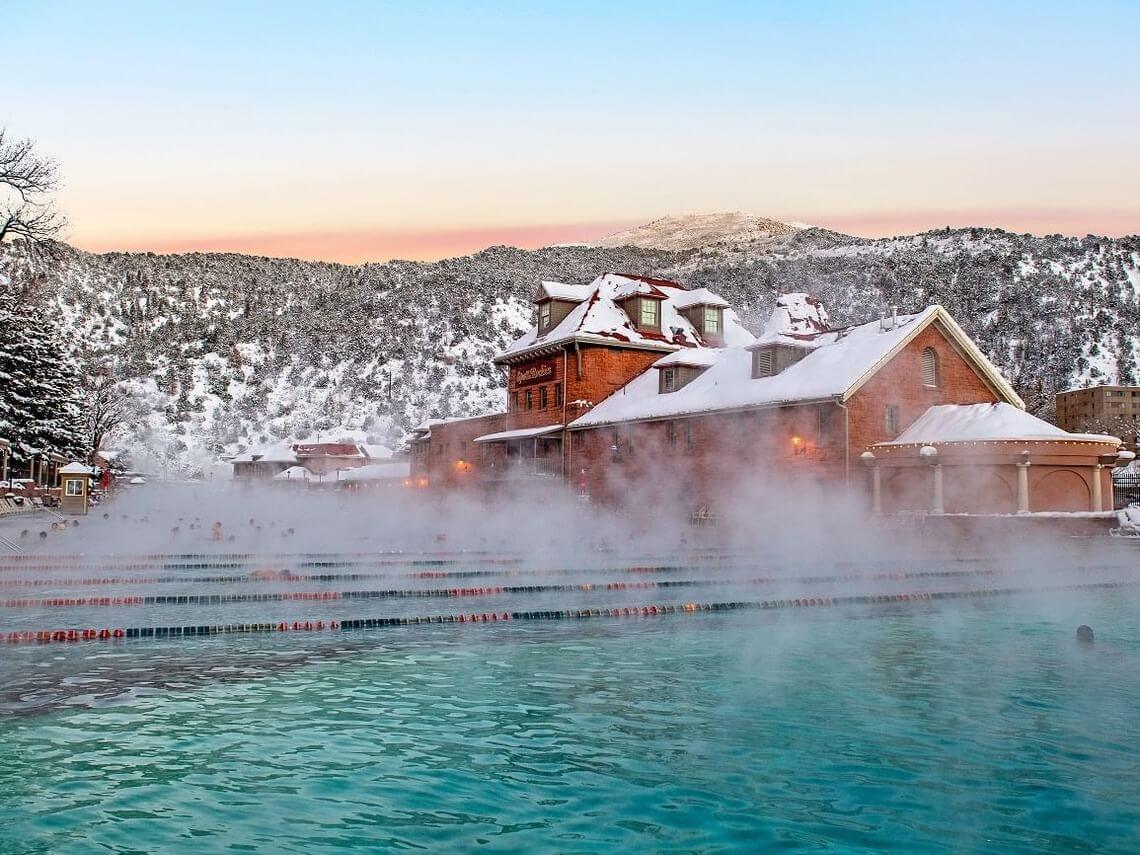
Premium Resort Spas: Luxury and Rejuvenation
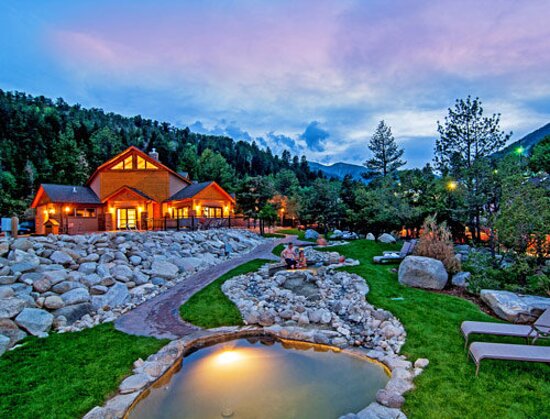
For an indulgent experience, Colorado’s resort spas are excellent. Mt. Princeton Resort, near Salida, is praised for its natural hot springs. I particularly like the adults-only section, which offers a quiet space for relaxation. A day pass costs about $60, and an 80-minute massage is around $225.
Garden of the Gods Resort & Club in Colorado Springs features Strata Spa, often ranked among the city's best. Beyond luxurious treatments, the spa offers a serene ambiance and attention to detail, creating a restorative environment. Signature facials start around $200, and a couple’s massage can exceed $400.
The Little Nell in Aspen is in a different class. Recognized by ELLE as one of the world’s best spas, it’s a destination for ultimate luxury. Expect to pay upwards of $300 for a 60-minute massage, but the experience is reportedly worth it. Their personalized service and advanced treatments stand out.
St Julien Hotel & Spa in Boulder is another standout. Their winter offerings are designed for decompression and renewal. Their spa director mentioned incorporating seasonal ingredients and treatments into the menu. A 90-minute aromatherapy massage costs around $280. I appreciate St Julien's accessibility from Denver and its sophisticated yet relaxed atmosphere.
Pricing can fluctuate based on the time of year and treatment. Always check the spa’s website or call ahead for the most current information.date information. Booking in advance is also highly recommended, especially during peak season.
Beyond the Resorts: Specialized Wellness Retreats for Deep Healing
For a more focused and intentional wellness experience, consider one of Colorado’s specialized retreats. Lazy You Spa Resort in Granby offers a comprehensive menu of massages, facials, and seasonal treatments, but it’s the overall atmosphere that truly sets it apart. They've created a space that feels incredibly nurturing and supportive. Packages range from $300 to $800 per night, depending on the inclusions.
Hotel Polaris/Ascend Spa in Colorado Springs is a premier wellness retreat with a comprehensive treatment menu. They go beyond typical spa services, offering workshops on mindfulness, nutrition, and stress management. This is a good option if you're looking for a more holistic approach to well-being. Their weekend retreats are particularly popular, typically costing between $500 and $1200.
Alluvia Spa & Wellness Retreat at the Country Club of Colorado really emphasizes the mind-body-soul connection. They offer a variety of programs designed to promote inner peace and emotional balance. I’ve heard great things about their yoga and meditation classes, and their focus on personalized care. A three-day retreat can start around $1500. The intention here is clear: this isn’t just about pampering; it’s about transformation.
These retreats differ from standard spa visits in their emphasis on education and self-discovery. They often include guided activities, group sessions, and opportunities for personal reflection. It’s about creating lasting change, not just temporary relaxation. They're often smaller and more intimate than resort spas, allowing for a deeper connection with both the practitioners and fellow guests.
- Define your wellness goals: What are you hoping to achieve with your retreat?
- Choose the right destination: Consider the environment and the type of activities offered.
- Set a realistic budget: Retreats can range in price from a few hundred to several thousand dollars.
- Verify facility expertise: Check the qualifications of the therapists and practitioners.
Hot Stone Massage in Colorado: A Deep Dive into the Technique and Top Spots
Hot stone massage is an ancient healing technique that uses smooth, heated stones to relax muscles, relieve tension, and promote circulation. Its roots trace back to traditional Chinese medicine, but the modern version was popularized by Mary Hannigan in the 1990s. The heat from the stones helps to warm and relax the muscles, allowing the therapist to work more deeply without causing discomfort. It’s different from Swedish massage in its use of heat, and from deep tissue in its generally gentler approach.
The benefits of hot stone massage are numerous. Beyond muscle relaxation, it can help to reduce stress and anxiety, improve sleep quality, and even ease chronic pain conditions. The warmth can also be incredibly soothing for people with arthritis or fibromyalgia. During a session, you can expect the therapist to place heated stones on specific points of your body, such as your back, stomach, and palms. They may also use the stones to massage your muscles.
Finding a qualified hot stone massage practitioner is crucial. Look for therapists who have completed a certified training program and have experience performing the technique. Client reviews can also be a valuable source of information. In Colorado, several spas consistently receive high marks for their hot stone massage services. I’ve heard excellent things about The Peaks Resort & Spa in Telluride, and The Broadmoor in Colorado Springs has a dedicated hot stone massage menu.
SunWater Spa in Manitou Springs is also known for their skilled therapists and serene atmosphere. Camino Massage Therapy in downtown Colorado Springs is a more affordable option, but still offers high-quality treatments. Mateo's Day Spa in Rockrimmon also offers hot stone massage. It's important to note that hot stone massage isn’t suitable for everyone. Contraindications include pregnancy, high blood pressure, diabetes, and certain skin conditions. Always consult with your doctor before trying a new massage technique.
Regional Roundup: Wellness Havens Across Colorado
Colorado Springs offers a particularly strong concentration of wellness options. As mentioned, Strata Spa at Garden of the Gods is a standout, while Camino Massage Therapy provides a more accessible option. Mateo's Day Spa and SunWater Spa are also worth considering. The vibe in Colorado Springs is generally more laid-back and affordable than in some of the resort towns.
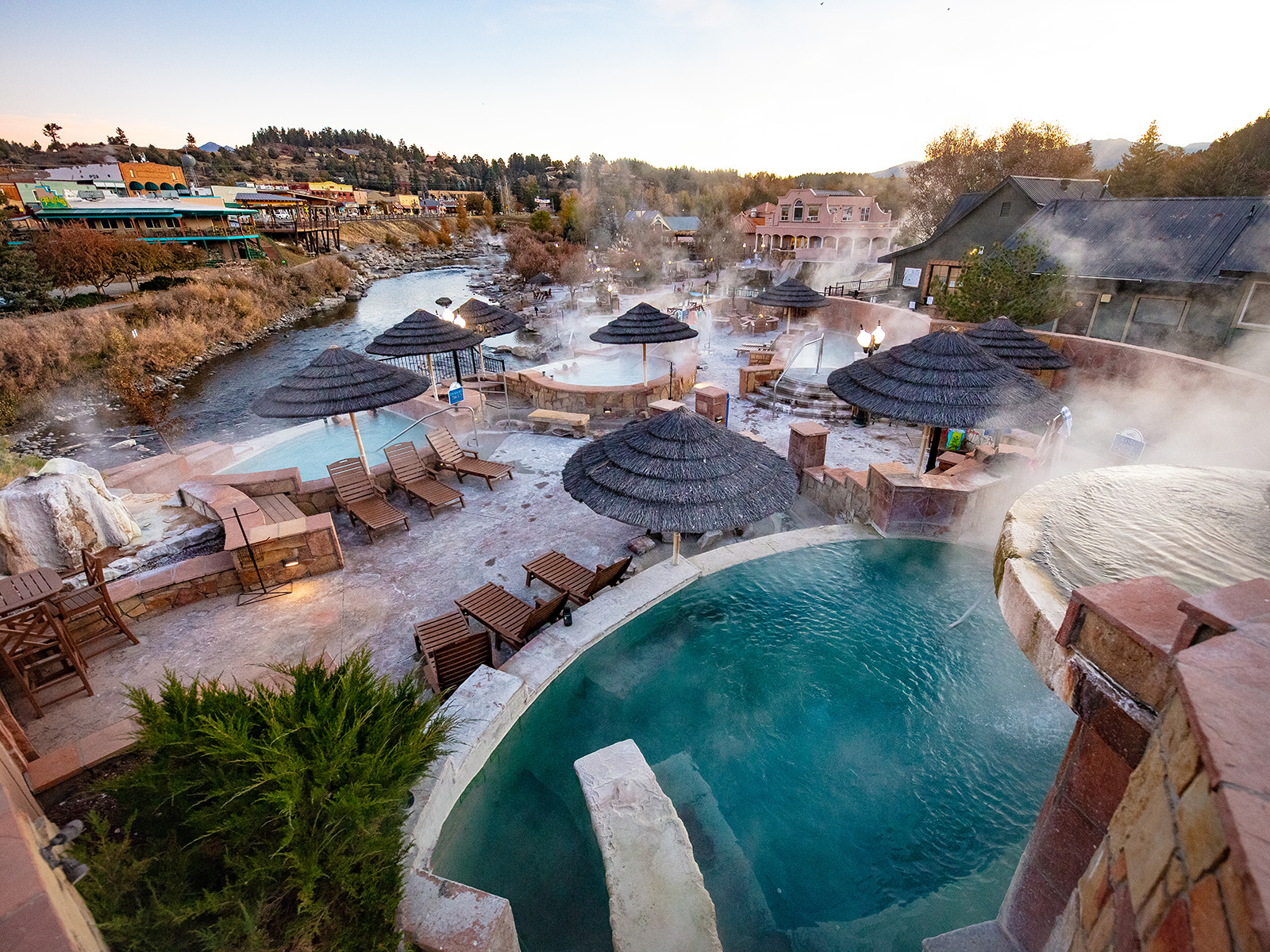
Moving westward, Three Forks Ranch offers a luxury ranch experience with a focus on wellness and outdoor adventure. Eleven Life provides curated wellness journeys tailored to individual needs. The Springs Resort in Pagosa Springs is famous for its 26 mineral hot springs pools, offering a truly immersive experience. Joyful Journey Hot Springs Spa near Moffat offers a more rustic and natural hot springs experience.
Up in the mountains, Winter Park boasts a diverse range of spa and wellness options, including massage therapy, acupuncture, and neuromuscular therapy, indicating a strong regional infrastructure for winter wellness tourism. While Aspen and Vail are known for their high-end resorts, there are also smaller, more intimate spas and wellness centers scattered throughout the area. It really depends on what you’re looking for—and what your budget allows.
Budget-Friendly Bliss: Affordable Wellness Options in Colorado
Wellness doesn’t have to break the bank. Many massage schools offer discounted services performed by students under the supervision of qualified instructors. This is a great way to experience a massage at a fraction of the cost. Look for schools in your area and check their websites for current promotions. Another option is to visit a day spa during off-peak hours or take advantage of weekday specials.
DIY wellness practices can also be incredibly effective. Creating a relaxing atmosphere at home – dimming the lights, lighting candles, playing calming music – can do wonders for your stress levels. A warm bath with Epsom salts is a simple and affordable way to soothe sore muscles. Practicing mindfulness and meditation can also be done anywhere, anytime, without any special equipment.
Websites like Groupon and LivingSocial often feature deals on spa treatments and wellness services. It’s worth checking these sites regularly to see if there are any discounts available in your area. Don’t be afraid to ask about package deals or loyalty programs either. Many spas offer discounts for repeat customers.
What to Pack for Your Colorado Winter Wellness Retreat
Packing for a Colorado winter retreat requires a bit of planning. Comfortable layers are essential – think thermal underwear, fleece jackets, and a waterproof outer layer. Don’t forget a warm hat, gloves, and scarf. Swimwear is a must, even if you’re not planning on swimming every day, as many retreats feature hot springs or pools.
Skincare is also important, as the dry winter air can be harsh on your skin. Pack a moisturizer, lip balm, and sunscreen. Comfortable walking shoes are a must, especially if you plan on doing any hiking or exploring. It’s also a good idea to bring a book, journal, or other items to help you relax and unwind. I always bring a good pair of slippers for lounging around the spa.
What not to bring? I'd advise leaving excessive technology at home. While it’s tempting to bring your laptop and phone, they can detract from the relaxing experience. Try to disconnect and fully immerse yourself in the present moment. Also, avoid bringing anything that might trigger stress or anxiety.
- Warm layers: Thermal underwear, fleece, waterproof jacket
- Swimwear: For hot springs and pools
- Skincare: Moisturizer, lip balm, sunscreen
- Comfortable shoes: For walking and exploring
- Relaxation items: Book, journal, slippers
Colorado Winter Wellness Packing List
- Base Layers - Moisture-wicking thermal underwear (tops & bottoms). Crucial for layering!
- Warm Outerwear - Waterproof and windproof jacket and pants. Colorado winters are unpredictable.
- Cozy Socks - Several pairs of thick, wool or synthetic blend socks. Essential for warmth and spa comfort.
- Hydrating Skincare - Rich moisturizer, lip balm with SPF, and hand cream. Dry winter air can be harsh.
- Sun Protection - Sunglasses and sunscreen (SPF 30+). High altitude sun is strong, even on cloudy days.
- Comfortable Loungewear - Robe, slippers, and comfortable clothing for relaxing at the spa or retreat. Consider bringing your own!
- Tech Essentials - Phone, charger, and portable power bank. Download audiobooks or podcasts for downtime.
- Wellness Aids - Reusable water bottle, essential oils (if permitted by the retreat), and any personal meditation tools.
Hot Springs Etiquette: A Guide to Respectful Soaking
Hot springs are a cherished part of the Colorado experience, and it’s important to treat them with respect. Always shower before entering the pool to remove any lotions, oils, or dirt. Avoid excessive splashing or horseplay, as this can disturb other soakers. Be mindful of the temperature and avoid staying in the hottest pools for extended periods of time.
Staying hydrated is crucial, as hot springs can cause dehydration. Drink plenty of water before, during, and after your soak. Be aware of your surroundings and avoid blocking access to the pool or other amenities. It's also important to be respectful of the natural environment and avoid leaving any trash behind.
Above all, be considerate of others. Hot springs are a place for relaxation and rejuvenation, so try to create a peaceful and enjoyable experience for everyone. Following these simple guidelines will help ensure that these natural resources remain pristine for generations to come.
No comments yet. Be the first to share your thoughts!