

Verify your therapist's license first
Before you book a massage at a Colorado spa or wellness center, treat the therapist’s license as your primary safety check. In a state with a high volume of wellness tourism, the Colorado Division of Professions and Occupations (DPO) maintains a public database that confirms every practitioner’s legal standing. Skipping this step is the easiest way to accidentally book an unlicensed provider.
The verification process is straightforward and takes less than two minutes. You do not need to ask the spa staff; they are not required to display physical copies of licenses at the front desk. Instead, use the official DPO online lookup tool to ensure the person massaging you is legally authorized to practice in Colorado.
Navigate to the Colorado Division of Professions and Occupations website. Look for the "License Lookup" or "Verify a License" link in the main navigation bar. This is the only official source for checking active professional credentials in the state.
Type the exact first and last name of the massage therapist you intend to see. Spelling matters. If you only have a nickname or a business name, ask the spa for the therapist’s full legal name before searching.
Check the search results for the "License Status" column. It must say "Active." Avoid therapists with statuses like "Inactive," "Expired," or "Suspended." An active status confirms they are currently compliant with state continuing education and fee requirements.
Ensure the license type matches "Massage Therapist." Colorado has different license categories for different types of bodywork. A license for "Recreational Massage" or other non-therapeutic categories may not carry the same liability insurance or training standards as a therapeutic license.
This verification protects you from liability issues and ensures you are receiving care from someone who has passed the required Federation of State Massage Therapy Boards examination. If the lookup returns no results, do not proceed with the booking. Contact the spa directly to clarify, or choose a different provider with a verifiable track record.
Choose your massage modality
Matching the right technique to your specific needs is the first step toward a safe and effective session. Colorado’s licensed therapists are trained in a variety of modalities, but picking the wrong one can lead to unnecessary soreness or a session that misses the mark entirely. Whether you are recovering from a hike on the Rockies or seeking relief from chronic tension, understanding the differences between Swedish, Deep Tissue, and Sports massage helps you book with confidence.
The table below breaks down the three most common modalities available in Colorado spas and clinics. Use this to identify which pressure level and focus align with your current physical state.
Swedish massage remains the standard for relaxation. It uses long, gliding strokes, kneading, and circular movements on superficial layers of muscle. This is the ideal choice if you have never had a massage before or if your primary goal is to lower cortisol levels after a stressful week. Most Colorado spas offer this as their baseline service because it appeals to the widest audience.
Deep tissue massage targets the deeper layers of muscle and connective tissue. The therapist uses slow strokes and deep finger pressure to release chronic patterns of tension. While effective for persistent pain, it can be uncomfortable during the session. You should expect some soreness for 24-48 hours afterward, similar to the feeling after a hard workout. Always communicate with your therapist if the pressure becomes too intense; "no pain, no gain" does not apply to therapeutic massage.
Sports massage is designed for people who participate in physical activity. It combines techniques from Swedish and deep tissue massage, often focusing on areas of the body that are overused and strained. Many Colorado therapists specialize in this modality due to the state's active lifestyle, offering services tailored to hikers, skiers, and cyclists. It can be used for maintenance, injury rehabilitation, or to prevent future injuries.
Book at a reputable Colorado spa
Choosing the right spa in Denver, Aspen, or Boulder requires looking past the website’s marketing photos. You need to verify that the facility meets strict hygiene standards and that the therapists hold current, verifiable credentials. A reputable establishment will be transparent about its staff’s licensing and its cleaning protocols.
Check the therapist’s license
Colorado requires all massage therapists to be licensed by the Department of Regulatory Agencies (DRA). Before booking, ask the spa for the therapist’s license number. You can verify this number on the DRA website to ensure the license is active and in good standing. If a spa is reluctant to provide this information, treat it as a red flag. Therapists in Boulder and Denver are proud of their credentials and will usually display them prominently or provide them upon request.
Inspect the treatment room
Ambiance matters, but hygiene is non-negotiable. When you arrive, look for signs of rigorous cleaning. Sheets should be changed between every client, and surfaces like massage tables and chairs should be disinfected. In high-end spas in Aspen, you might see individual disposable face cradle covers or sealed linens. If the room feels cluttered, smells strongly of cleaning chemicals rather than fresh air, or has visible dust, leave. A clean environment is the baseline for a safe therapeutic experience.
Verify therapist expertise
Not all massages are the same. Ask specifically about the therapist’s training and experience with your particular needs, whether it’s deep tissue, sports recovery, or prenatal care. Reputable spas in Colorado Springs and Denver often list their therapists’ specific certifications and years of experience on their staff pages. Look for spas that employ therapists with advanced training, such as those certified by the Federation of State Massage Therapy Boards or those with specialized orthopedic backgrounds.
Read recent reviews
Online reviews offer a window into the day-to-day operations of a spa. Focus on recent reviews (within the last six months) that mention specific therapists or cleanliness. Patterns in feedback are telling: if multiple reviewers mention a therapist being late, a room feeling cold, or a front desk that is unhelpful, take note. Sites like Yelp and Google Reviews are useful, but always cross-reference with the spa’s own website to ensure the testimonials are genuine.
Ask the spa for the therapist’s DRA license number and verify it on the official state registry before your appointment.
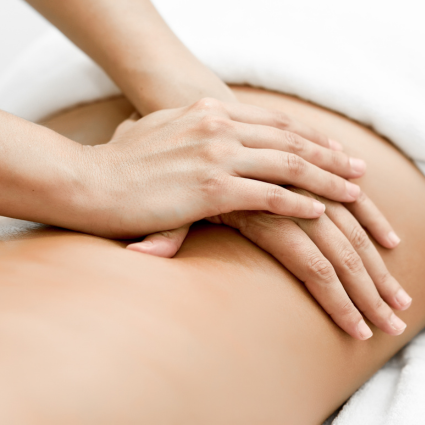
Look for fresh linens, disinfected surfaces, and a clean, odor-free environment. Do not hesitate to ask about their cleaning protocol.
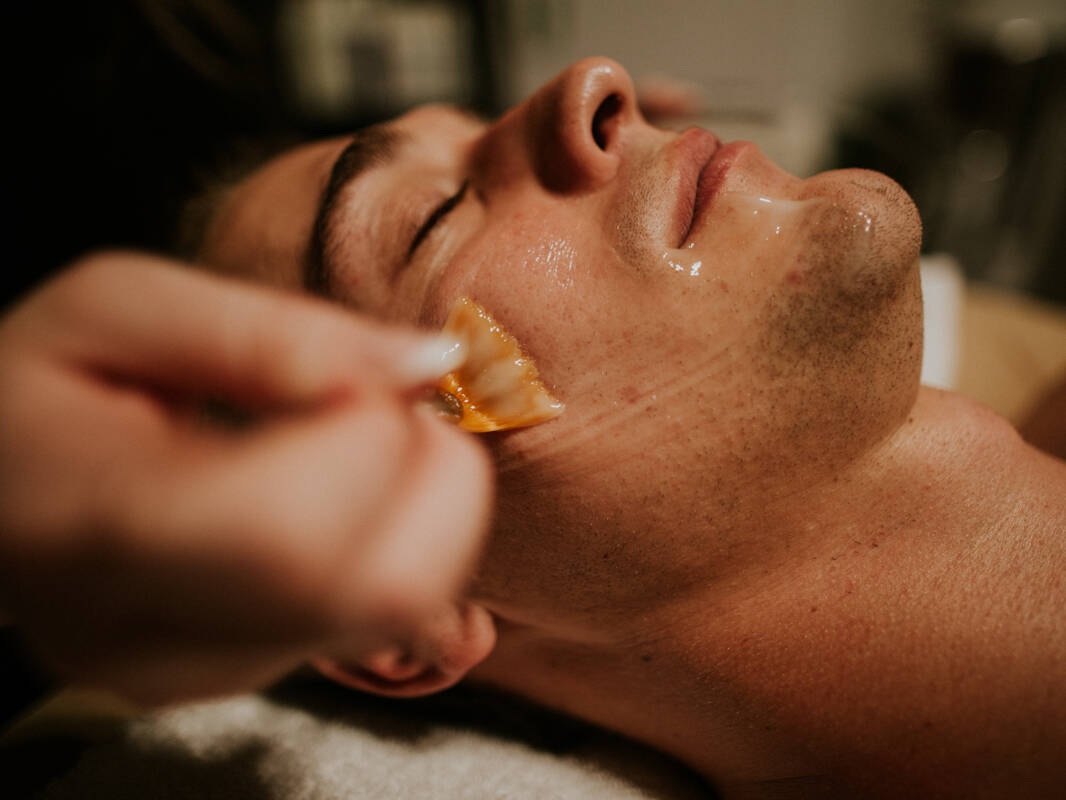
Ensure the therapist has specific training for your needs, such as sports massage or prenatal care, rather than just a general license.
Read recent reviews on Google or Yelp for consistent feedback on cleanliness, punctuality, and therapist professionalism.
Prepare for your first session
Before you arrive at a Colorado spa or clinic, aligning your body and expectations with the therapist’s methods ensures a safe, effective experience. Preparation is not just about comfort; it is about establishing clear boundaries and physiological readiness for therapeutic work.
What to wear and eat
Comfort is the primary driver for attire. Wear loose-fitting clothing that is easy to remove and put back on. Many Colorado spas offer private changing areas with robes and towels, but you do not need to arrive dressed for a workout. Avoid tight waistbands or restrictive fabrics that might leave marks on your skin before the session begins.
Regarding food, avoid heavy meals within two hours of your appointment. A large lunch can cause discomfort when you are lying face down on a massage table. Instead, eat a light snack and prioritize hydration. Drinking water before and after your session helps flush metabolic waste released during the massage, reducing the likelihood of post-session soreness.
Communicating your needs
Clear communication is the most critical step in ensuring a beneficial massage. Therapists are trained to adjust pressure and technique based on your feedback, but they cannot read your mind. Be specific about your goals: are you seeking relief for a specific injury, stress reduction, or general relaxation?
Disclose any medical conditions, recent surgeries, or areas of acute pain before the therapist begins. For example, if you have a history of lower back issues or are pregnant, mention this immediately. Therapists in Colorado adhere to strict safety protocols, and upfront disclosure allows them to modify techniques to avoid aggravating existing conditions.
Pre-appointment checklist
Use this checklist to ensure you are ready for your appointment:
FAQ: Verify Credentials and Book Safely
Use these answers to cut through booking friction and confirm your therapist meets state standards.
No comments yet. Be the first to share your thoughts!