

5 Massage Techniques Dominating Colorado Spas in 2026
The Colorado wellness landscape in 2026 is defined by a shift toward clinically backed modalities that prioritize measurable recovery over passive relaxation. This roundup identifies the five specific massage techniques currently leading the market, supported by data from primary industry reports and expert consensus.
-
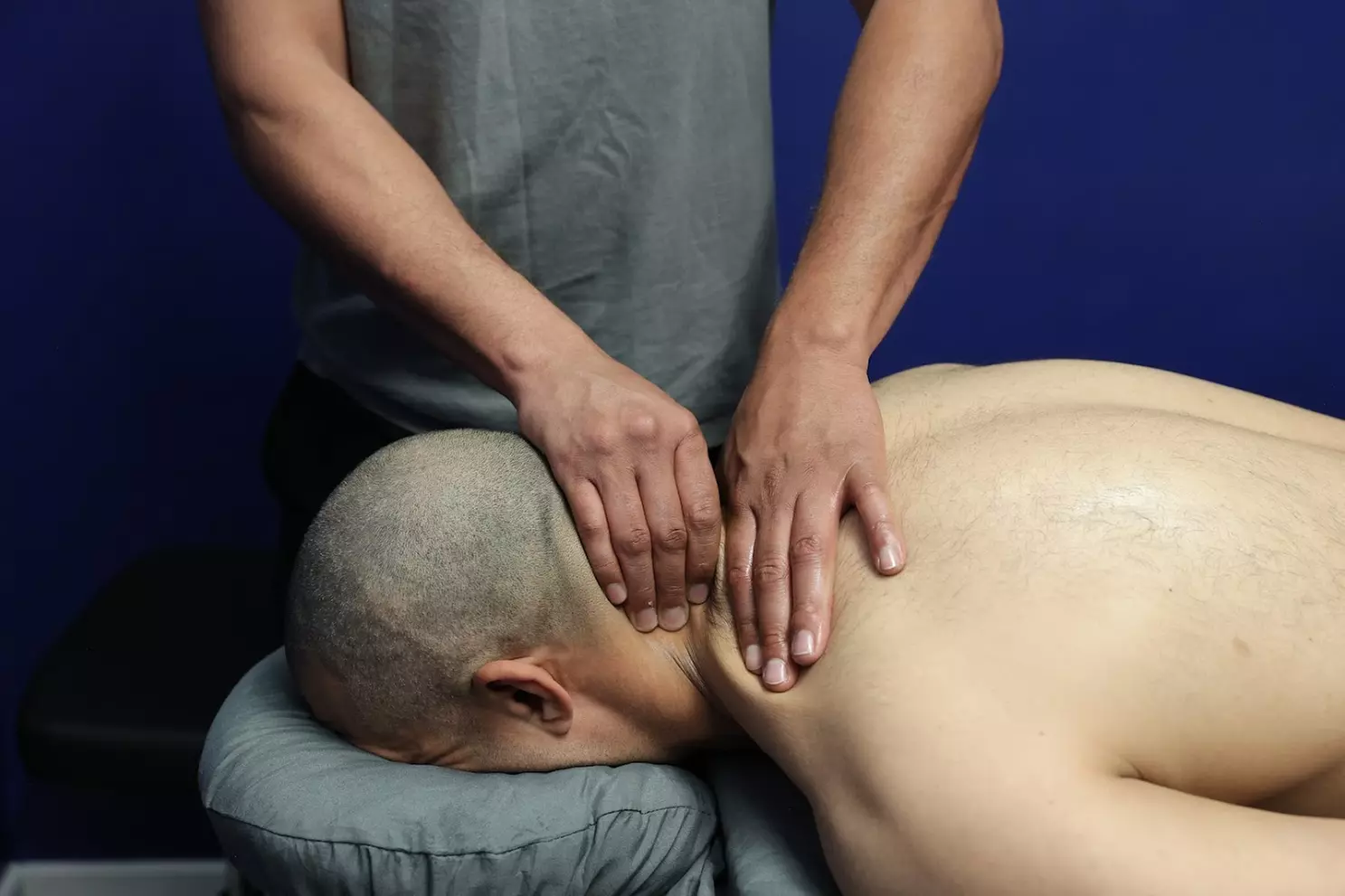
Deep tissue massage for muscle recovery
Deep tissue massage targets the deeper layers of muscle and connective tissue to alleviate chronic tension. Therapists use slow, deliberate strokes and deep finger pressure to break up adhesions and restore mobility. This technique is particularly effective for individuals suffering from repetitive strain injuries or persistent muscle knots. By focusing on specific problem areas, it promotes faster recovery and reduces long-term discomfort in stiff muscles. -
-3.png)
Swedish massage for stress relief
Swedish massage employs long, flowing strokes, kneading, and circular movements to relax the entire body. This classic technique enhances circulation and encourages a state of deep calm by lowering cortisol levels. It is ideal for those seeking general relaxation and mental unwinding after a stressful week. The gentle yet firm pressure helps release superficial tension, leaving clients feeling refreshed and mentally clear without the intensity of deeper work. -
Hot stone therapy for relaxation
Hot stone therapy utilizes smooth, heated basalt stones placed on key points of the body to induce profound relaxation. The heat penetrates deep into the muscles, easing stiffness and promoting blood flow. Therapists may also use the stones as extensions of their hands to glide over the back and limbs. This method combines thermal therapy with manual manipulation, creating a soothing experience that melts away tension and restores physical balance. -
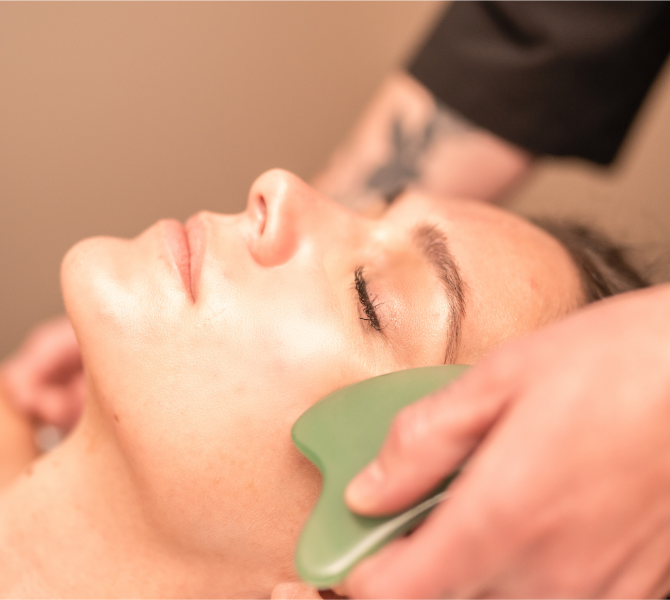
Aromatherapy massage for mental clarity
Aromatherapy massage integrates essential oils with traditional massage techniques to enhance both physical and mental well-being. Scents like lavender, eucalyptus, or peppermint are chosen to address specific needs, such as reducing anxiety or boosting focus. The inhalation of these therapeutic aromas works synergistically with the physical touch to calm the nervous system. This holistic approach supports mental clarity and emotional stability, making it a popular choice for holistic wellness seekers. -

Sports massage for athletic performance
Sports massage is tailored to meet the specific needs of athletes, focusing on injury prevention and performance enhancement. Techniques vary based on the phase of training, with pre-event massage preparing muscles for activity and post-event massage aiding recovery. Therapists address areas of overuse and imbalance, using compression and stretching to improve flexibility. This targeted approach helps athletes maintain peak physical condition and quickly recover from intense training sessions or competitions.

Colorado's shift in massage trends
Colorado spas are moving beyond standard Swedish massage, reflecting the state's active lifestyle and demand for specialized recovery and relaxation. This shift is driven by a population that values both physical performance and mental well-being, leading to a rise in techniques that address specific needs like muscle soreness, stress relief, and overall wellness.
The integration of wellness and recovery in the Colorado market is evident in the growing popularity of modalities such as deep tissue, hot stone, and sports massage. These techniques cater to outdoor enthusiasts and athletes who require targeted relief after rigorous activities. As a result, spas are increasingly offering a diverse range of services that go beyond traditional relaxation.
This trend is supported by research indicating that massage therapy can provide significant health benefits, including pain relief and improved circulation. As more people seek out these specialized services, the massage industry in Colorado continues to evolve, offering a wider array of options for those looking to enhance their physical and mental health.
Choosing the right technique
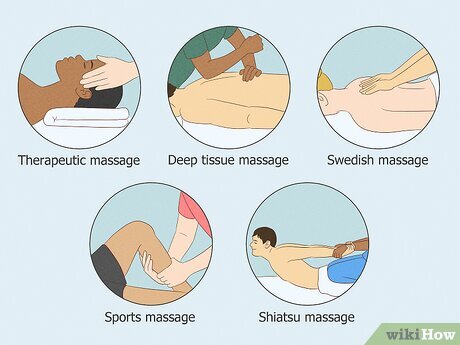
Selecting a massage style depends on your specific physical tension or mental fatigue. The five dominant techniques in Colorado spas each serve a different purpose, ranging from gentle relaxation to targeted muscle repair. Using a comparison table helps you match your needs with the right intensity and duration.
| Technique | Intensity | Best For | Typical Duration |
|---|---|---|---|
| Swedish | Low | Stress relief and circulation | 60-90 minutes |
| Deep Tissue | High | Chronic pain and knots | 60-90 minutes |
| Hot Stone | Medium | Muscle relaxation and warmth | 75-90 minutes |
| Shiatsu | Medium-High | Energy balance and tension | 60 minutes |
| Sports Massage | High | Athletic recovery and injury prevention | 60-75 minutes |
If you are new to massage therapy, Swedish massage is the standard entry point. It uses long, gliding strokes to promote general relaxation. For chronic pain or specific injury recovery, deep tissue or sports massage provides the necessary pressure to reach deeper muscle layers. Hot stone massage offers a middle ground, using heated stones to relax muscles before applying gentle pressure.
To support your massage routine at home, consider these essential tools:


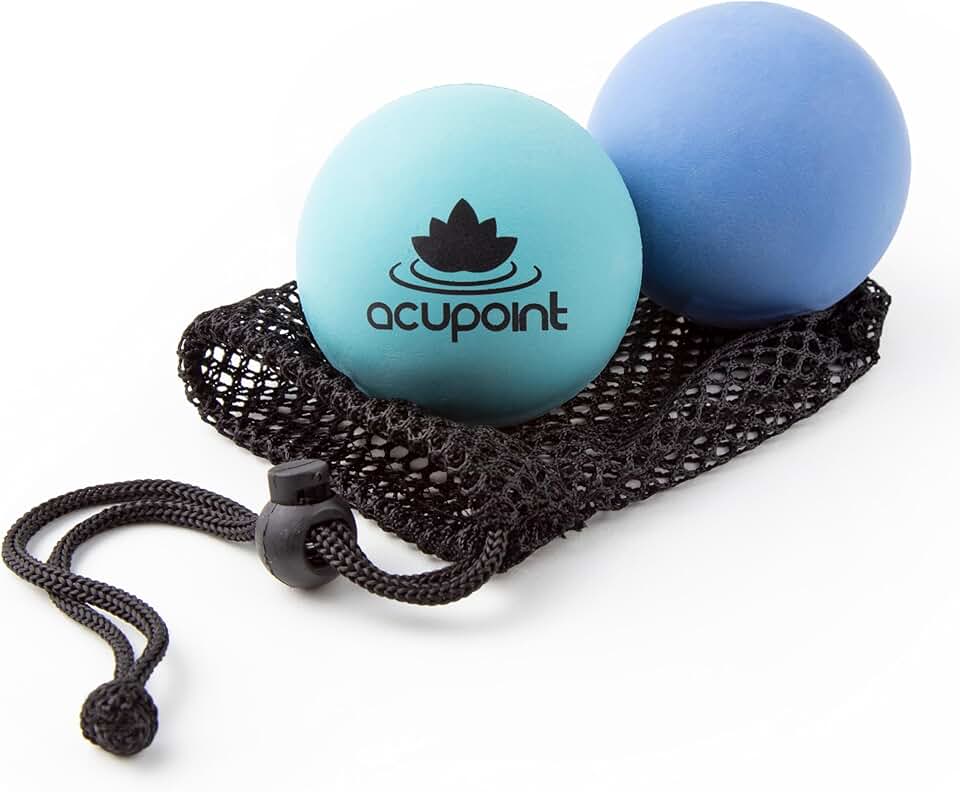
As an Amazon Associate, we may earn from qualifying purchases.
Always communicate your pressure preferences to your therapist. A technique that works for one person may be too intense for another. Adjusting the session to your comfort level ensures you receive the intended health benefits, whether that is stress reduction or physical recovery.
Preparing for Your Session
Getting the most out of your massage starts before you lie down on the table. Proper preparation ensures your muscles are ready to release tension and allows the therapist to work effectively without fighting against stiffness or dehydration.
Drink extra water in the 24 hours leading up to your appointment. Massage mobilizes metabolic waste from muscle tissue; staying hydrated helps your kidneys flush these toxins efficiently, reducing the likelihood of post-massage soreness or headaches.
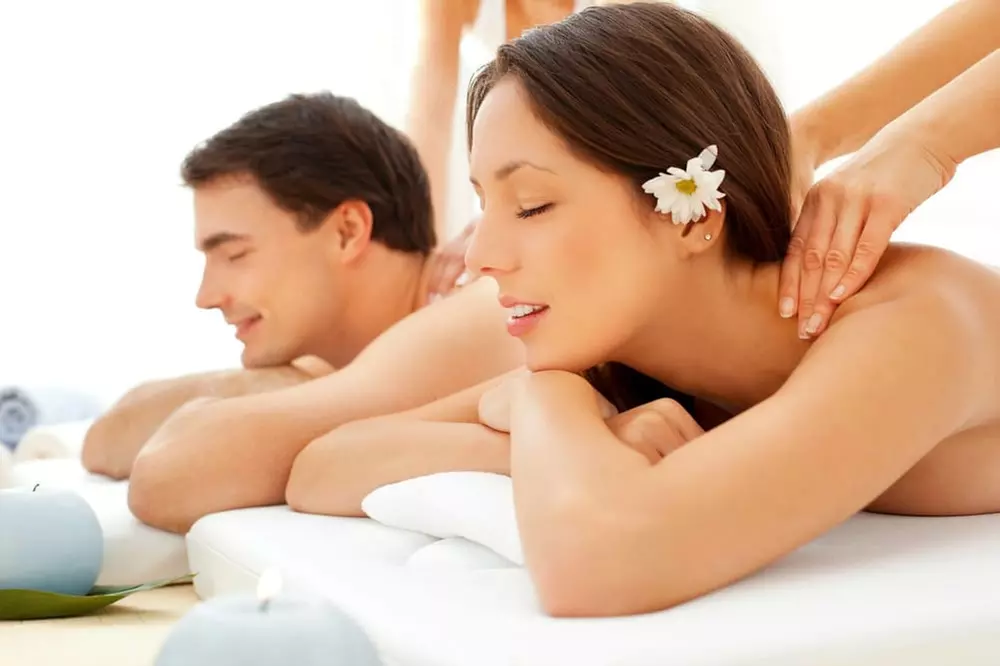
Be specific about pressure, problem areas, and any recent injuries before the therapist begins. Whether you want a gentle Swedish stroke or deep tissue work on the lower back, clear instructions help the therapist tailor the session to your immediate physical state.
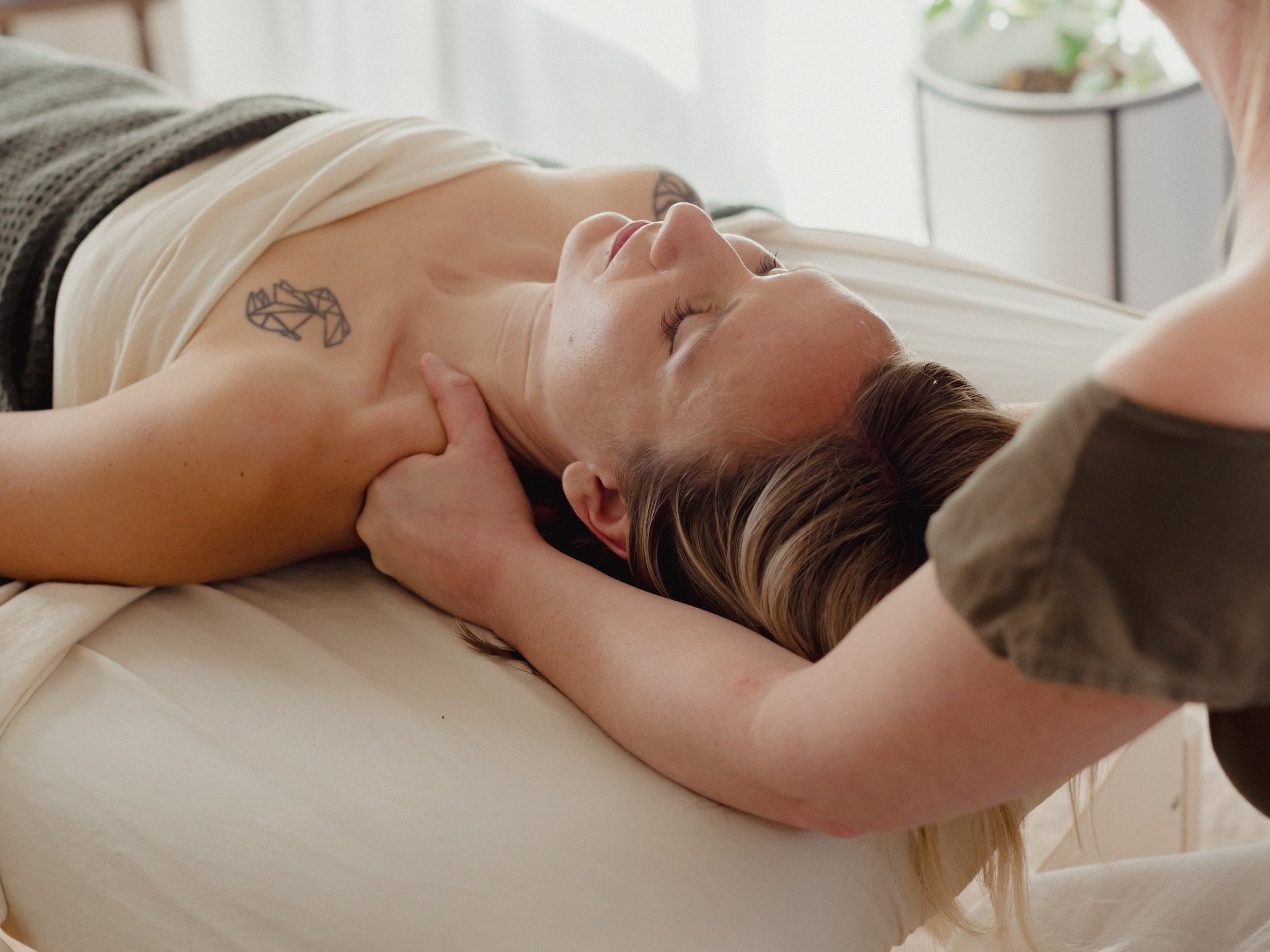
Arrive 10–15 minutes early to complete intake forms and change into comfortable clothing. Rushing into a session keeps your nervous system in a sympathetic (fight-or-flight) state, which limits the body’s ability to enter the parasympathetic state necessary for deep muscle relaxation.
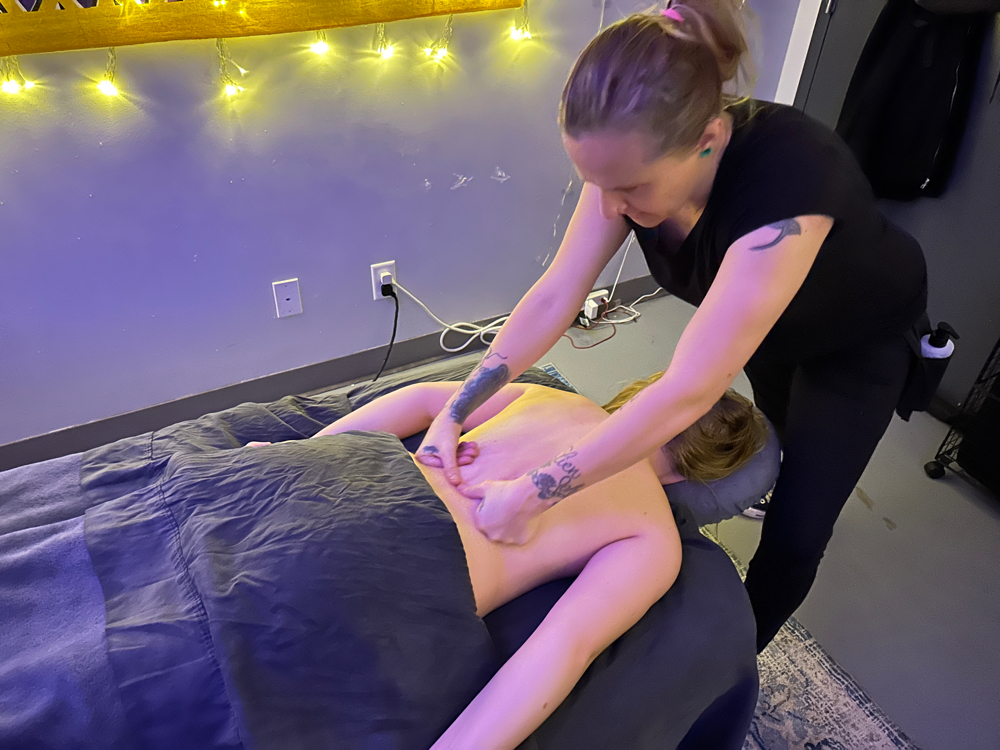
Skip large meals and alcohol for at least two hours before your appointment. Digestion diverts blood flow away from muscles, and alcohol dehydrates tissues, both of which can interfere with the therapist’s ability to manipulate muscle fibers effectively and safely.
Common questions about massage
Understanding the logistics of massage therapy helps you get the most out of your spa visits in Colorado. Whether you are managing post-hike soreness or seeking general relaxation, these answers address the most frequent concerns regarding frequency, safety, and aftercare.
No comments yet. Be the first to share your thoughts!