

Colorado's high-altitude spa scene
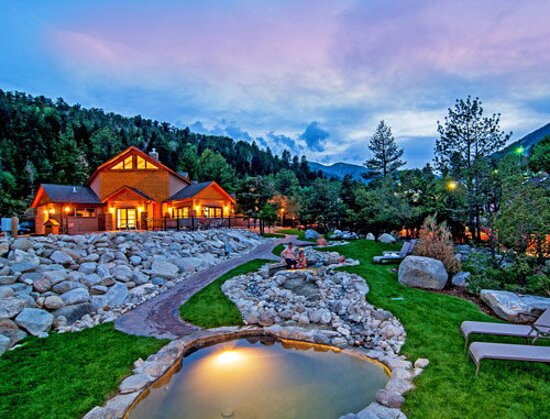
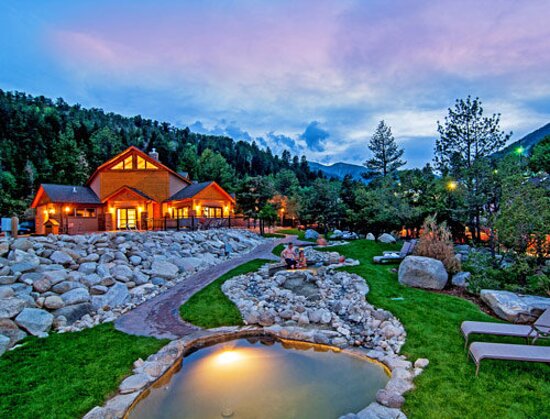
Colorado is known for its natural beauty and outdoor adventures. Now, its mountain spas are gaining attention, offering a genuine embrace of wellness tourism. These spas combine rejuvenation with the state's stunning landscapes.
The appeal is straightforward. After a day on the slopes, a challenging hike, or even just navigating the adjustments of altitude, visitors crave restoration. The demand for spa services has been steadily increasing, with Summit County reporting a significant uptick in wellness-focused travelers. It’s a trend that benefits not only the resorts themselves but also the local economies.
The high altitude presents unique considerations for spa treatments. Thinner air and increased dryness can affect how products are absorbed and how the body responds to therapies. A skilled therapist will tailor treatments to account for these factors, focusing on hydration and circulation. This requires a mindful and customized approach.
Colorado’s mountain spas aren’t just about escaping to the mountains; they’re about connecting with them. Many facilities incorporate natural elements into their design and treatments, creating a sense of harmony and grounding. This focus on holistic well-being is what sets Colorado apart.
Altitude and wellness: The science
At higher elevations, the air pressure decreases, meaning there’s less oxygen available with each breath. This triggers a physiological response: your body starts producing more red blood cells to compensate, a process called erythropoiesis. While this increases oxygen-carrying capacity over time, it can initially lead to symptoms like fatigue, headache, and shortness of breath. Dehydration is also a common concern, as the air is drier and respiration rates increase.
So, how does this impact spa treatments? Increased circulation, a natural consequence of the body adapting to altitude, could potentially enhance the benefits of massage by delivering more oxygen and nutrients to muscles. However, it also means more attention needs to be paid to lymphatic drainage. The increased metabolic rate can also mean that the body processes products more quickly, potentially requiring longer treatment times or stronger formulations.
Dehydration is a significant factor. Facials, in particular, require careful attention to hydration protocols. Therapists often recommend pre-treatment hydration and the use of intensely moisturizing products. It's also crucial to avoid treatments that could further dehydrate the skin, like certain types of peels, without adequate preparation. A cautious approach is always best when selecting treatments.
There's a growing area of research into the effects of altitude on skin aging. Some studies suggest that chronic exposure to high altitude can accelerate collagen breakdown due to increased UV radiation and oxidative stress. Sun protection and antioxidant-rich skincare routines are important for those living or spending extended periods at elevation.
Physiological Effects of Altitude & Interaction with Spa Treatments
| Effect of Altitude | Treatment | Potential Enhancement | Potential Complication | Mitigation Strategy |
|---|---|---|---|---|
| Lower Oxygen Levels | Massage | Enhanced circulation may help oxygen delivery to tissues. | Individuals with pre-existing respiratory conditions may experience discomfort. | Shorter treatment times; focus on gentle techniques; ensure client hydration. |
| Increased Heart Rate | Hydrotherapy (Hot Tubs/Saunas) | Warmth can promote vasodilation, potentially aiding circulation, but needs careful monitoring. | Further elevation of heart rate could exacerbate altitude-related stress on the cardiovascular system. | Limit session duration; lower water/air temperature; avoid if client has heart conditions. |
| Dehydration | Facial | Hydrating facial treatments can replenish moisture lost due to altitude and dry air. | Certain facial ingredients could further dehydrate skin if not carefully selected. | Emphasize hydrating products; offer electrolyte-rich beverages before/after treatment. |
| Increased Respiration Rate | Body Wrap | Deep breathing exercises incorporated into a wrap can be beneficial, but should be guided. | Claustrophobia or anxiety may be heightened with restricted movement during a wrap. | Ensure client comfort and ability to communicate; offer open-air wrap options. |
| Skin Dryness | Massage (with oils) | Massage with nourishing oils can counteract skin dryness caused by low humidity. | Some oils may clog pores or cause irritation in already sensitive, altitude-affected skin. | Use hypoallergenic, non-comedogenic oils; perform patch test if needed. |
| Potential for Sunburn (higher UV exposure) | Facial/Body Wrap | Post-treatment skincare can focus on soothing and repairing sun-damaged skin. | Exfoliation post-sunburn can cause further irritation. | Avoid aggressive exfoliation; prioritize soothing and hydrating ingredients. |
| Altered Circulation | Hydrotherapy (Contrast Therapy) | Alternating hot and cold applications may improve circulation, but requires careful monitoring. | Rapid changes in temperature may be poorly tolerated by individuals unacclimatized to altitude. | Start with milder temperature differences; closely monitor client response. |
Illustrative comparison based on the article research brief. Verify current pricing, limits, and product details in the official docs before relying on it.
Luxury escapes in Vail and Beaver Creek
Vail and Beaver Creek consistently rank among the top ski destinations in North America, and their spa offerings are equally impressive. The RockResorts Spa at Vail is a standout, boasting over 18,000 square feet of space dedicated to relaxation and rejuvenation. They offer a comprehensive menu of treatments, from classic massages and facials to more specialized therapies like altitude adjustment treatments.
Signature treatments at RockResorts Spa include the Mountain Majesty Massage, designed to soothe sore muscles after a day on the slopes, and the Wildflower Facial, utilizing locally sourced botanicals. They also have a dedicated oxygen lounge, designed to help guests acclimate to the altitude. It’s a pricey experience, with massages starting around $250, but the setting and expertise justify the cost for many.
Just a short drive away, the Allegria Spa at Beaver Creek provides a more intimate and boutique experience. This spa focuses on holistic wellness, offering treatments that integrate mind, body, and spirit. They are known for their customized facial treatments and body wraps. According to vail.com, they emphasize a personalized approach to ensure each guest receives the optimal experience.
Allegria also offers unique amenities like a Himalayan salt room and a relaxation lounge with stunning mountain views. They’ve recently introduced a 'Skiers’ Recovery Ritual,' a combination of massage, compression therapy, and hydration designed to alleviate muscle soreness and speed up recovery. Both spas excel at providing a luxurious and restorative experience tailored to the mountain lifestyle.
Summit County's hot springs and healing
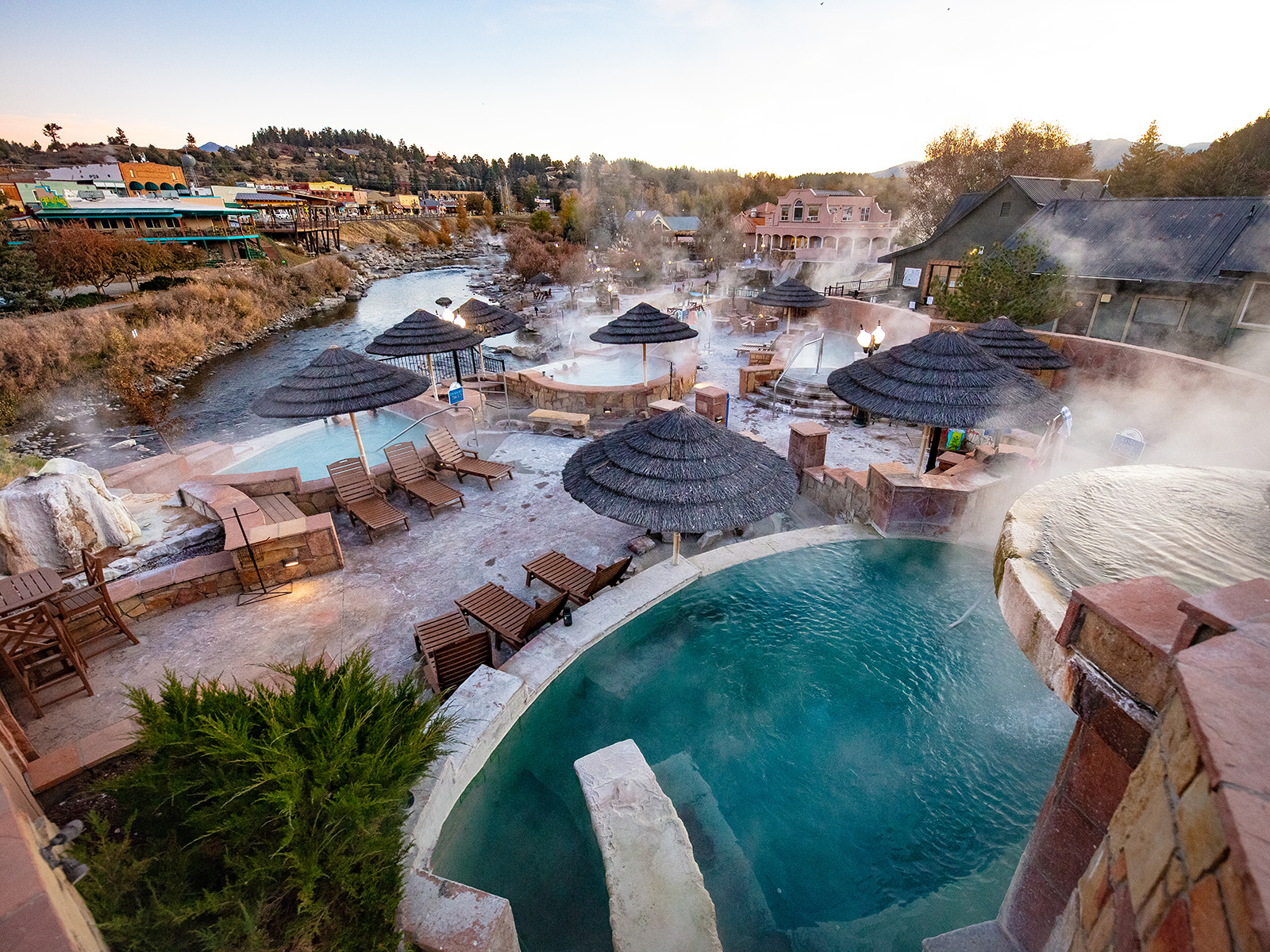
Summit County, home to Breckenridge, Dillon, and Frisco, has a rich history tied to natural hot springs. Long before it was a ski destination, the area was a gathering place for Ute Native Americans who utilized the springs for their therapeutic properties. Today, that tradition continues, with several spas incorporating these natural resources into their offerings.
The St. Anthony’s Hospital Wellness Center in Frisco is a notable example. While primarily a medical facility, they offer a range of wellness services, including massage, acupuncture, and access to geothermal soaking pools. This provides a unique blend of medical expertise and holistic healing. The pools are naturally heated, offering relief from muscle tension and stress.
Beyond St. Anthony’s, several smaller spas throughout Summit County offer hot stone massages and other treatments that utilize the warmth of heated stones. These treatments are particularly beneficial in the winter months, helping to soothe cold muscles and improve circulation. The connection to the land feels especially strong here.
The historical and cultural significance of hot springs in Colorado is undeniable. They were not just places for physical healing but also for social gatherings and spiritual renewal. Today, experiencing a hot spring is a way to connect with that history and appreciate the natural beauty of the Colorado mountains. SummitCountyCO.gov offers information on local history and recreation opportunities.
Unique treatments beyond the basics
Colorado mountain resorts are pushing the boundaries of spa innovation, offering treatments you won’t find anywhere else. Oxygen facials are gaining popularity, utilizing pressurized oxygen to deliver hydration and nutrients deep into the skin. The theory is that this can boost collagen production and improve skin tone, and the increased oxygen levels can be particularly beneficial at higher altitudes.
Altitude acclimation therapies are also emerging, often involving a combination of hydration, oxygen therapy, and specialized massage techniques designed to help the body adjust to the lower oxygen levels. These treatments are becoming increasingly popular with visitors who are new to the mountains.
Several spas are incorporating local botanicals into their treatments. The use of Colorado blue spruce, juniper, and other native plants in aromatherapy blends and body scrubs is becoming more common. These ingredients not only smell wonderful but also offer potential therapeutic benefits, such as anti-inflammatory and antioxidant properties.
I recently heard about a spa in Steamboat Springs offering treatments using local volcanic clay, known for its detoxifying properties. That’s the kind of unique offering that truly sets Colorado spas apart. It’s a reflection of the state’s commitment to natural wellness and a desire to connect guests with the local environment.
DIY altitude wellness at home
You don't need a spa to experience the benefits of altitude wellness. Here are some practical tips you can incorporate into your routine, whether you’re visiting or living in the mountains. Hydration is paramount. Drink plenty of water throughout the day, even if you don’t feel thirsty. Consider adding electrolytes to your water to help replenish lost minerals.
Aromatherapy can be a powerful tool. Essential oils like peppermint and eucalyptus can help clear congestion and boost energy levels. Lavender and chamomile can promote relaxation and sleep. Create a simple aromatherapy blend by adding a few drops of essential oil to a diffuser or a warm bath.
Self-massage is another effective technique. Focus on areas that tend to get tense, such as your neck, shoulders, and feet. Use gentle circular motions to improve circulation and relieve muscle soreness. Even five minutes of self-massage can make a difference.
Deep breathing exercises can help increase oxygen levels and reduce stress. Practice diaphragmatic breathing, also known as belly breathing, by inhaling deeply into your abdomen and exhaling slowly. This can help calm your nervous system and improve your overall well-being.
Finding your mountain spa
Choosing the right spa depends on your individual needs and preferences. Consider your budget – prices can vary significantly between luxury resorts and smaller, independent spas. Think about the amenities you desire: do you want a full-service spa with a sauna, steam room, and relaxation lounge, or a more intimate setting?
What’s your treatment focus? Are you looking for deep relaxation, detoxification, sports recovery, or something else? Different spas specialize in different areas. Location is also a factor. Do you want to be close to the ski slopes, in a charming mountain town, or in a secluded setting?
Here’s a quick checklist to help you narrow down your options:
Consider these questions: Do you need altitude-specific treatments? Are natural hot springs a priority? Do you prefer a large resort or a boutique spa? What’s your budget?
- Budget: Determine how much you're willing to spend.
- Amenities: What facilities are important to you (sauna, steam room, etc.)?
- Treatment Focus: Relaxation, recovery, or something else?
- Location: Proximity to activities and desired atmosphere?
The future of Colorado mountain wellness
The future of Colorado mountain wellness looks promising. We’re seeing a growing integration of technology, with spas utilizing advanced skincare devices and personalized wellness tracking tools. Treatments are becoming increasingly customized, tailored to individual needs and genetic predispositions.
There’s also a greater focus on sustainability, with spas adopting eco-friendly practices and sourcing local ingredients. People are seeking experiences that are not only good for their well-being but also good for the planet. The trend of connecting with nature will only continue to grow.
I believe Colorado is uniquely positioned to lead this evolution. Our stunning landscapes, our commitment to outdoor recreation, and our growing wellness industry create a perfect synergy. As people increasingly prioritize holistic well-being, Colorado mountain spas will continue to be a sought-after destination for rejuvenation and renewal.
No comments yet. Be the first to share your thoughts!