
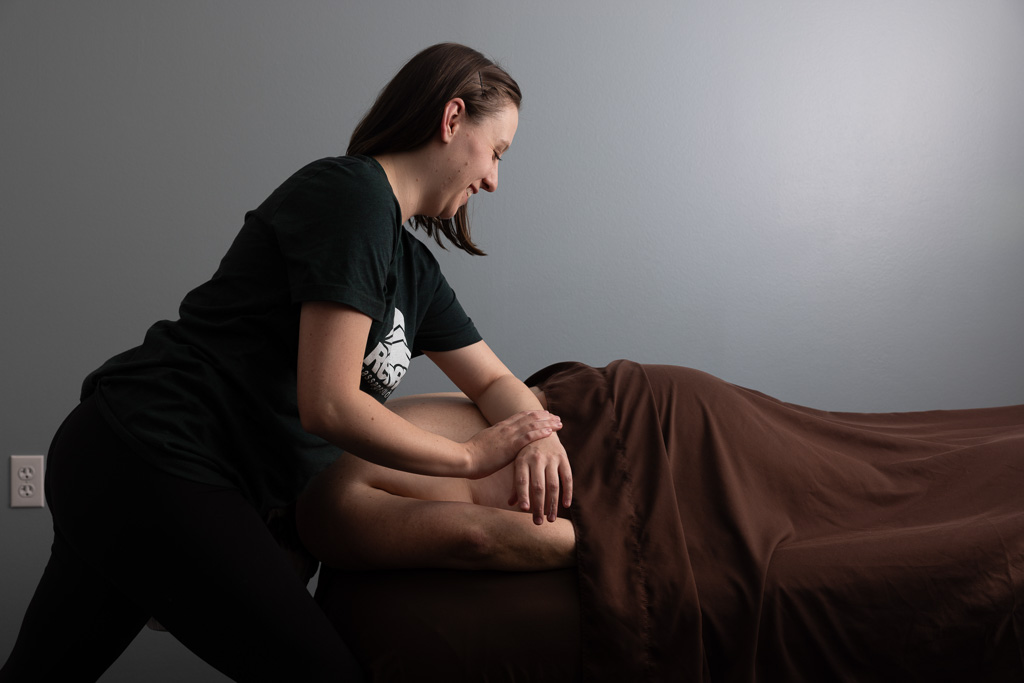

Choosing the right massage tool
Selecting the correct massage tool depends on matching the device’s mechanism to your specific recovery needs. Whether you are addressing tight quads after a hike or soothing stiff shoulders after a long workday, the goal is consistent, effective pressure without causing further irritation.
Colorado’s high altitude and dry air can contribute to muscle stiffness and dehydration, making consistent, moderate pressure often more effective than aggressive force. Tools that allow you to control intensity are particularly useful in this environment, as they prevent the over-tensioning that can occur when trying to "break through" resistance with brute strength.
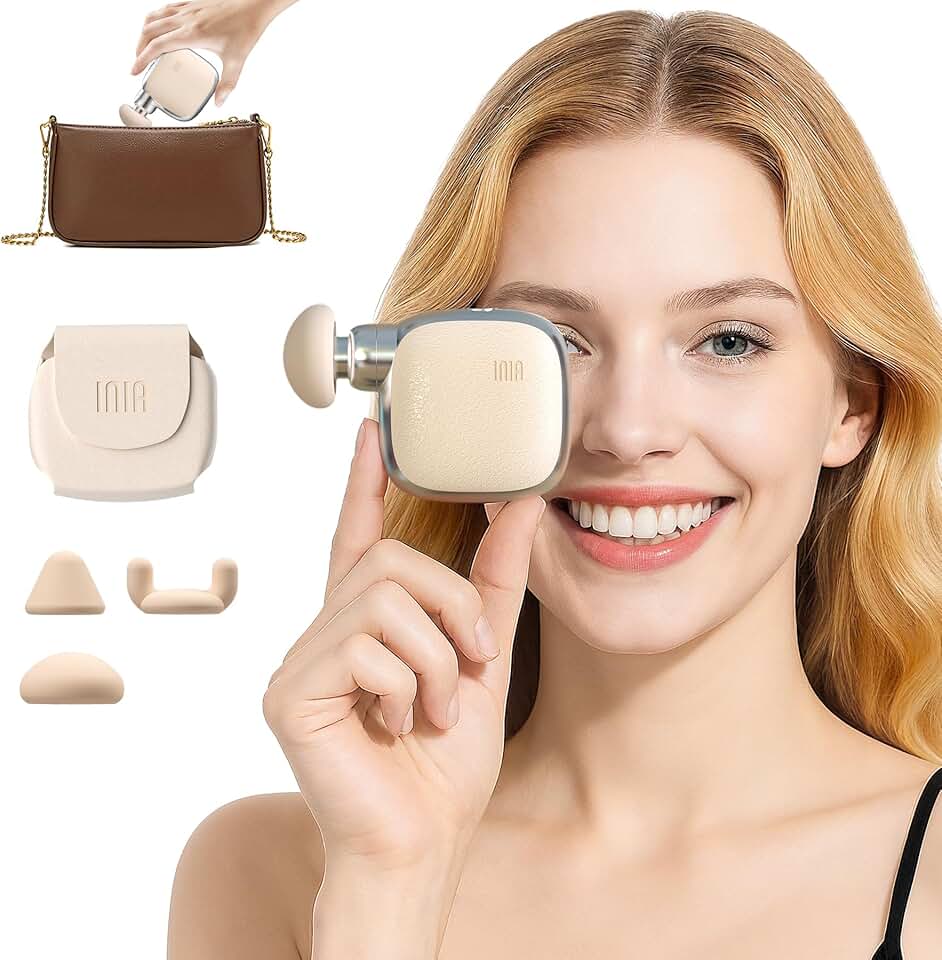
Percussion Massagers
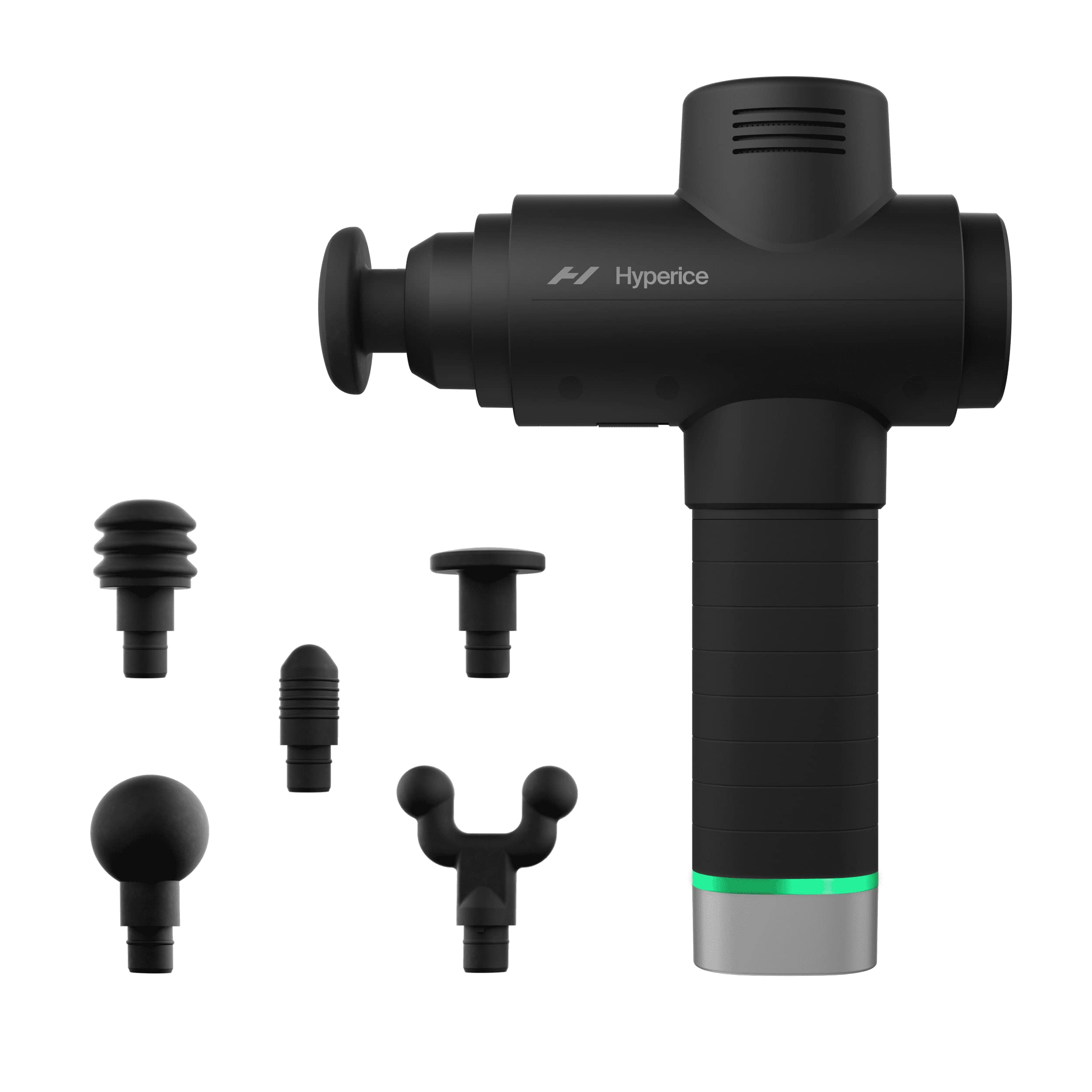
Percussion guns deliver rapid pulses into muscle tissue, making them ideal for warming up before activity or flushing out lactic acid after intense exercise. They are best suited for large muscle groups like the quads, hamstrings, and glutes—common areas of tightness for Colorado residents engaging in hiking, skiing, or cycling. Look for models with interchangeable heads to target different tissue densities.
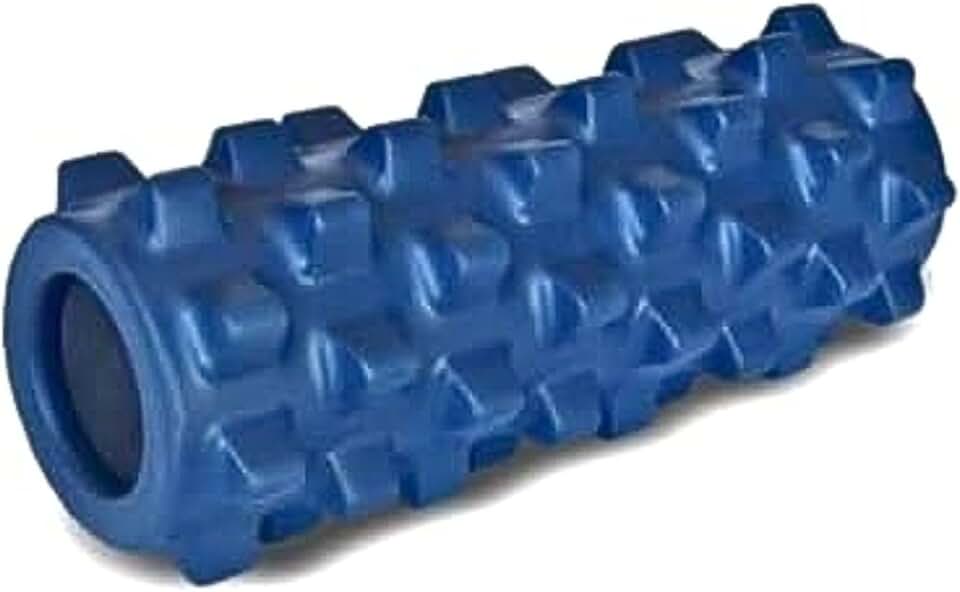
Massage Rollers
Static rollers, including foam rollers and spiky balls, rely on your body weight to apply pressure. This makes them excellent for self-myofascial release and triggering specific knots without the noise or bulk of electronic devices. They are portable and quiet, fitting easily into a backpack for post-hike recovery in the field or use in a home office setting.
Massage Mats
Massage mats offer a passive recovery solution, allowing you to lie down while the device applies pressure across your back or legs. These are particularly useful for general relaxation and stress relief after a long day. They provide a broad, even pressure that is less targeted than a gun or roller but requires no effort from the user.

As an Amazon Associate, we may earn from qualifying purchases.
Top rated massage guns for recovery
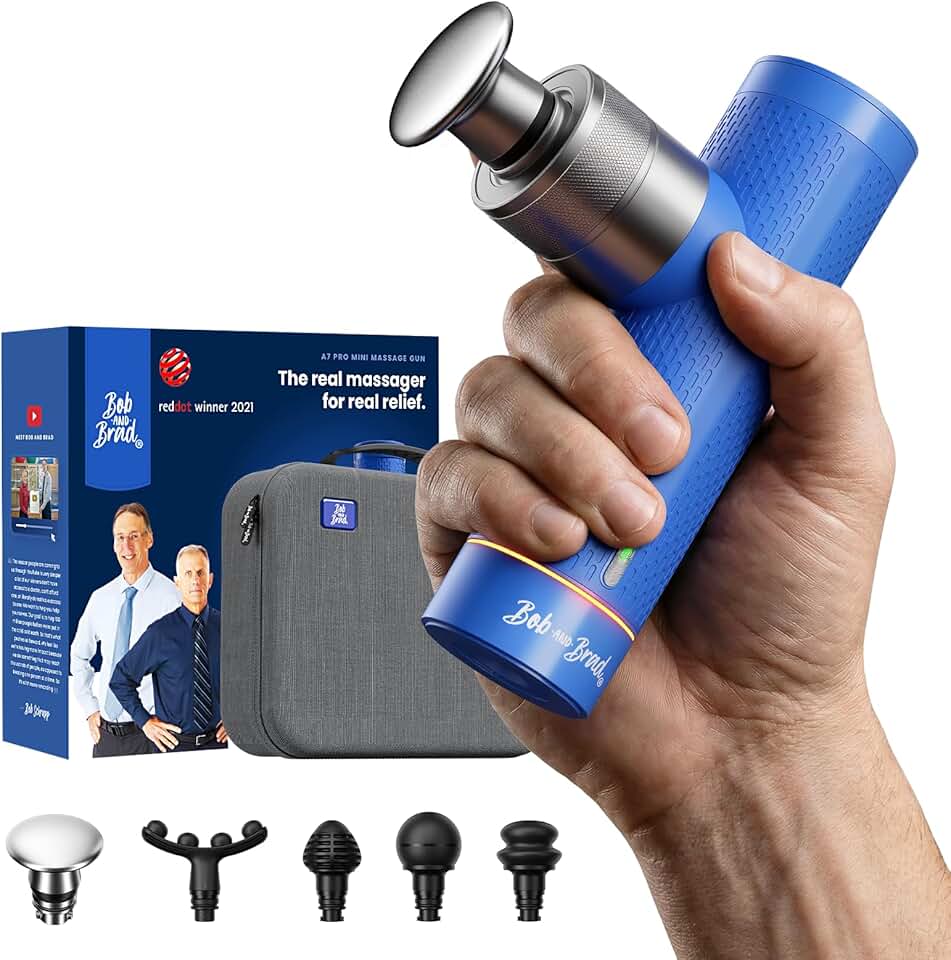
Percussion massagers are the go-to tool for Colorado athletes and outdoor enthusiasts looking to manage muscle tightness after long days on the slopes or trails. The dry mountain air and high altitude can accelerate muscle fatigue, making consistent recovery routines essential. Choosing the right device depends on your activity level and the depth of tissue you need to address.
We recommend focusing on models that offer variable speed settings and interchangeable heads. This flexibility allows you to switch from gentle warmth after a light hike to deep pressure after a heavy lift. Below are three top-rated options that balance power, battery life, and portability for the Colorado lifestyle.

As an Amazon Associate, we may earn from qualifying purchases.
Essential oils and lotions for Colorado skin
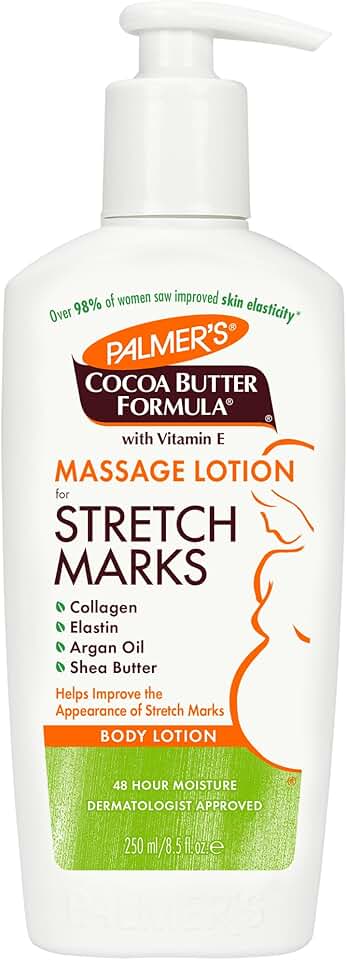
The high altitude and low humidity of Colorado turn skin dry and tight, especially after a deep tissue session. Standard lotions often evaporate too quickly in this climate, leaving the skin feeling stripped rather than soothed. Choosing products with higher oil content and humectants like hyaluronic acid or glycerin helps lock in moisture where it matters most.
For massage therapists and home users alike, the goal is to reduce friction without absorbing too fast. Jojoba and sweet almond oils mimic the skin’s natural sebum, providing a long-lasting glide that doesn’t leave a greasy residue. These natural carriers are ideal for Colorado’s arid air, allowing the therapist to work deeply while keeping the client’s skin barrier intact.
If you prefer scented options, look for blends that include calming lavender or invigorating eucalyptus, which can enhance the relaxation benefits of the massage itself. However, avoid products with high alcohol content or heavy synthetic fragrances, as these can irritate sensitive skin already stressed by the dry environment.


As an Amazon Associate, we may earn from qualifying purchases.
Comparing massage tools and accessories
Choosing the right massage tool depends on your specific needs, budget, and how you plan to use it. Whether you are recovering from a long hike in the Rockies or just trying to ease the tension from a day at the office, the right device can make a significant difference. Here is a side-by-side comparison of popular options to help you decide.
| Tool Type | Price Range | Weight | Key Features |
|---|---|---|---|
| Percussion Massage Gun | $100 - $300 | 2 - 4 lbs | High-impact vibration, multiple speed settings, rechargeable battery |
| Foam Roller | $20 - $50 | 1 - 2 lbs | Manual pressure, durable foam, portable, no batteries needed |
| Massage Ball | $10 - $25 | 0.2 - 0.5 lbs | Targeted trigger points, highly portable, inexpensive |
| Handheld Massager | $30 - $80 | 0.5 - 1 lb | Gentle vibration, ergonomic grip, quiet operation |
When selecting a tool, consider the environment. Colorado’s dry air can sometimes make joints feel stiffer, so a tool with adjustable intensity might be more comfortable than a high-impact percussion gun. Also, keep in mind that altitude can affect battery life in some electronic devices, so having a fully charged device is essential for outdoor activities.
For most users, a percussion massage gun offers the most versatility for deep tissue work, while a foam roller is excellent for general recovery and mobility. If you are looking for something portable and affordable, a massage ball is a great option for targeting specific tight spots. Ultimately, the best tool is the one you will use consistently.
How to choose a licensed therapist
Skipping DIY tools for professional care is a smart move, especially in Colorado where dry air and high altitude can make muscles tighter and more prone to injury. A licensed therapist brings the clinical knowledge to handle these environmental stressors safely. Before booking, verify their credentials through the official state database to ensure they meet Colorado’s rigorous standards.
Colorado requires massage therapists to complete at least 650 hours of education from a state-approved program and pass the Massage and Bodywork Licensing Exam (MBLEx). You can verify a therapist’s active license status and check for any disciplinary actions on the Colorado Division of Professions and Occupations website. This step eliminates guesswork and ensures you are working with a qualified professional.
Once licensed, consider the specific type of massage that matches your needs. Whether you are seeking relief from deep tissue tension, sports recovery, or trigger point therapy, a qualified therapist can tailor the session to your body’s current state. This personalized approach offers benefits that static tools simply cannot replicate.
-
Check the Colorado Division of Professions and Occupations website for active licensure.
-
Confirm the therapist has completed the required 650+ hours of education.
-
Verify they have passed the MBLEx or equivalent state exam.
-
Discuss any altitude-related stiffness or dry skin concerns during consultation.
Choosing a verified professional ensures your investment in recovery is safe, effective, and tailored to your body’s unique needs in the Colorado climate.
Frequently asked questions about massage
What is a normal tip for a $100 massage?
The standard hospitality rate for massage tipping is 20 percent. For a $100 session, a $20 tip is the expected norm. This applies whether you are visiting a spa in Denver or a local clinic in Boulder.
Do you need a license to practice massage in Colorado?
Yes. Colorado requires therapists to pass the Massage and Bodywork Licensing Exam (MBLEx) to become Licensed Massage Therapists. You can verify credentials through the Division of Professions and Regulations. Always look for the license number posted in the treatment room.
What types of massage are best for altitude recovery?
Colorado’s dry air and elevation can leave muscles tight and dehydrated. Swedish massage helps relax the nervous system, while deep tissue work targets the specific tension caused by hiking or skiing. Sports massage is ideal for active recovery after a day on the slopes.
No comments yet. Be the first to share your thoughts!