

Why Colorado Spas Heal Winter Fatigue
Colorado’s high-altitude environment does more than just offer scenic views; it creates a unique physiological backdrop for recovery. The combination of thin air, crisp mountain temperatures, and natural thermal springs works synergistically to ease the physical toll of winter. While the cold weather often leads to muscle tension and sluggish circulation, the heat from thermal waters expands blood vessels, promoting blood flow and accelerating the removal of metabolic waste from stiff joints and tight muscles.
This thermal therapy is particularly effective for counteracting the sedentary habits that often accompany colder months. Soaking in mineral-rich waters—typically abundant in Colorado’s geothermal springs—provides essential electrolytes like magnesium and calcium, which can help reduce inflammation and improve sleep quality. The dry mountain air further aids respiratory health, clearing out pollutants and allergens trapped during indoor winter activities.
Wellness spas in the region leverage these natural resources by integrating hydrotherapy with targeted treatments like deep-tissue massage and herbal wraps. This approach addresses both the external stiffness from cold exposure and the internal fatigue from seasonal affective shifts. By combining the restorative power of thermal water with professional therapeutic techniques, Colorado spas offer a concrete solution for reversing winter weariness, leaving visitors feeling physically restored and mentally clear.
Luxury Mountain Retreats in Aspen
Aspen’s high-end spa scene treats post-ski recovery as both an art and a science. The city’s premier wellness centers combine advanced therapeutic techniques with premium amenities to help you recover from the slopes without sacrificing comfort or style.
The Spa at The Little Nell
The Spa at The Little Nell is widely recognized for its specialized ski-recovery treatments. Located in the heart of Aspen, the facility features a dedicated fitness center and steam rooms designed to flush out toxins after a day on the mountain. The spa’s signature offerings include Georgia Louise facials, which use natural ingredients to hydrate skin exposed to harsh, high-altitude winds. For muscle relief, therapists employ deep-tissue massage techniques tailored to skiers, focusing on the quads, hamstrings, and lower back. The atmosphere is quiet and refined, offering a stark contrast to the bustling base areas of the ski resorts.
RAKxa Wellness Spa at The St. Regis Aspen Resort
The RAKxa Wellness Spa at The St. Regis Aspen Resort blends ancient wellness wisdom with modern innovation. This sanctuary focuses on organic ingredients and advanced techniques to restore balance. Treatments here often include aromatherapy and hot stone massages, which help alleviate tension accumulated from cold weather and physical exertion. The spa’s design emphasizes tranquility, with private treatment rooms that provide a serene escape. Guests can also utilize the state-of-the-art fitness facilities to maintain their routine while enjoying the luxury of high-thread-count linens and premium toiletries.
Essential Recovery Products
To extend the benefits of your spa visit, consider incorporating high-quality skincare and recovery gear into your routine. The following products are popular among wellness enthusiasts for maintaining hydration and muscle relief after winter activities.
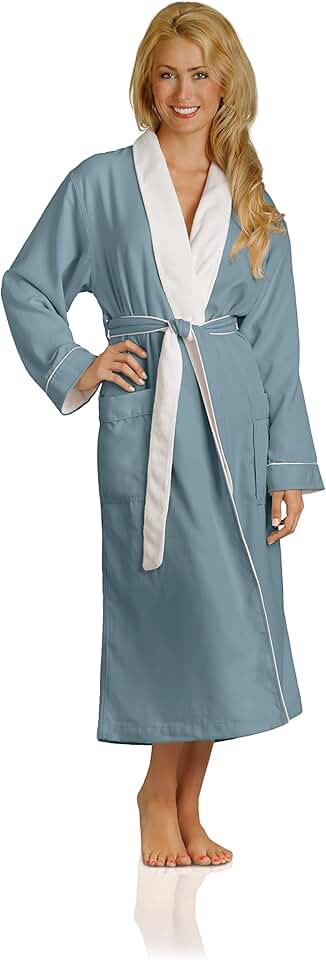

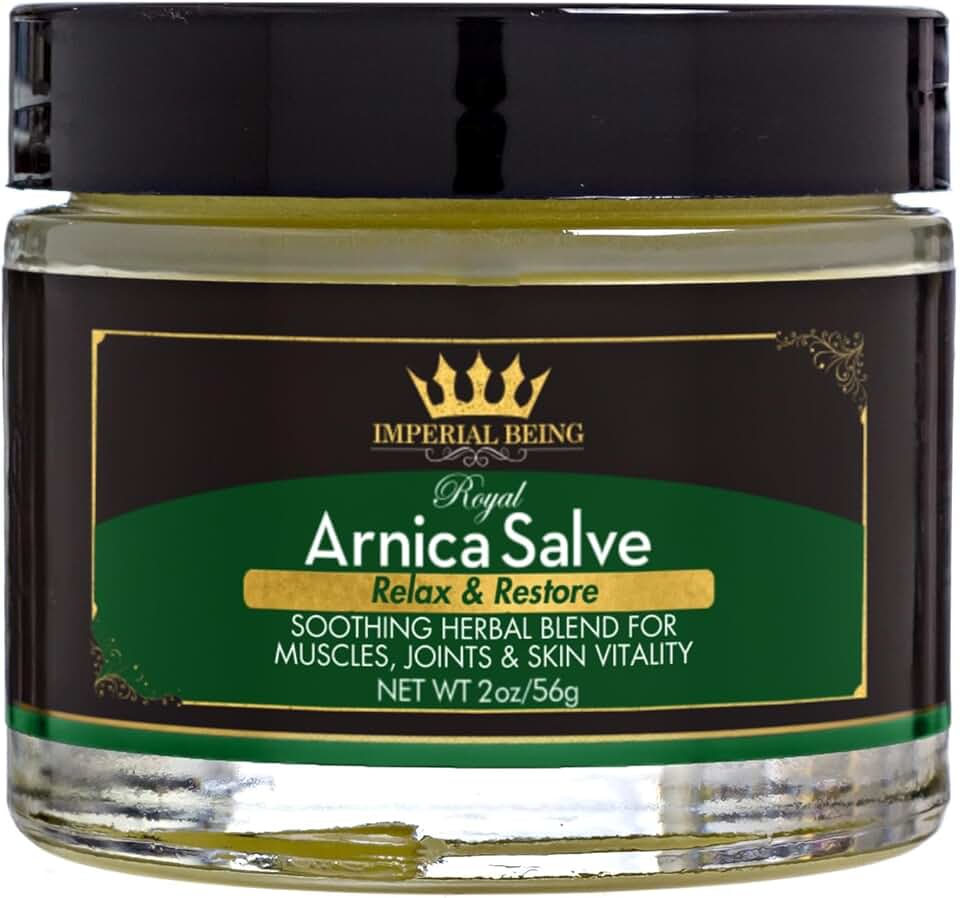
As an Amazon Associate, we may earn from qualifying purchases.
Thermal Springs and Natural Healing
Colorado’s geothermal heritage offers more than scenic views; it provides a clinically grounded method for post-winter recovery. The state’s natural thermal springs are rich in minerals like magnesium, calcium, and sulfur, which penetrate the skin to reduce inflammation and ease the deep muscle stiffness that lingers after months of cold weather. Unlike standard chlorinated pools, these mineral-heavy waters offer a passive form of physical therapy, allowing your body to relax without the impact of exercise.
Resorts like Mount Princeton Hot Springs Resort and Cheyenne Mountain Spa leverage this natural resource to create environments where heat therapy works in tandem with professional massage and body treatments. The consistent warmth increases blood flow, helping to flush out metabolic waste while the minerals replenish electrolytes depleted by dry winter air. This combination of hydrotherapy and mineral absorption is a distinct advantage for travelers seeking to reset their nervous system and restore physical mobility.
Choosing the right thermal experience depends on your specific recovery needs. Some springs are naturally cooler and mineral-rich, ideal for anti-inflammatory soaking, while others are heated to higher temperatures for deep muscle relaxation. Many top-tier spas combine these natural pools with eucalyptus steam rooms and cold plunges, creating a contrast therapy circuit that boosts circulation and immune response. This holistic approach turns a simple soak into a comprehensive physiological reset.
| Resort | Key Minerals | Signature Treatments |
|---|---|---|
| Mount Princeton Hot Springs | Magnesium, Calcium | Thermal Soaks, Massage |
| Cheyenne Mountain Spa | Sulfur, Iron | Hydrotherapy Circuit, Facials |
| Garden of the Gods Resort | Trace Minerals | Hot Stone Massage, Yoga |
Serene Getaways Near Colorado Springs
The Colorado Springs area offers a distinct advantage for post-winter recovery: immediate access to high-altitude serenity without the isolation of the mountain resorts. These properties focus on accessible luxury, blending clinical wellness protocols with the restorative power of the Pikes Peak region.
Garden of the Gods Resort & Club
Located directly adjacent to the red rock formations, this property integrates its environment into its wellness programming. The resort offers guided meditation sessions and yoga classes that take place on terraces overlooking the Garden of the Gods park. Their spa services often include local botanicals, leveraging the regional flora for therapeutic treatments. The setting provides a natural backdrop for decompressing after winter travel, with views that encourage mental stillness alongside physical relaxation.
Hotel Polaris Ascend Spa
Hotel Polaris positions its Ascend Spa as a hub for active recovery and deep rest. The facility features a saltwater pool and a sauna designed to help flush toxins accumulated during cold-weather exertion. Treatments here are structured around circulation and muscle recovery, making it a strong option for skiers or hikers looking to ease soreness. The spa also offers sound bath sessions, using vibration therapy to lower cortisol levels and improve sleep quality after a long day of winter activities.
Choosing the right spa package
Colorado’s mountain spas offer distinct treatment paths, each addressing the specific toll of winter on the body. Selecting the correct package depends on whether your primary need is muscular relief, skin hydration, or thermal relaxation.
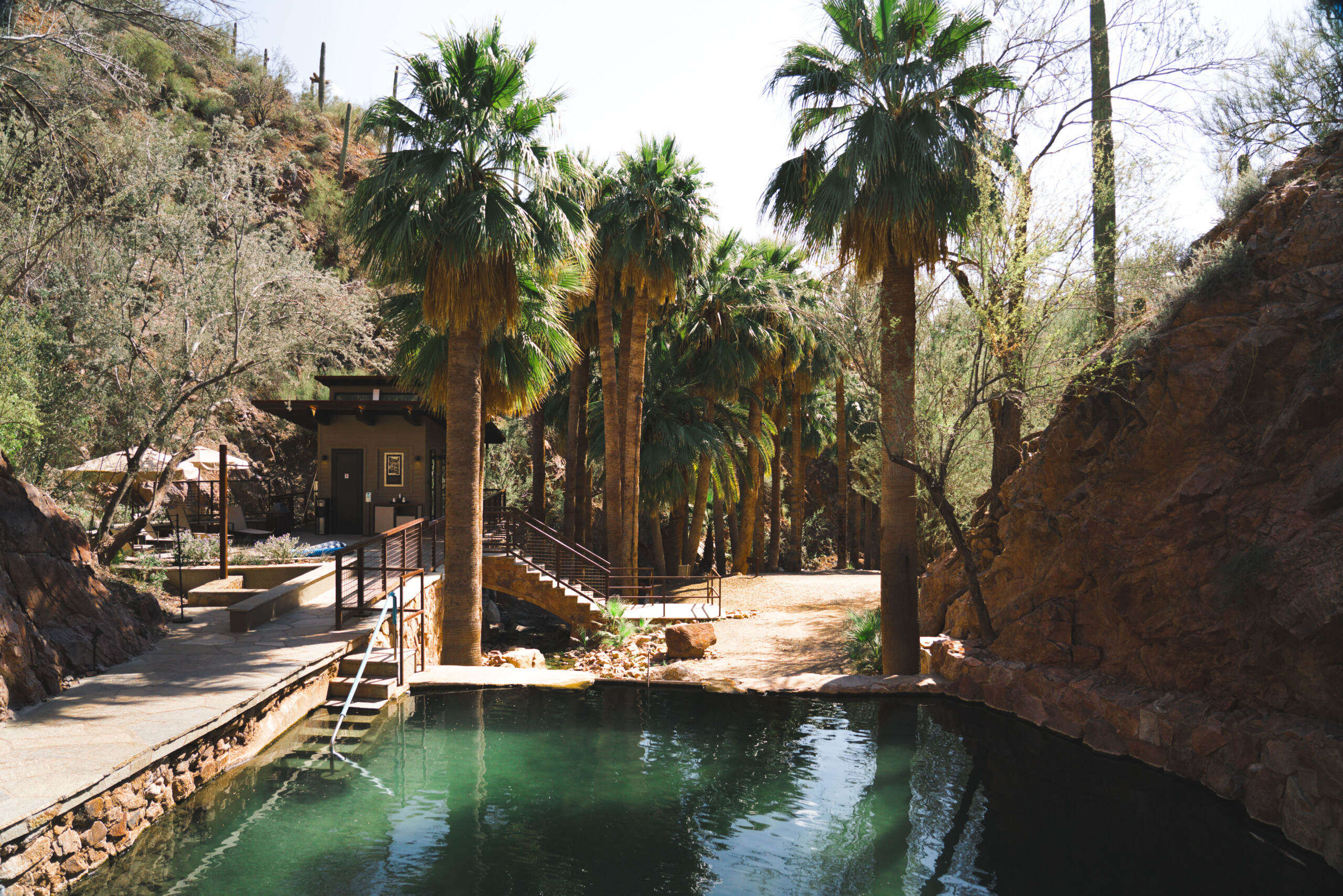
If your shoulders and lower back ache from snow shoveling or hiking, prioritize deep tissue or sports massage packages. These treatments target the fascia and release knots that standard relaxation massages often miss. Look for packages that include at least 60 minutes of focused work on the upper back and neck.
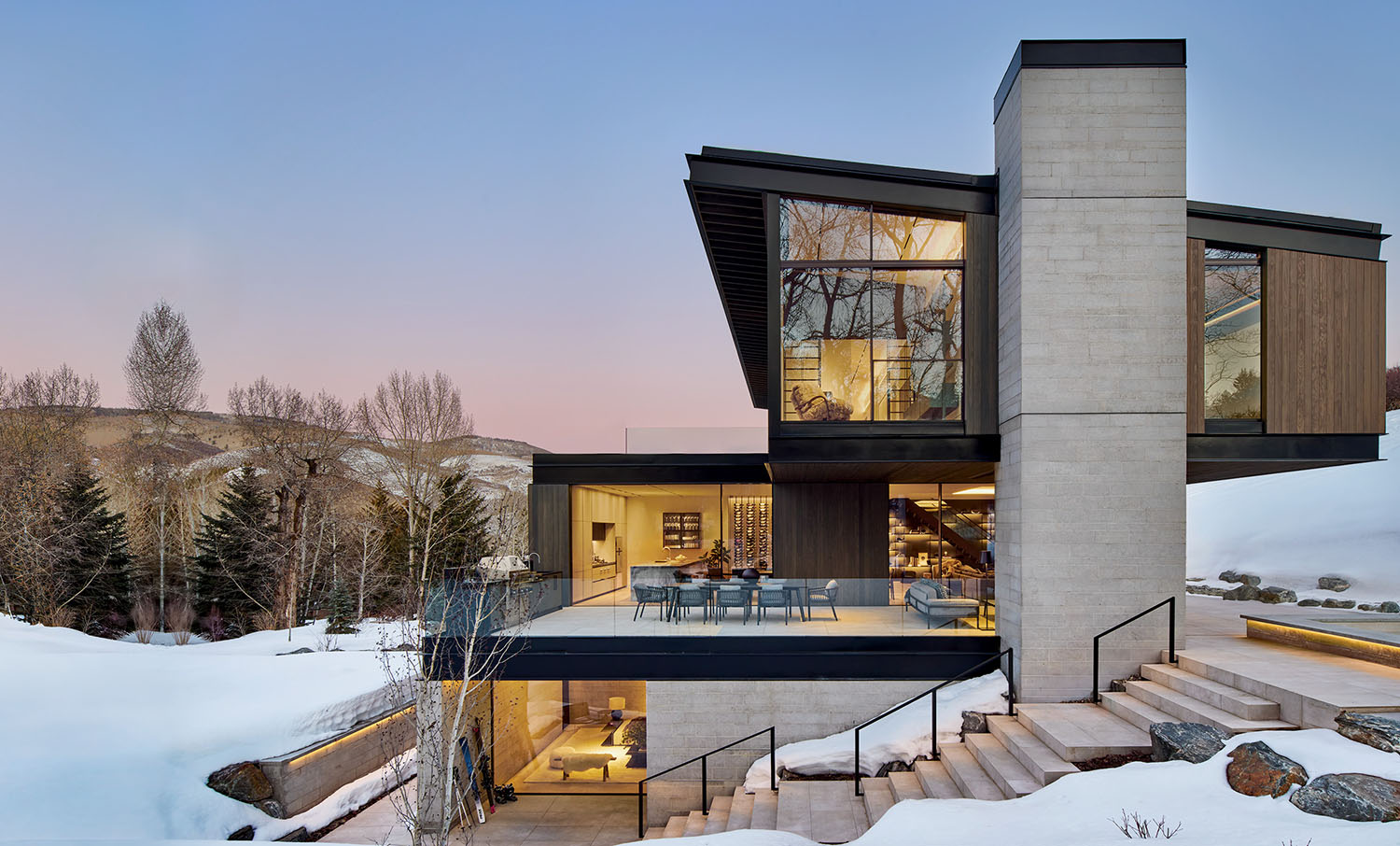
Winter air strips moisture from the skin barrier, leaving faces and hands tight and flaky. Choose packages featuring hyaluronic acid infusions, hydrating facials, or salt scrubs. These treatments restore lipid layers and improve elasticity, which is essential for protecting skin against high-altitude UV exposure.
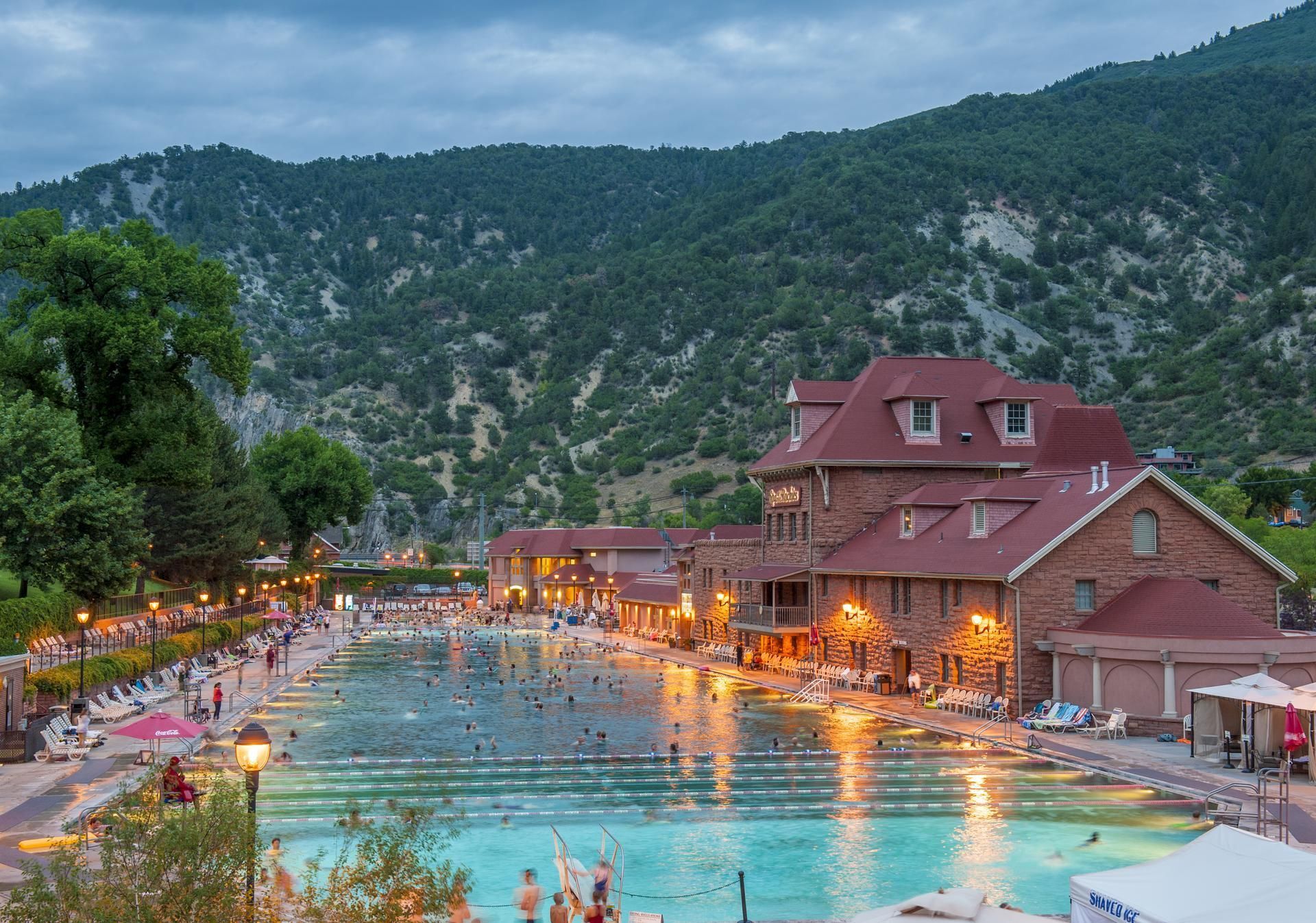
Not all spas offer hydrotherapy. If you need to soothe stiff joints, verify the package includes access to eucalyptus steam rooms, cold plunges, or heated loungers. The contrast between heat and cold reduces inflammation and improves circulation more effectively than massage alone for post-winter recovery.
Avoid bundling treatments that overlap in function, such as a hot stone massage paired with a thermal bath if you are sensitive to heat. Instead, pair a physical treatment like a massage with a restorative element like a facial to balance exertion with recovery.
No comments yet. Be the first to share your thoughts!