

Colorado’s Winter Chill & Your Muscles
Colorado winters are beautiful but harsh on the body. Cold temperatures constrict blood vessels, reducing circulation and causing muscles to tense. This can increase pain sensitivity and worsen existing conditions.
Massage requests increase each year as the weather turns. People seek treatments to counteract winter's physical effects—stiffness, aches, and general tension—rather than just for luxury.
Heated massage therapies, such as hot stone massage and those using heated tables, directly address winter's physical toll. Heat dilates blood vessels, improving circulation and oxygen delivery to muscles, which promotes relaxation and reduces tension.
People are increasingly seeking these treatments before feeling significant discomfort, using massage as a preventative measure to maintain flexibility and manage pain throughout winter.
Hot Stone Massage: Ancient Heat, Modern Relief
Hot stone massage has ancient roots, tracing back thousands of years to Chinese medicine. While Mary Ann Wentworth popularized it in 1993, the principles are ancient.
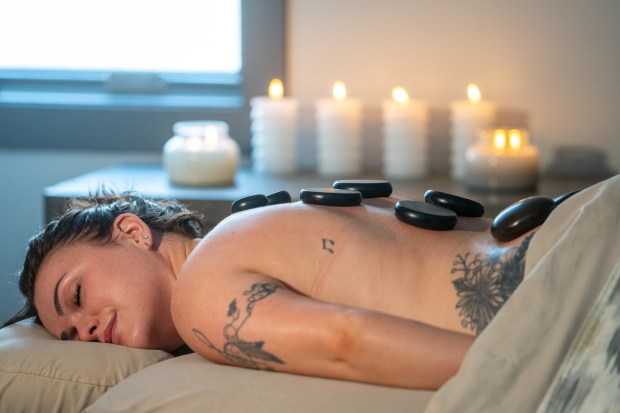
The technique uses smooth, heated stones, typically basalt, placed on specific body points. Heated to 110-130°F, the stones penetrate muscles for relaxation and tension relief. The stones' weight also contributes to the therapeutic effect.
A session typically begins with a Swedish massage to warm muscles. Heated stones are then placed on the back, stomach, palms, and between toes. The therapist may also use the stones during the massage to work deeper into muscle knots. The experience is gentle yet powerful.
Colorado spas might use slightly warmer stones due to the dry climate, as stones lose heat faster in low humidity. Further data on this is needed.
Beyond Basalt: Heated Massage Variations
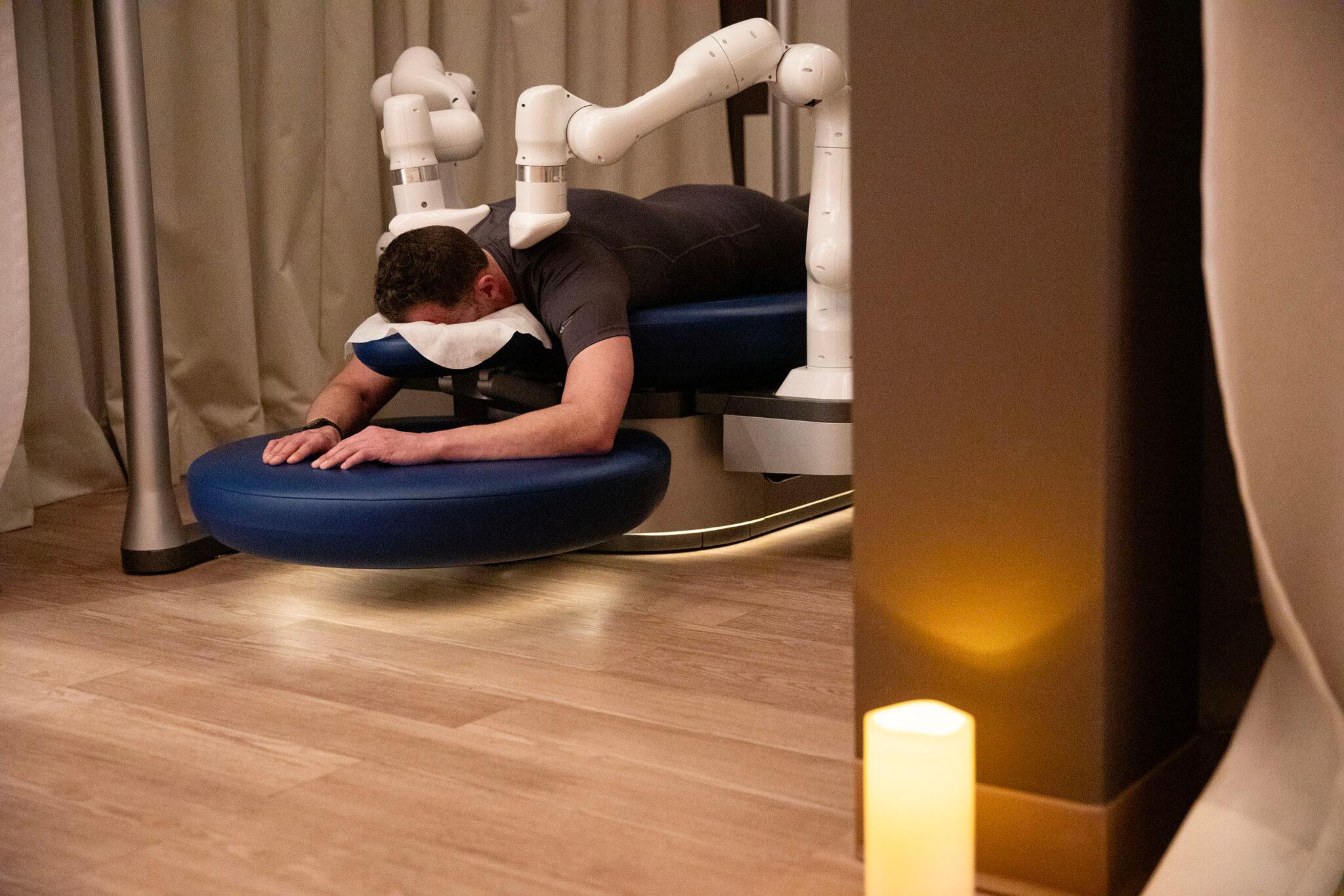
Beyond hot stone massage, other heated options include heated tables, which provide consistent, gentle warmth beneficial for those who get cold easily.
Warm oil massage involves heating massage oil before application, creating a soothing sensation and enhancing absorption. This simpler technique can be very effective, with aromatherapy blends adding to the experience.
Infrared heat therapy uses infrared lamps to deliver heat directly to muscles, reducing pain and inflammation. Some spas combine this with traditional massage for a synergistic effect.
Heat delivery differs: hot stone is localized, heated tables offer overall warmth, warm oil combines heat with oil benefits, and infrared heat penetrates deeply. This variety allows for personalized treatments.
Colorado Spas Leading the Warmth
Colorado has many spas offering hot stone and heated massage services. Here are a few highly-rated options, with general price ranges.
The Broadmoor, Colorado Springs: This iconic resort spa offers a comprehensive menu of treatments, including a signature hot stone massage. Expect luxury and a high price point – around $300-$450 for an 80-minute session. They're consistently ranked among the top spas in the country.
Remède Spa at The St. Regis Aspen Resort: Another high-end option, Remède Spa specializes in customized treatments. Their hot stone massage is known for its attention to detail and skilled therapists. Prices are comparable to The Broadmoor, around $350-$500.
The Oxford Club, Spa & Salon, Denver: A more accessible option in the heart of Denver, The Oxford Club offers a range of heated massage services at a more moderate price point – typically $150-$250 for an 80-minute session. They also have a loyal local following.
Devil’s Thumb Ranch Resort & Spa, Tabernish: Located in the mountains near Winter Park, this spa offers a tranquil escape. Their hot stone massage is particularly popular with skiers and snowboarders looking to soothe sore muscles. Expect prices around $200-$300.
H2Oasis Day Spa, Littleton: This local favorite consistently receives rave reviews for its friendly staff and effective treatments. They offer a variety of heated massage options at very competitive prices – often under $150 for an 80-minute session.
Spa at Four Seasons Resort and Residences Vail: Expect a luxurious experience and highly trained therapists. Their hot stone massage is a signature treatment, and the setting is truly stunning. Prices are in the $350-$500 range.
DIY Warmth: At-Home Options
While nothing quite replicates a professional massage, there are ways to recreate some of the benefits at home. Warm compresses are a simple and effective option. Soak a towel in warm water, wring it out, and apply it to sore muscles for 15-20 minutes. Be careful not to make the water too hot!
Heated massage tools, such as handheld massagers with heat settings, can also provide relief. These are readily available online and at most drugstores. They aren’t as targeted as a therapist’s hands, but they can help to loosen up tight muscles. I’ve found some that are surprisingly effective for neck and shoulder tension.
Self-massage with warm oils is another good option. Use a carrier oil like almond or jojoba oil, and add a few drops of essential oils like lavender or chamomile for added relaxation. Gently massage your muscles, focusing on areas that are particularly tense. Always test a small area of skin first to check for sensitivities.
Safety is paramount. Never apply direct heat to inflamed areas, and always use caution when working with heated tools. And remember, these at-home options are meant to supplement professional care, not replace it.
- Soak a towel in warm (not hot!) water.
- Wring out excess water.
- Apply to sore muscles for 15-20 minutes.
Conditions That Benefit Most
Hot stone and heated massage can be particularly beneficial for a range of conditions. Muscle soreness, of course, is a primary target. The heat helps to reduce inflammation and relieve muscle spasms. Arthritis sufferers may also find relief, as the heat can help to ease joint pain and stiffness.
Fibromyalgia, a chronic condition characterized by widespread musculoskeletal pain, can also be managed with heated massage. The gentle heat and pressure can help to reduce pain and improve sleep. However, it’s important to work with a therapist who is experienced in treating fibromyalgia.
Beyond the physical benefits, heated massage can also help to reduce anxiety and improve circulation. The Denver Post article highlighted how these treatments can combat the negative effects of cold weather on mental wellbeing. The warmth and relaxation can promote a sense of calm and wellbeing.
It's vital to remember that massage therapy is not a cure-all. It should be used as part of a comprehensive treatment plan, in consultation with a healthcare professional. It's a complementary therapy, not a replacement for medical care.
Safety First: Who Should Be Cautious
While generally safe, hot stone and heated massage aren't suitable for everyone. Pregnant women should avoid these treatments, as the heat can be harmful to the developing fetus. People with certain medical conditions, such as diabetes, heart disease, or high blood pressure, should consult with their doctor before receiving a hot stone massage.
Individuals with skin sensitivities, such as eczema or psoriasis, should also be cautious. The heat can exacerbate these conditions. Recent injuries, such as sprains or fractures, should also be avoided. It’s crucial to communicate openly with your massage therapist about your health history.
If you have any concerns, it’s always best to err on the side of caution. A reputable massage therapist will ask you about your medical history and will be able to advise you on whether or not the treatment is right for you. Don’t hesitate to ask questions.
Looking Ahead: Trends in Colorado Wellness
Colorado’s wellness scene is constantly evolving. We're seeing increasing interest in the integration of CBD into massage therapies, with some spas now offering CBD-infused oils and lotions. The use of new heating technologies, like infrared saunas and heated compression therapy, is also on the rise.
Perhaps the biggest trend is the growing demand for personalized wellness experiences. People are looking for treatments that are tailored to their individual needs and preferences. Spas are responding by offering customized massage blends, personalized aromatherapy, and holistic wellness programs. It’s an exciting time for Colorado wellness.


No comments yet. Be the first to share your thoughts!