

The state of AI massage in Colorado
Colorado's massage scene is changing. We aren't seeing robots replace therapists yet, but AI is moving into the room through data. It's less about mechanical arms and more about using sensors to help a human therapist understand exactly where your muscles are holding tension before they even lay hands on you.
The integration of AI in massage is still in its early stages, but interest is growing rapidly. Spas are looking for ways to differentiate themselves and offer cutting-edge services, and consumers are increasingly open to technology-driven wellness solutions. However, this emerging field isn’t without its complexities. New legislation, like House Bill 26-1139, is beginning to address the ethical and practical considerations of using AI in healthcare settings, including massage therapy.
This article will explore the current state of AI-enhanced massage in Colorado, looking at the spas that are leading the way, the technologies they’re using, and the legal framework surrounding this exciting – and sometimes uncertain – new frontier. We'll try to separate hype from genuine benefits, and offer a realistic look at where things are headed.
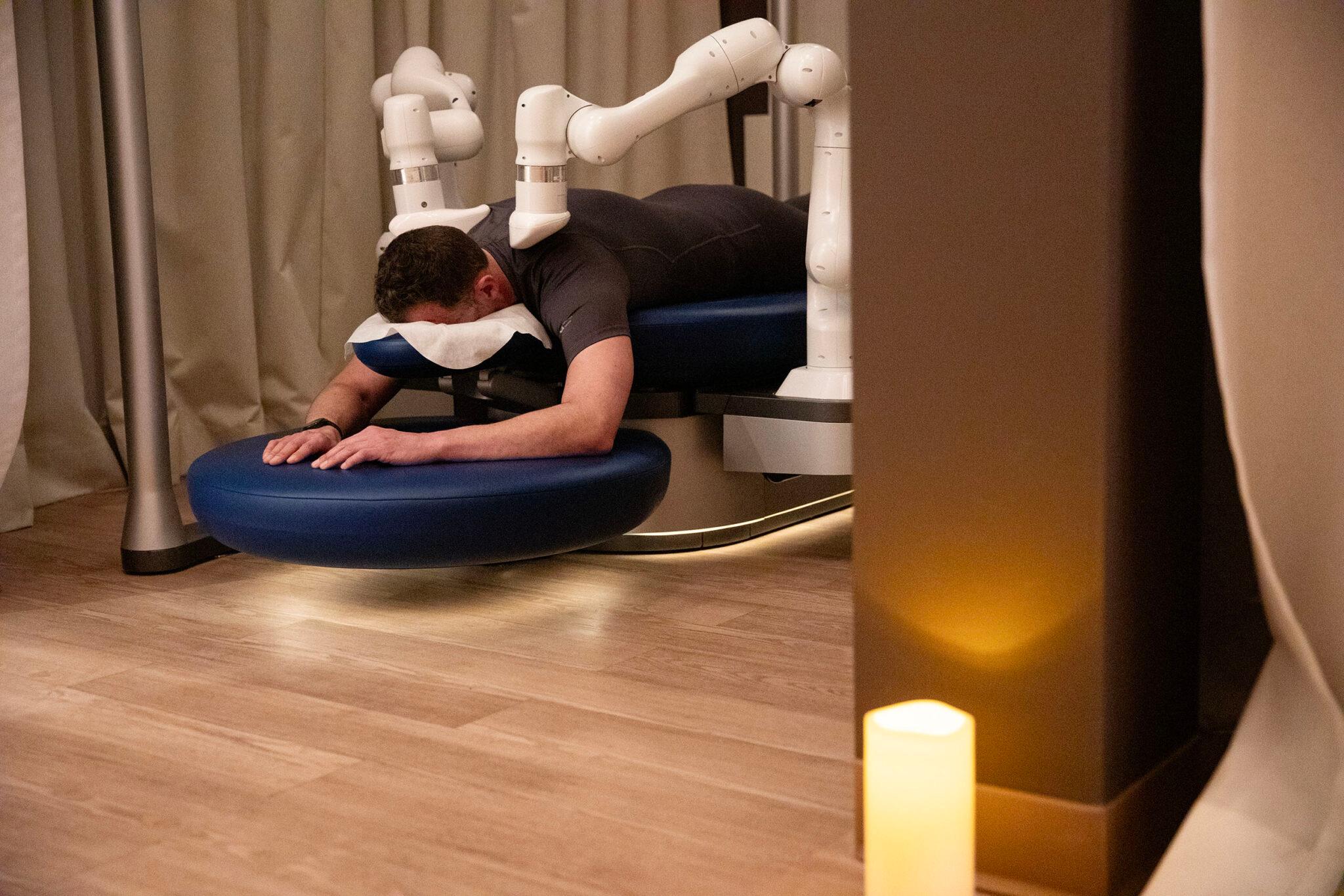
Inside Arvada’s AI Cottage Massage
AI Cottage Massage in Arvada is the clearest example of this tech in action. I checked their setup at 11651 W 64th Ave; they have a 4.5-star Yelp rating, mostly from people surprised by how much the data actually changes the massage. They don't just have a tablet on the wall; they use the tech to dictate the session flow.
According to their website and customer feedback, AI Cottage Massage uses a combination of technologies to personalize each session. This includes biofeedback sensors to monitor heart rate variability and muscle tension, and AI-powered software to analyze this data in real-time. They claim this allows therapists to tailor the pressure, technique, and even the music to each client’s individual needs. MapQuest confirms their location, though the site has experienced occasional glitches.
The client experience seems to be centered around data-driven customization. Before the session, clients complete a detailed intake form, and during the massage, the sensors continuously collect information. This data is then used to adjust the treatment as it progresses. Reviews suggest clients appreciate the feeling of a highly personalized experience, and many report deeper relaxation and pain relief. However, it's also worth noting that some reviewers expressed curiosity about how their data was being used.
That’s where the legal aspect comes in. House Bill 26-1139, passed in 2026, requires regulated professionals using AI systems to disclose the purposes for which the AI is being used to their clients. This is a crucial provision, ensuring transparency and allowing clients to make informed decisions about their care. AI Cottage Massage’s website states they provide this disclosure, but it’s always wise to ask questions during your appointment to understand exactly what data is being collected and how it’s being utilized.
Beyond Arvada: Emerging Tech in Colorado Spas
While AI Cottage Massage is leading the charge, it appears other Colorado spas are cautiously exploring AI-driven technologies. I'm not seeing widespread adoption yet, but there are signs of growing interest. Some spas are experimenting with AI-powered scheduling and intake forms, streamlining the booking process and collecting more detailed client information upfront.
I’ve heard anecdotal reports of spas using personalized music playlists based on client biofeedback – similar to what AI Cottage Massage offers. The idea is to use music to enhance relaxation and create a more immersive experience. I’ve also encountered whispers of spas utilizing pressure mapping technology, which uses sensors to visualize the amount of pressure being applied during a massage, allowing therapists to provide more consistent and effective treatment.
It's difficult to get concrete data on this, as many spas are keeping their AI integrations under wraps. Larger spa chains, like The Broadmoor and Sonnenalp Hotel, haven’t publicly announced any major AI initiatives, but it’s reasonable to assume they’re evaluating the potential benefits. It's likely we’ll see more widespread adoption in the coming years, as the technology becomes more affordable and the regulatory landscape becomes clearer.
The tech behind the table
At the heart of AI-enhanced massage are a few key technologies. Biofeedback sensors are crucial; these devices measure physiological signals like heart rate variability (HRV), skin conductance, and muscle tension. HRV, for example, can indicate a person’s stress level and their body's ability to regulate itself. Therapists can then use this information to adjust the massage to promote relaxation and reduce stress.
Pressure mapping is another important technology. This involves using sensors embedded in the massage table or handheld devices to visualize the pressure being applied during the massage. This allows therapists to ensure they’re applying the right amount of pressure in the right areas, avoiding discomfort and maximizing therapeutic benefits. It’s not about replacing the therapist’s intuition, but rather providing them with objective data to inform their decisions.
Finally, AI-driven personalization algorithms analyze the data collected from these sensors and other sources (like client intake forms) to create a customized treatment plan. These algorithms can identify patterns and predict how a client will respond to different techniques, allowing therapists to optimize the massage experience. While the algorithms might sound complex, the goal is simple: to deliver a more effective and personalized treatment.
- Biofeedback sensors track heart rate and muscle tension to find your stress triggers.
- Pressure mapping: Visualize pressure applied during massage.
- AI-driven personalization: Analyze data to create customized treatment plans.
AI Features in Colorado Spas
- Personalized Massage Programs - AI algorithms analyze client intake forms and therapist feedback to create customized massage sequences tailored to individual needs and goals.
- Dynamic Lighting Control - Ambient lighting adjusts in real-time based on biometric data, aiming to enhance relaxation and mood during the massage session.
- Smart Table Adjustments - Massage tables equipped with sensors and automated adjustments respond to client feedback and therapist input, optimizing positioning for comfort and effectiveness.
- AI-Powered Soundscapes - Sound therapy integrated with AI generates evolving soundscapes designed to promote deep relaxation and mindfulness, responding to the client’s physiological state.
- Real-time Feedback Analysis - AI analyzes therapist technique during the session, providing subtle guidance to optimize pressure, rhythm, and flow, enhancing treatment quality.
- Automated Intake & Wellness Tracking - AI-driven platforms streamline client intake processes and track wellness data over time, providing insights for more effective treatment planning.
- Temperature Regulation - AI controls localized heating and cooling elements within the massage table or room to enhance comfort and therapeutic benefit.
New laws for high-tech wellness
House Bill 26-1139 significantly impacts the use of AI in healthcare, including massage therapy. The core requirement is disclosure: spas must inform clients about the purposes for which they are using AI systems. This isn’t a blanket statement; they need to be specific about what data is being collected, how it’s being used, and who has access to it.
The law also addresses data privacy and security. While it doesn’t impose strict regulations beyond existing healthcare privacy laws, it does emphasize the importance of protecting client data. The bill specifically exempts “generation based documentation tools” used as “supplementary support” – meaning automated note-taking isn't subject to the same stringent consent requirements as AI that directly interacts with the client during treatment.
I believe this law is a positive step towards responsible AI implementation. It encourages transparency and empowers clients to make informed decisions about their care. It’s not about stifling innovation, but rather ensuring that AI is used ethically and in a way that benefits both clients and therapists. Spas that prioritize transparency and data privacy will likely be best positioned to thrive in this evolving landscape.
The Human Touch: AI as a Tool, Not a Replacement
One of the biggest concerns surrounding AI in massage is the fear that it will replace human therapists. I firmly believe this isn’t the case. AI is a powerful tool, but it can’t replicate the empathy, intuition, and therapeutic relationship that are essential to a truly effective massage.
The best approach is to view AI as a way to augment the therapist’s skills, not replace them. AI can provide valuable data and insights, but it’s up to the therapist to interpret that data and use it to tailor the treatment to the client’s individual needs. The human connection remains paramount.
I spoke with Sarah Miller, owner of Serenity Massage in Boulder, who shared her perspective: "AI can be a great asset for gathering information and personalizing treatments, but it’s the therapist’s ability to connect with the client and understand their emotional state that truly makes a difference." She believes AI can free up therapists to focus more on the human aspects of care, rather than getting bogged down in data collection and analysis.
Investing in Your Wellness: At-Home AI Tech
You don’t need to visit a spa to experience the benefits of AI-enhanced wellness. A growing number of at-home devices and apps are incorporating AI to personalize your self-care routine. Smart massage guns, for example, often connect to apps that track your usage and provide personalized recommendations.
Biofeedback devices, like the Muse 2 meditation headband, use sensors to monitor your brain activity and provide real-time feedback to help you improve your focus and relaxation. There are also numerous guided meditation apps, such as Headspace and Calm, that use AI to personalize your meditation experience based on your mood and goals.
Here are a few examples currently available on Amazon (prices as of November 2026): Theragun Pro (around $599), Muse 2 Meditation Headband (around $249), and a subscription to the Calm app (around $70/year). These tools can be a valuable addition to your wellness toolkit, but they shouldn’t be seen as a replacement for professional massage therapy.
AI-Powered Wellness: Enhance Your At-Home Relaxation

Quiet deep tissue therapy · Bluetooth enabled connectivity · Electric percussion for muscle relief
This device brings advanced percussive therapy for targeted muscle relief into your home.

Advanced heat and vibration therapy · Wrap design for targeted areas · Designed for shoulder relief
Experience targeted heat and vibration therapy for localized muscle recovery and relaxation.

Advanced health and fitness tracking · Tools to manage stress and sleep · ECG app, SpO2, and 24/7 heart rate monitoring
Monitor key health metrics and manage stress and sleep with this comprehensive smartwatch.

World-class noise cancelling · Immersive Spatial Audio · Up to 24 hours of playtime
Enjoy unparalleled audio immersion and tranquility with these premium noise-cancelling headphones.
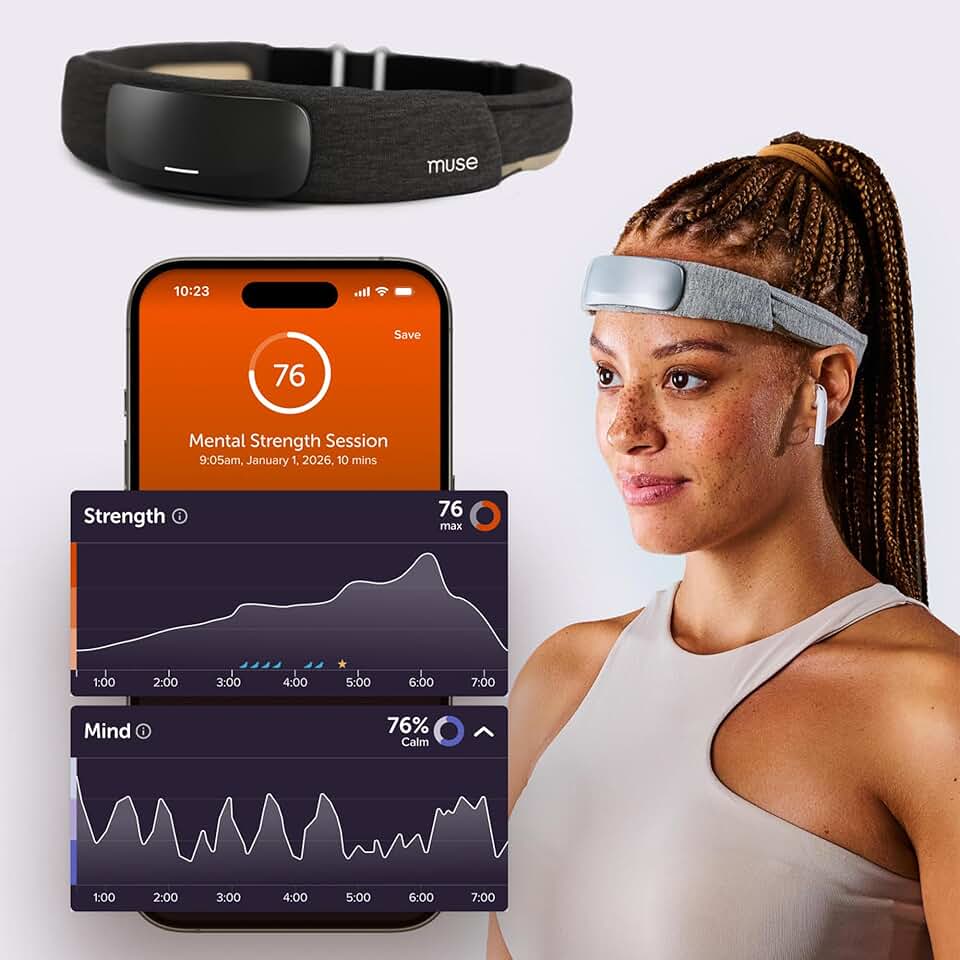
Brain sensing headband with EEG and fNIRS sensors · Deep sleep boost and sleep assist · Neurofeedback for meditation tracking
Enhance your sleep and meditation practices with real-time brainwave feedback and analysis.
As an Amazon Associate I earn from qualifying purchases. Prices may vary.

No comments yet. Be the first to share your thoughts!