

Colorado Spas Test AI Massage
A spa in Scottsdale, Arizona, recently began piloting an AI-powered massage therapist, as reported by 12news.com. This system aims to deliver a highly customized massage experience, rather than replacing human therapists. While Colorado hasn't yet seen widespread adoption of this specific technology, the developments in Scottsdale are capturing the attention of spa owners in the state.
The core idea behind AI in massage is to enhance, not eliminate, the human touch. This represents a shift from generalized techniques, like a standard Swedish massage, to experiences tailored to an individual’s unique needs. This personalization is driven by data, allowing for real-time adjustments based on a client’s response.
AI can gather and analyze information about muscle tension, pressure sensitivity, and physiological responses like heart rate variability. This data can then optimize the massage, ensuring each session is as effective and enjoyable as possible. This moves beyond a therapist’s intuition to a data-informed approach.
Colorado, with its focus on outdoor activity and wellness, is a prime location for this technology to take hold. The demand for recovery and personalized care is high, and spas are always looking for ways to differentiate themselves. AI will likely impact Colorado massage, with the main questions being when and how.
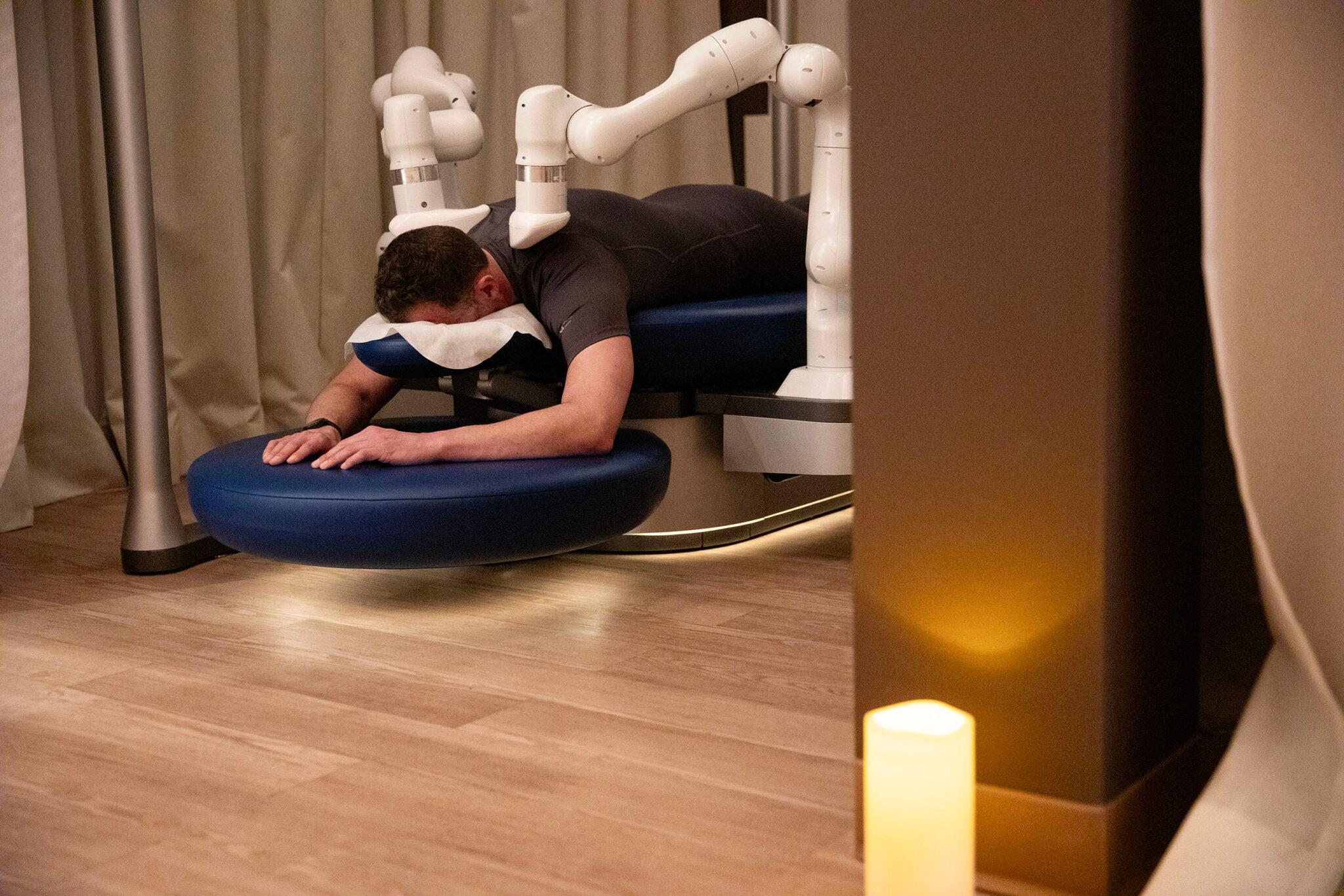
What Does 'AI Massage' Actually Mean?
The term "AI massage’ is broad, and understanding what’s being automated is key. It’s rarely about fully robotic arms performing the massage—that"s still largely in the realm of science fiction. Instead, most current applications focus on using AI to assist human therapists or to personalize aspects of the experience beyond the physical manipulation of muscles.
One key component is software that analyzes a client’s body to identify areas of tension or imbalance. This might involve using pressure sensors in the massage table or wearable devices to track movement and muscle activity. The data is then presented to the therapist, offering insights that might not be apparent through visual or tactile assessment alone.
Another layer of AI involvement comes through personalized environmental controls. This could include adjusting the music based on the client’s heart rate, selecting aromatherapy scents based on their reported mood, or even optimizing the room temperature for maximum relaxation. These elements work together to create a more holistic and effective experience.
Sensors play a critical role in this process. Pressure sensors in the table can map muscle tension, while movement sensors can track range of motion. Heart rate variability (HRV) sensors can provide insights into the client’s nervous system state, indicating levels of stress or relaxation. This data isn't just collected, it’s analyzed by algorithms to identify patterns and make recommendations.
- Data Collection: Sensors gather information about muscle tension, movement, and physiological responses.
- Analysis: AI algorithms analyze the data to identify patterns and imbalances.
- Personalization: The insights are used to tailor the massage technique, music, aromatherapy, and other environmental factors.
Colorado Spa Owners Weigh In
Several spa owners in Colorado were contacted to gauge their interest in AI-enhanced massage. The response was cautious optimism. Many are intrigued by the potential for personalization and improved client outcomes, but also express concerns about cost, training, and data privacy.
Sarah Miller, owner of The Sanctuary Spa in Colorado Springs, stated, “The idea of using data to better understand my clients’ needs is appealing. But the initial investment in technology and the ongoing training for my therapists would be significant. I need to see a clear return on investment before I’d consider it.”
Another spa owner, David Chen of Denver Massage & Wellness, highlighted the data privacy concerns. “Our clients trust us with sensitive information, and we have a responsibility to protect it. I’d need to be absolutely certain that any AI system we use complies with all relevant Colorado data privacy laws.”
The biggest hurdle seems to be practical implementation. Most spas are small businesses with limited resources. Integrating AI technology requires financial investment, a willingness to adapt existing workflows, and embracing new skills. This is a challenge many are willing to explore.
Personalization Beyond Pressure: The Data Advantage
Personalization in AI-enhanced massage goes far beyond simply adjusting the pressure. It aims to create a truly holistic experience tailored to the individual’s needs and preferences. AI can analyze data to optimize not just the physical aspects of the massage, but also the surrounding environment.
For example, AI could select music based on the client’s heart rate and stress levels, choosing calming melodies during periods of tension and more upbeat tunes during moments of relaxation. Aromatherapy scents could be adjusted based on the client’s reported mood or physiological responses, creating a synergistic effect.
Room temperature and lighting can also be optimized. A cooler temperature might be preferred during intense deep tissue work, while warmer temperatures and softer lighting could enhance relaxation. These subtle adjustments can significantly impact the overall experience.
AI can help therapists identify patterns in a client’s muscle tension that might indicate underlying stress or health issues. While AI isn’t a substitute for medical diagnosis, it can provide valuable insights that inform the massage and potentially encourage the client to seek further care.
Data Points for AI Analysis
- Muscle Tension - Real-time assessment of muscle tightness and imbalances throughout the body, potentially identifying areas needing focused attention.
- Heart Rate Variability (HRV) - Monitoring fluctuations in the time intervals between heartbeats, which can indicate stress levels and the body's relaxation response to massage.
- Skin Temperature - Tracking changes in skin temperature, which may reveal areas of inflammation or restricted blood flow.
- Breathing Rate - Observing the client’s respiratory rate to gauge relaxation and identify potential stress responses.
- Client-Reported Pain Levels - Integration of subjective feedback from the client regarding pain intensity and location, often using a standardized pain scale.
- Range of Motion - Measuring the degree of movement in joints to assess flexibility and identify limitations that massage therapy can address.
- Pressure Sensitivity - Analyzing the client's response to varying levels of pressure applied during the massage, allowing for personalized adjustments.
Techniques Enhanced by AI
AI isn't about replacing existing massage techniques; it's about augmenting them. For deep tissue massage, AI could help a therapist identify trigger points with greater precision, leading to more effective and targeted treatment. By analyzing muscle tension data, AI could guide the therapist to focus on specific areas that require attention.
For Swedish massage, which focuses on relaxation, AI could optimize the rhythm and pressure of the strokes based on the client’s heart rate and breathing patterns. This ensures the massage is as calming and restorative as possible. Data-driven insights offer an opportunity to refine these established techniques.
Specialized techniques like sports massage and prenatal massage could also benefit from AI. For athletes, AI could help identify muscle imbalances and areas of weakness, informing a targeted recovery plan. For pregnant women, AI could ensure that the massage is safe and comfortable, avoiding areas that are contraindicated.
The goal is to empower therapists, not replace them. AI can provide valuable data and insights, but the therapist’s skill and intuition ultimately deliver the healing touch. This is a collaborative partnership between human and machine.
Privacy and Data Security: A Colorado Focus
Collecting and analyzing biometric data raises significant privacy concerns. Spas must be transparent about what data they collect, how they use it, and who has access to it. Clients need to be informed and give their explicit consent before their data is collected.
Colorado has data privacy laws, including the Colorado Privacy Act (CPA), which went into effect in July 2023. This law gives consumers more control over their personal data, including the right to access, correct, and delete their information. Spas must comply with the CPA and other relevant regulations. Learn more about these regulations at https://oag.state.co.us/data-privacy.
Data breaches are a serious risk. Spas need to implement robust security measures to protect client data from unauthorized access, use, or disclosure. This includes encrypting data, using strong passwords, and regularly updating security software. A clear data breach response plan is also essential.
Clients should be able to opt-out of data collection at any time. Spas should also provide clients with access to their data and allow them to correct any inaccuracies. Building trust through transparency and respect for privacy is crucial for the successful adoption of AI in massage therapy.
Looking Ahead: AI and Colorado Massage in 2026
By 2026, AI-enhanced massage is expected to become more commonplace in Colorado, although likely not ubiquitous. More spas will likely adopt AI-powered tools to personalize the massage experience and improve client outcomes. The cost of these technologies will likely decrease, making them more accessible to smaller businesses.
A future of fully robotic massage therapists replacing humans is not foreseen. The human connection is a vital part of the massage experience, and clients will likely continue to value the empathy and intuition of a skilled therapist. However, more sophisticated robotic devices might be used for specific tasks, such as delivering targeted pressure to trigger points.
Another possibility is the development of AI-powered massage plans that clients can follow at home. These plans could be tailored to the individual’s needs and preferences, providing a personalized self-care routine. This could complement in-spa treatments and help clients maintain their wellness between sessions
The evolution of AI in massage will be driven by data. As more data is collected and analyzed, AI algorithms will become more sophisticated, leading to even more personalized and effective treatments. It’s an exciting time for the industry, and I believe Colorado is well-positioned to be at the forefront of this innovation.

No comments yet. Be the first to share your thoughts!