

Colorado's Green Spa Scene: A Growing Trend
Colorado's wellness industry is changing. People want relaxation that matches their values, including environmental responsibility. Demand for eco-conscious spas is growing, fitting Colorado's focus on outdoor preservation and sustainable living. This is a fundamental shift in self-care.
Wellness tourism in Colorado fuels this demand, with visitors seeking sustainable destinations. For spas, 'eco-friendly' means more than recycling. It includes product sourcing, water and energy conservation, waste reduction, and supporting local communities. It's a holistic approach to wellness that includes the planet.
Spas are realizing sustainability benefits business. Consumers spend more on services from companies committed to ethical and environmental practices. This encourages more spas to adopt sustainable initiatives, a welcome change from when 'green' practices were niche.
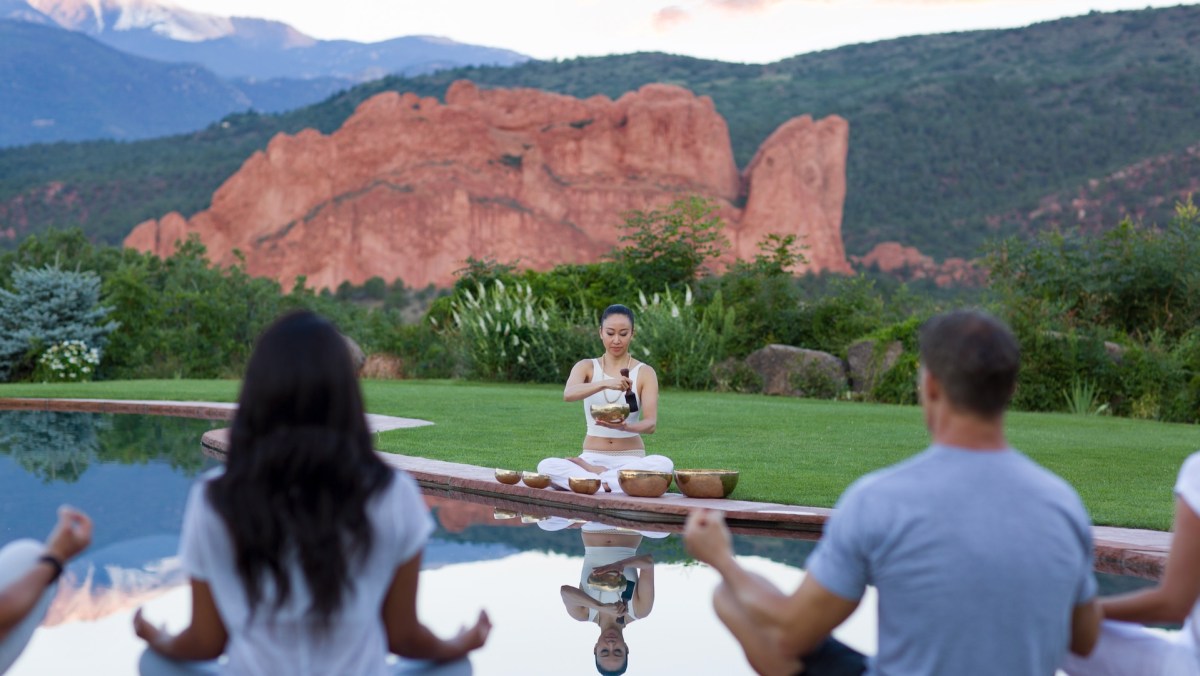
Top Eco-Friendly Colorado Spas of 2026
Colorado has many spas embracing sustainable practices. Here are ten leading the way with meaningful initiatives. 'Eco-friendly' varies by spa, depending on location, size, and focus.
The Broadmoor, Colorado Springs: This iconic resort has implemented a comprehensive sustainability program, including water conservation measures and a focus on locally sourced ingredients in their spa treatments. They've invested in energy-efficient lighting and HVAC systems and actively participate in local conservation efforts. Their spa utilizes organic product lines from companies like Éminence Organic Skin Care, which prioritizes sustainable farming practices.
Gateway Canyons Resort & Spa, Gateway: Situated in a remote desert landscape, Gateway Canyons is deeply committed to preserving the surrounding environment. They employ a greywater recycling system for irrigation, minimizing water waste. Their spa offers treatments using indigenous botanicals and supports local artisans. They also participate in dark sky initiatives to reduce light pollution.
The Ritz-Carlton, Bachelor Gulch, Avon: This luxury resort focuses on minimizing its environmental footprint through waste reduction and energy conservation. They’ve partnered with local farms to source organic produce for their spa café and treatments. The spa offers a range of treatments utilizing natural and organic products, and they prioritize responsible waste management.
Remède Spa at The St. Regis Aspen Resort, Aspen: Remède Spa has implemented several sustainable practices, including a robust recycling program and the use of eco-friendly cleaning products. They carefully select product lines that align with their sustainability values, such as those from Aromatherapy Associates, known for their ethical sourcing. They also participate in local environmental initiatives.
Spa at Four Seasons Resort Vail, Vail: This spa emphasizes holistic wellness and sustainability. They utilize water-efficient fixtures and participate in energy conservation programs. They’ve also partnered with local organizations to support environmental education and conservation efforts. Their product selection focuses on natural and organic ingredients.
The Innsbruck Aspen, Aspen: A smaller, boutique spa, The Innsbruck is dedicated to organic and sustainable practices. They exclusively use organic skincare lines and prioritize locally sourced ingredients whenever possible. They also minimize waste through reusable containers and a commitment to recycling. Their focus is on providing a truly natural spa experience.
Devil’s Thumb Ranch Resort & Spa, Tabernash: Located in the mountains, this ranch focuses on responsible tourism and environmental stewardship. They have implemented energy-efficient building practices and utilize renewable energy sources. Their spa offers treatments using natural and organic products, and they emphasize the connection between wellness and nature.
Element 47 Spa at The Little Nell, Aspen: This spa is committed to reducing its environmental impact through responsible sourcing and waste reduction. They prioritize organic and natural products and support local businesses whenever possible. They also focus on water conservation and energy efficiency.
The Woodhouse Day Spa - Denver: Even urban spas are getting involved. The Woodhouse in Denver has made strides in reducing single-use plastics and sourcing eco-friendly products. They also actively promote sustainable practices to their clients, educating them about the importance of environmental wellness.
Nourish Your Skin and the Planet: Top Eco-Friendly Massage Oils & Lotions

Formulated with blackthorn blossom extract · Certified Natural by NATRUE · Promotes skin elasticity and firmness
This toning body oil from Dr. Hauschka utilizes sustainably sourced blackthorn blossom extract to support skin elasticity, aligning with eco-conscious spa practices.

Contains arnica extract · Certified Natural by NATRUE · Ideal for pre and post-activity muscle care
Weleda's Arnica Massage Oil, certified by NATRUE, uses arnica extract to soothe muscles, making it a natural choice for active wellness routines in Colorado spas.

Bakuchiol as a retinol alternative · Formulated with cold-pressed botanical oils · Vegan and cruelty-free
Acure's Radically Rejuvenating Serum offers a vegan and plant-based alternative to retinol with bakuchiol, fitting perfectly into green beauty and wellness offerings.

Intensely hydrating shea, cocoa, and kukui nut butters · Nourishes and softens skin · Free from parabens, phthalates, and synthetic fragrances
Alba Botanica's Whipped Body Butter provides deep hydration with natural butters like shea and kukui nut, offering a clean and effective skincare option for eco-friendly spas.
As an Amazon Associate I earn from qualifying purchases. Prices may vary.
Green Massage Techniques: Beyond Organic Oils
Sustainability in massage therapy goes beyond organic oils and lotions. Therapists are exploring techniques that minimize environmental impact, focusing on reducing water usage or disposable materials.
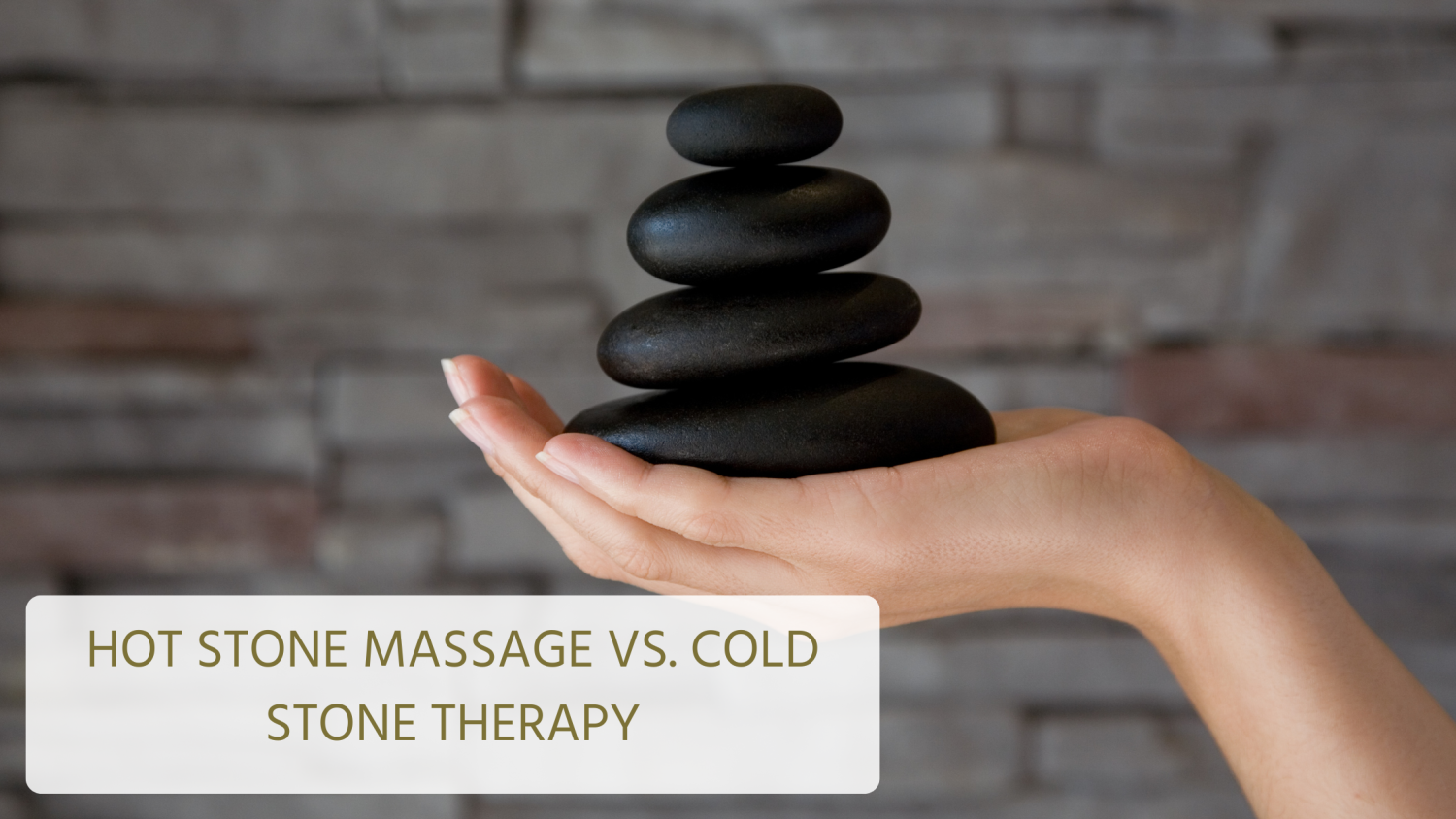
Swedish massage can be adapted to use less lotion or incorporate dry techniques. Therapists are focusing on efficient movements to reduce energy expenditure. Some spas use locally and sustainably sourced stones for heated stone massage.
Interest is growing in Thai massage, which requires no oils or lotions and uses assisted stretching and acupressure. Ashiatsu massage, where therapists use their feet for deep tissue work, can reduce therapist strain and potentially decrease lotion use.
Certifications & What They Actually Mean
Sustainability certifications can be confusing. A spa claiming to be eco-friendly doesn't always mean it is. Understanding what certifications verify is crucial to avoid greenwashing. Several certifications apply to Colorado spas.
Green Spa Network (GSN) membership is a common one. Membership signifies a commitment to sustainable practices, but it doesn't involve a rigorous third-party audit. It’s more of a self-assessment and pledge to uphold certain principles. LEED (Leadership in Energy and Environmental Design) certification is a more comprehensive and verifiable standard, focusing on building design and operation. Achieving LEED certification demonstrates a significant investment in sustainability.
Organic product certifications (like USDA Organic) verify that products are made with organically grown ingredients. However, this doesn't necessarily mean the entire production process is sustainable – it only applies to the ingredients themselves. It’s important to look for certifications that address the entire supply chain. Checking for certifications like B Corp, which assesses a company's social and environmental performance, can also be useful.
Comparison of Eco-Friendly Spa Certifications
| Certification | Scope | Verification Process | Consumer Recognition | Strengths | Weaknesses |
|---|---|---|---|---|---|
| Green Spa Network | Broad - encompasses resource conservation, community involvement, and employee education. | Self-assessment with member review and potential site visits. Focus on continuous improvement. | Growing, particularly among environmentally conscious consumers. Recognized within the spa industry. | Holistic approach, emphasizes ongoing sustainability efforts, strong community. | Verification relies heavily on self-reporting; may lack the rigor of third-party certifications. |
| LEED (Leadership in Energy and Environmental Design) | Primarily building design, construction, and operation. Can apply to entire spa facilities. | Third-party verification by Green Building Certification Institute (GBCI). Detailed documentation and on-site inspections. | High, widely recognized as a benchmark for sustainable buildings. Applicable beyond the spa industry. | Rigorous, objective standards. Focuses on tangible building performance. | Can be expensive and complex to achieve. May not cover all aspects of spa sustainability (e.g., product ingredients). |
| USDA Organic (for products used) | Specifically focuses on the organic ingredients and production of products used in treatments (oils, lotions, etc.). | Third-party certification by USDA-accredited certifying agents. Annual inspections and audits. | Good, especially among consumers seeking natural and organic products. | Ensures ingredient integrity and supports sustainable agriculture. | Limited scope - only addresses product ingredients, not overall spa operations. |
| EcoCert (for products used) | Similar to USDA Organic, focuses on the organic and natural origins of products. | Third-party certification with varying levels of stringency. Annual inspections. | Moderate, gaining recognition internationally, particularly in Europe. | Offers a range of certifications to suit different product types and levels of natural content. | Can be less well-known than USDA Organic in some markets. |
| Green Seal | Covers a variety of product and service categories, including cleaning products and building materials often used in spas. | Third-party certification based on lifecycle assessment. Rigorous standards and independent verification. | Moderate, recognized by environmentally conscious consumers and procurement professionals. | Comprehensive lifecycle assessment. Focuses on environmental impact reduction. | May not be specifically tailored to the unique aspects of the spa experience. |
| B Corp Certification | Evaluates a company’s overall social and environmental performance, including its impact on workers, community, and the environment. | Rigorous assessment process, including a B Impact Assessment and verification by B Lab. | Increasingly recognized by consumers and investors as a sign of social and environmental responsibility. | Holistic assessment of business practices, demonstrates commitment to positive impact. | Can be a lengthy and complex certification process. Not specifically focused on spa services. |
Qualitative comparison based on the article research brief. Confirm current product details in the official docs before making implementation choices.
Water Conservation in Colorado Spas
Colorado's water challenges make conservation important for spas. The Colorado Department of Public Health and Environment has regulations for swimming pool maintenance that impact spa facilities. Spas are adopting strategies to minimize water usage.
Low-flow fixtures in showers and restrooms are effective. Some spas invest in greywater recycling systems for irrigation. Therapies requiring less water, like dry brushing and aromatherapy, are gaining popularity. Responsible pool maintenance, including proper filtration and covering pools, is vital.
Spas are offering 'hydrotherapy' experiences focused on mindful water usage, such as shorter showers or more efficient treatments. Educating guests about water conservation is also common, encouraging participation in reducing water waste.
Standout Spas: Innovation in Sustainability
While all the spas mentioned previously are committed to sustainability, a few are truly pushing the boundaries. Devil’s Thumb Ranch Resort & Spa stands out for its comprehensive approach, integrating sustainable practices into every aspect of its operation, from energy production to waste management.
Gateway Canyons Resort & Spa is another innovator, particularly in its water conservation efforts. Their greywater recycling system is a significant investment and demonstrates a deep commitment to preserving the surrounding desert environment. The Innsbruck Aspen, despite its smaller size, is impressive in its dedication to using exclusively organic products and minimizing waste. They’ve created a truly holistic and sustainable spa experience.
These spas aren't just doing what's required; they're actively seeking out new and innovative ways to reduce their environmental impact and contribute to a more sustainable future. They serve as excellent examples for other spas in Colorado and beyond.
Finding Your Perfect Eco-Friendly Escape
When booking an eco-friendly spa experience in Colorado, ask questions about their sustainability practices, including product sourcing, water and energy conservation, and waste reduction programs.
Check spa websites for certifications and sustainability initiatives. Look for spas supporting local communities and prioritizing ethical sourcing. Use resources like the Green Spa Network website (greenspanetwork.org) to find certified spas in Colorado, or search for businesses on sustainable tourism websites.
undefined help support spas that are committed to protecting our planet.

No comments yet. Be the first to share your thoughts!