

Heat & Cold: A Colorado Tradition?
Colorado has long been a destination for those seeking natural healing. From the Ute tribes utilizing hot springs for centuries to the state’s current embrace of outdoor adventure, the connection between well-being and the environment runs deep. It’s not surprising, then, that both hot stone massage and cold therapy have found a strong foothold in Colorado’s thriving spa scene. Both techniques address muscle tension and recovery, but they approach it from opposite ends of the temperature spectrum.
We see a lot of demand for both services, especially from active individuals. Whether it’s a hiker recovering from a challenging climb or a skier soothing sore muscles, Coloradans are proactive about their physical health. This article isn’t about declaring one treatment 'better' than the other. Instead, we’ll explore the benefits of each, the science behind them, and where you can experience them at some of Colorado’s best spas.
The popularity of these treatments reflects a growing understanding of how our bodies respond to temperature. It’s about finding what works best for your specific needs. Sometimes, that’s the soothing warmth of heated stones, and other times, it's the invigorating chill of cold therapy. The goal is always the same: to feel your best.
Hot Stone Massage: Ancient Roots, Modern Benefits
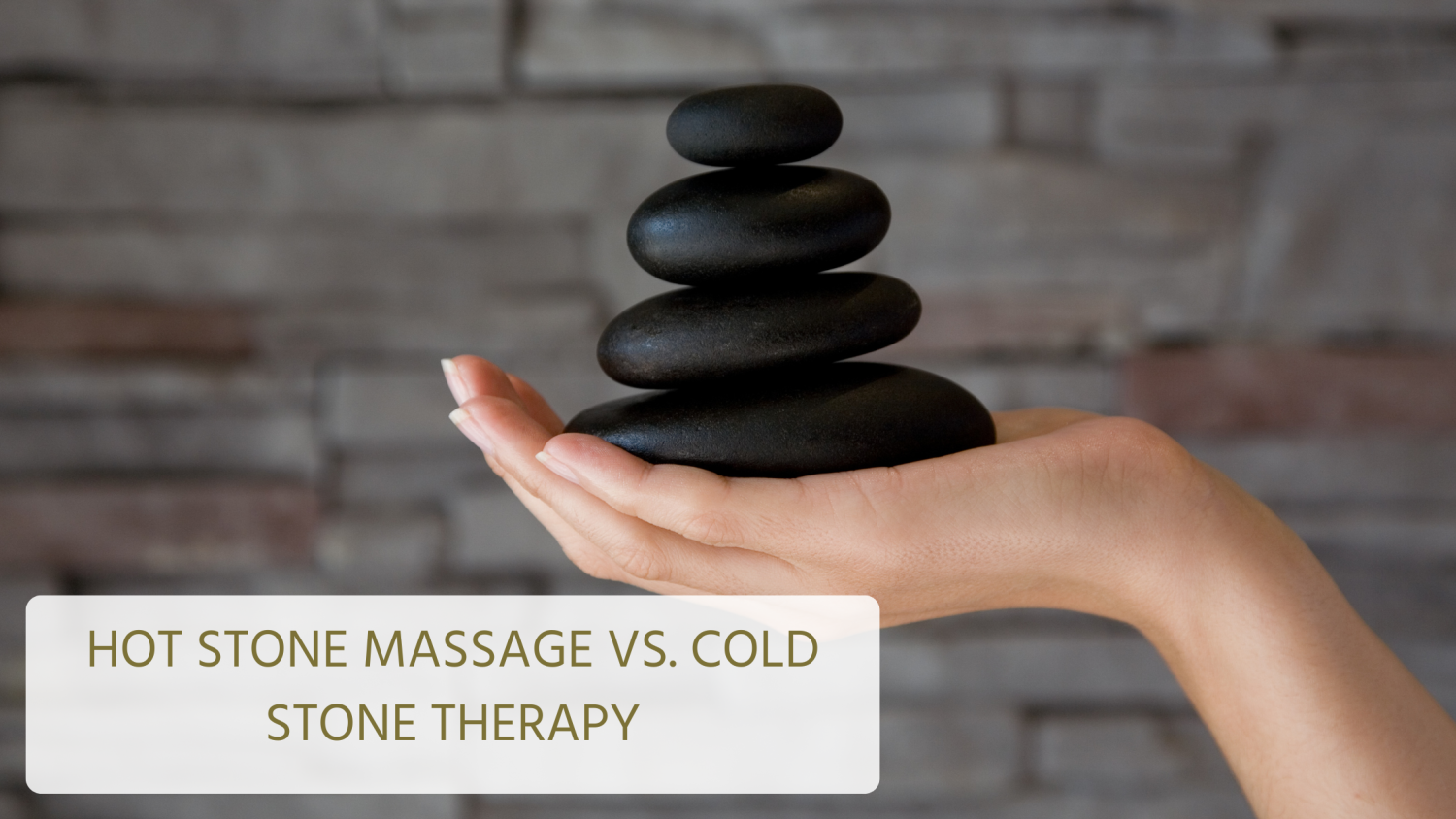
Hot stone massage isn’t a new fad; it boasts a history stretching back thousands of years. While often associated with Native American traditions – specifically, the use of heated river rocks for medicinal purposes – the exact origins are debated. What’s clear is that the practice of applying heated stones to the body for therapeutic effect has been around for a very long time.
Today, hot stone massage typically utilizes smooth, flat basalt stones. Basalt is a volcanic rock known for its heat-retaining properties. These stones are heated to a comfortable temperature, usually between 110 and 130 degrees Fahrenheit, and then strategically placed on key points of the body – along the spine, in the palms of the hands, and between the toes – or used by the massage therapist to perform strokes.
The heat from the stones works to relax muscles, increase circulation, and reduce pain. It's a deeply soothing experience. Many people find hot stone massage particularly effective for relieving muscle soreness, reducing stress and anxiety, and improving sleep quality. It can also be beneficial for those with fibromyalgia or arthritis, although it’s always best to check with your doctor first.
Beyond simple relaxation, hot stone massage can address specific issues. Therapists often use the stones to target areas of tension, like tight shoulders or a stiff neck. The warmth helps to loosen the muscles, allowing for deeper, more effective massage work. It’s a surprisingly versatile technique and can be tailored to individual needs.
The Science of Heat: Why Hot Stone Works
The benefits of hot stone massage aren't just anecdotal. There’s a solid physiological basis for why it works. The primary mechanism is vasodilation – the widening of blood vessels. Heat causes blood vessels to expand, increasing blood flow to the treated area. This increased circulation delivers oxygen and nutrients to the muscles, promoting healing and reducing inflammation.
This vasodilation can also help to relieve muscle spasms. When muscles are tight and constricted, blood flow is restricted. By increasing blood flow, heat helps to relax the muscles and reduce spasms. For people experiencing chronic pain, this can provide significant relief. Some research, including a study published in the Journal of Alternative and Complementary Medicine (2012), suggests hot stone massage can be effective in reducing lower back pain.
However, it’s important to note that the research on hot stone massage is still relatively limited. While the existing studies are promising, more robust, large-scale trials are needed to confirm these findings. It’s also crucial to understand that hot stone massage isn't a cure-all. It’s best used as part of a comprehensive approach to health and wellness.
The warmth also impacts the nervous system, promoting a sense of calm and relaxation. This can be particularly beneficial for individuals struggling with stress or anxiety. It’s a holistic approach that addresses both the physical and mental aspects of well-being.
- Increased blood flow
- Muscle relaxation
- Reduced muscle spasms
- Pain relief
- Stress reduction
Conditions Hot Stone Massage *May* Help With
- Muscle Pain: Hot stones can help relax tense muscles and ease discomfort. Consult your doctor first to determine if hot stone massage is appropriate for your specific condition.
- Stress & Anxiety: The warmth of the stones and the massage itself can promote relaxation and reduce feelings of stress and anxiety. Consult your doctor first if you have underlying anxiety disorders.
- Poor Circulation: Heat can help dilate blood vessels, potentially improving circulation. Consult your doctor first, especially if you have conditions like peripheral artery disease.
- Fibromyalgia Symptoms: Some individuals with fibromyalgia find that hot stone massage can temporarily alleviate pain and muscle stiffness. Consult your doctor first to discuss if this is a suitable therapy.
- Chronic Pain Management: While not a cure, hot stone massage may be used as a complementary therapy to help manage chronic pain. Consult your doctor first to integrate it into your pain management plan.
- Muscle Spasms: The heat can help to reduce muscle spasms and cramping. Consult your doctor first to ensure it won't interfere with any existing treatment.
Cold Therapy: Beyond the Ice Pack
While hot stone massage focuses on warmth, cold therapy takes the opposite approach. It's been a staple in sports medicine for decades, but its benefits extend far beyond athletic recovery. Cold therapy encompasses a range of methods, from simple ice packs and cold compresses to more advanced techniques like cryotherapy.
Cryotherapy comes in two main forms: whole-body cryotherapy (WBC), which involves brief exposure to extremely cold, dry air (typically around -110°C to -140°C), and localized cryotherapy, which targets specific areas of the body with cold air or probes. Ice baths, while less technologically advanced, are another common method of cold exposure. You can even find portable cold therapy devices for home use.
The immediate physiological response to cold is vasoconstriction – the narrowing of blood vessels. This reduces blood flow to the treated area, which helps to minimize inflammation and swelling. It also has a numbing effect, providing temporary pain relief. This makes cold therapy particularly effective for acute injuries, such as sprains, strains, and bruises.
Cold therapy isn’t just for injuries. It’s also widely used for post-exercise recovery, reducing muscle soreness and inflammation. Many athletes swear by ice baths after intense workouts. Its applications continue to expand as we.
Why Cold Feels Good (Even When It Doesn't)
The initial sensation of cold therapy isn't always pleasant, but the long-term benefits can be substantial. One of the primary ways cold therapy works is by reducing inflammation. Inflammation is a natural response to injury or stress, but chronic inflammation can contribute to a variety of health problems.
Cold exposure also triggers the release of endorphins, natural pain relievers produced by the body. These endorphins can help to counteract the discomfort of the cold and provide a sense of well-being. This is why you might feel a rush of euphoria after a cold plunge or cryotherapy session.
For athletes, cold therapy can help to reduce delayed-onset muscle soreness (DOMS), the muscle pain that typically develops 24-72 hours after intense exercise. By reducing inflammation and muscle damage, cold therapy can speed up recovery and allow you to train harder. However, it's important to use cold therapy correctly to avoid cold injuries, such as frostbite.
Controlled exposure is key. Prolonged or excessive exposure to cold can be harmful. It's generally recommended to limit cold therapy sessions to 10-15 minutes at a time, and to always listen to your body. If you experience any numbness, tingling, or pain, stop immediately.
Colorado Spas: Hot Stone & Cold Options
Colorado offers a wealth of spas providing both hot stone massage and cold therapy options. Here are a few examples, showcasing the variety available across the state. Prices are approximate and subject to change.
The Broadmoor (Colorado Springs): A luxury resort offering hot stone massage alongside access to their spa’s hydrotherapy circuit, including cold plunges. Massage prices start around $200.
Remède Spa at The St. Regis Aspen Resort (Aspen): Known for its sophisticated treatments, Remède Spa features hot stone massage and cryotherapy sessions. Expect to pay $250+ for a massage and $150+ for cryotherapy.
The Oxford Club, Spa & Salon (Denver): This Denver spa offers both traditional hot stone massage and localized cryotherapy for targeted muscle relief. Massages range from $150-$220, and cryotherapy is around $75 per session.
Gateway Canyon Resort & Spa (Gateway): Nestled in the mountains, this resort provides hot stone massage and access to outdoor cold plunges. Massage prices start around $180.
Devil’s Thumb Ranch Resort & Spa (Tabernash): Offers hot stone massage and access to a sauna and cold plunge pool. Massages start around $175.
Spa at Four Seasons Resort Vail (Vail): Provides hot stone massage and offers access to oxygen lounge and other recovery modalities that complement cold exposure benefits. Massage prices start around $225.
Featured Products

Variety pack with multiple shapes and sizes · Reusable for hot or cold therapy · Suitable for various injuries
These versatile gel packs offer convenient, on-demand hot or cold therapy for targeted pain relief and recovery at home.
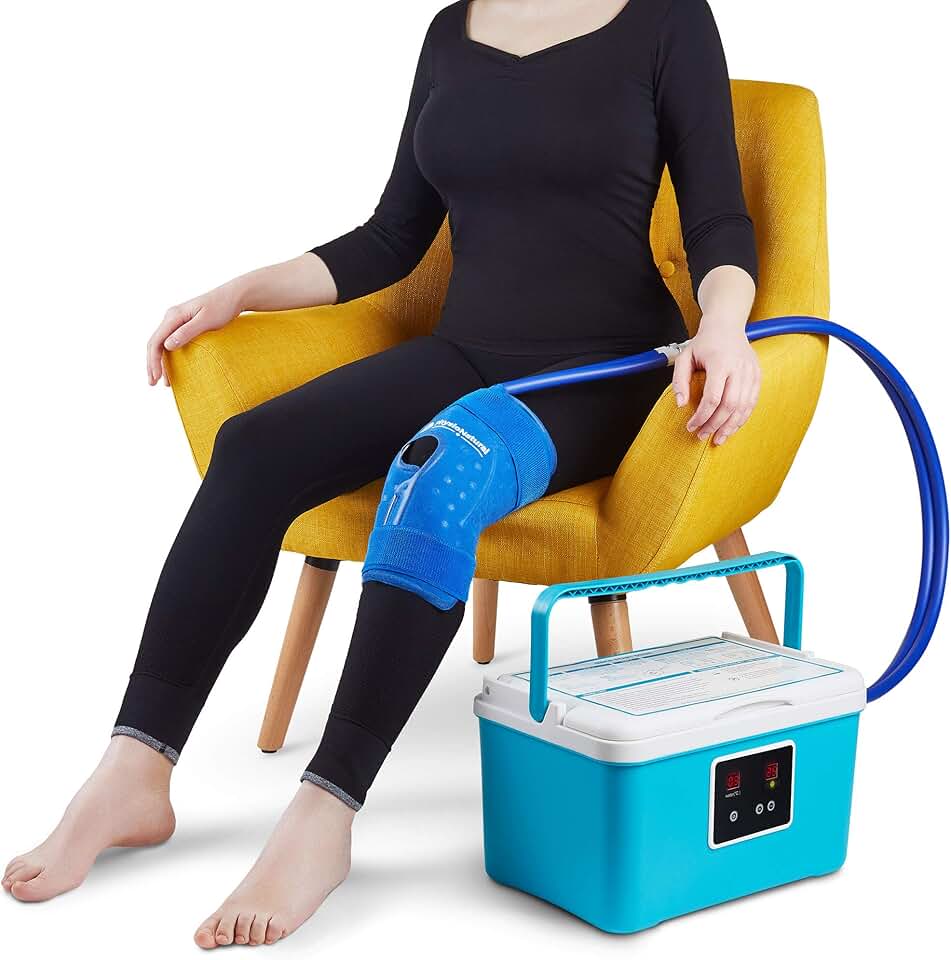
Programmable continuous cryotherapy system · Adjustable knee pad for customized fit · Designed for post-operative swelling and injuries
This advanced cold therapy machine provides consistent, controlled cooling for effective recovery from knee surgery, sprains, and other injuries.

Compression sleeve design for enhanced support · Reusable gel packs for cold therapy · Provides relief for meniscus tears, ACL/MCL pain, and post-surgery recovery
This wrap-style ice pack offers targeted cold therapy and compression, ideal for knee injuries and post-surgical recovery without the need for a machine.
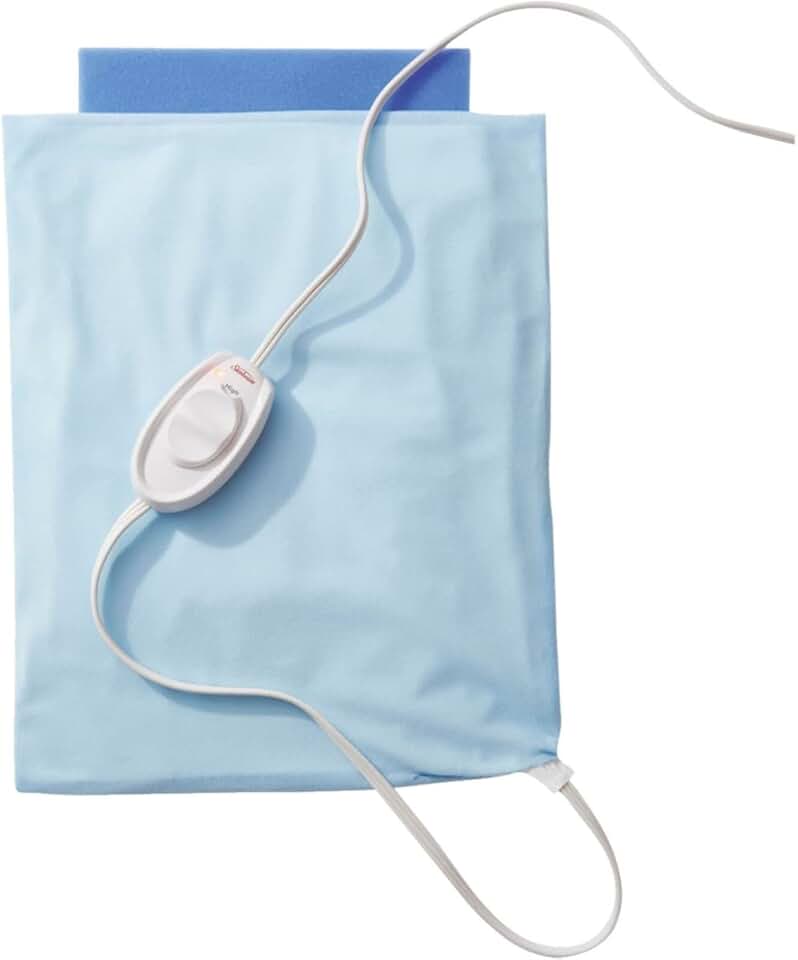
Standard size heating pad · Provides consistent heat therapy · Suitable for muscle aches and stiffness
This standard heating pad delivers soothing warmth to alleviate muscle aches, stiffness, and promote relaxation.

Compression sleeve design for enhanced support · Reusable gel packs for cold therapy · Provides relief for meniscus tears, ACL/MCL pain, and post-surgery recovery
This wrap-style ice pack offers targeted cold therapy and compression, ideal for knee injuries and post-surgical recovery without the need for a machine.
As an Amazon Associate I earn from qualifying purchases. Prices may vary.
Making the Choice: What's Right For You?
So, which treatment is right for you? It depends on your individual needs and preferences. Here's a quick guide to help you decide.
If you're dealing with acute pain from a recent injury, cold therapy is generally the better choice. It will help to reduce inflammation and numb the pain. If you have chronic pain or muscle tension, hot stone massage may be more effective. The heat will help to relax the muscles and improve circulation.
Consider your personal preference. Do you enjoy the feeling of warmth and relaxation? Or do you prefer the invigorating sensation of cold? There's no right or wrong answer. Ultimately, the best treatment is the one that feels most comfortable and effective for you.
It’s also wise to consider your overall health. If you have certain medical conditions, such as cardiovascular disease or diabetes, consult with your doctor before trying either hot stone massage or cold therapy. They can help you determine if these treatments are safe for you. Remember, this information is not a substitute for professional medical advice.
Hot Stone vs. Cold Therapy Massage: Treatment Recommendations
| Condition | Hot Stone Massage | Cold Therapy Massage |
|---|---|---|
| Acute Injury (e.g., sprain, strain) | Not Typically Recommended. Heat can increase inflammation in the initial stages of injury. | Generally Recommended. Cold helps reduce inflammation, swelling, and pain immediately following an injury. |
| Chronic Pain (e.g., arthritis, fibromyalgia) | Generally Recommended. Heat can help relax muscles and ease joint stiffness. Often used as part of a broader pain management strategy. | May Be Helpful. Cold can provide temporary pain relief, but its effects may be shorter-lived than with heat for chronic conditions. |
| Muscle Soreness (Delayed Onset Muscle Soreness - DOMS) | Generally Recommended. Heat promotes blood flow and muscle relaxation, aiding recovery. | May Be Helpful. Cold can reduce inflammation and numb the area, providing temporary relief from soreness. |
| Stress/Relaxation | Generally Recommended. The warmth of the stones is deeply relaxing and can help reduce tension. | May Be Helpful. Cold can have a stimulating effect and may be beneficial for some individuals seeking a refreshing experience, though less commonly used for primary relaxation. |
| Muscle Spasms | Generally Recommended. Heat helps to lengthen muscle fibers and reduce spasm activity. | May Be Helpful. Cold can reduce nerve transmission and potentially decrease spasm intensity, but heat is often preferred for sustained relief. |
| Inflammation | Not Typically Recommended. Applying heat to an inflamed area can worsen the condition. | Generally Recommended. Cold therapy is a primary treatment for reducing inflammation. |
Illustrative comparison based on the article research brief. Verify current pricing, limits, and product details in the official docs before relying on it.
No comments yet. Be the first to share your thoughts!