

Before You Begin: Essential Preparations
Modern massage techniques in Colorado rely on precision and safety, especially when adapting to high-altitude environments or specialized therapeutic needs. Before applying advanced methods like deep tissue friction or effleurage, ensure your workspace and body are ready. Skipping these steps can lead to strained hands or ineffective pressure.
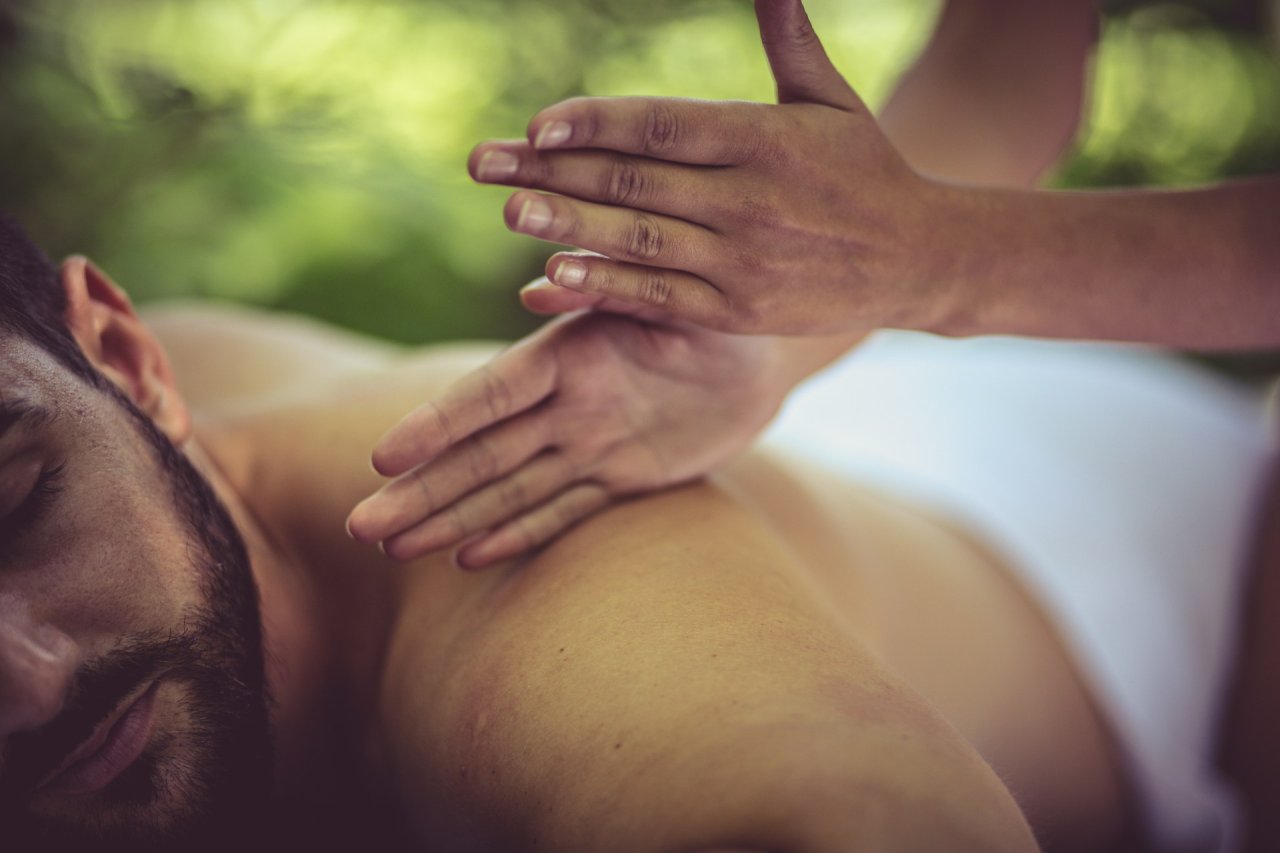
Set Up a Stable Environment Choose a firm, flat surface. A standard massage table works best, but a firm bed with a thick mattress topper is acceptable. The room should be warm (around 72–75°F) to prevent muscle tension from cold. Dim the lights and minimize distractions so your client can fully relax into the treatment.
Prepare Your Hands and Body Your hands are your primary tools. Stretch your wrists and fingers gently for two minutes before starting. Keep your nails short to avoid scratching the skin. Use a high-quality massage oil or lotion—look for hypoallergenic, unscented options if the client has sensitive skin. Avoid petroleum-based products that can stain fabrics or trap heat.
Check for Contraindications Not everyone is a candidate for advanced techniques. Ask about recent surgeries, blood clots, skin infections, or pregnancy. If any red flags appear, stick to gentle effleurage or skip the session. Safety always outweighs technique depth. When in doubt, consult a licensed massage therapist or physician before proceeding.
Build the outfit
Modern massage relies on five foundational techniques: effleurage, petrissage, friction, vibration, and tapotement. These moves form the core of relaxation therapy. You can learn them quickly, but mastering the pressure and rhythm takes practice. Start by stretching your hands and wrists to prevent strain during long sessions.
Effleurage
Effleurage uses long, gliding strokes to warm up the muscles. It is the foundation of most relaxation massages. Apply oil or lotion to reduce friction. Use your palms and thumbs to slide smoothly over the skin. Move in the direction of blood flow, toward the heart. This technique calms the nervous system and prepares the tissue for deeper work. Keep the pressure light and steady. Avoid stopping mid-stroke; maintain a continuous flow to keep the client relaxed.
Petrissage
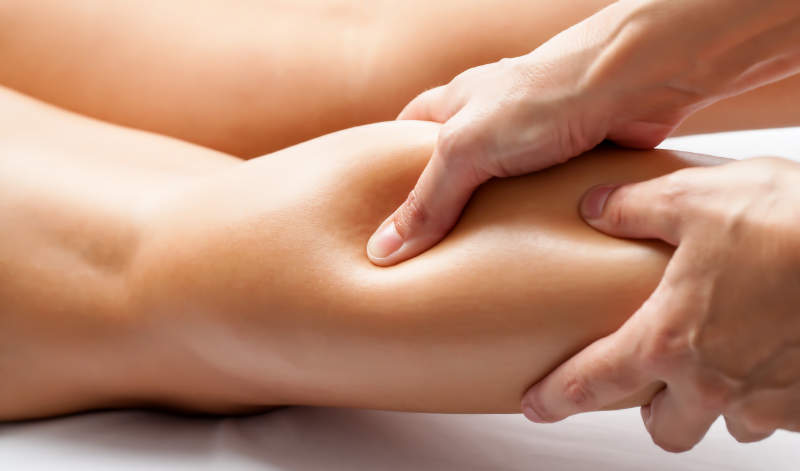
Petrissage involves kneading, lifting, and squeezing the muscles. It helps release tension in deeper tissue layers. Use your fingers and thumbs to pick up the muscle and roll it gently. Think of kneading dough. This movement increases blood flow and helps flush out metabolic waste. Focus on large muscle groups like the shoulders, back, and thighs. Be careful not to pinch the skin. The goal is to manipulate the muscle belly, not the surface. If the client tenses up, lighten your grip immediately.
Friction
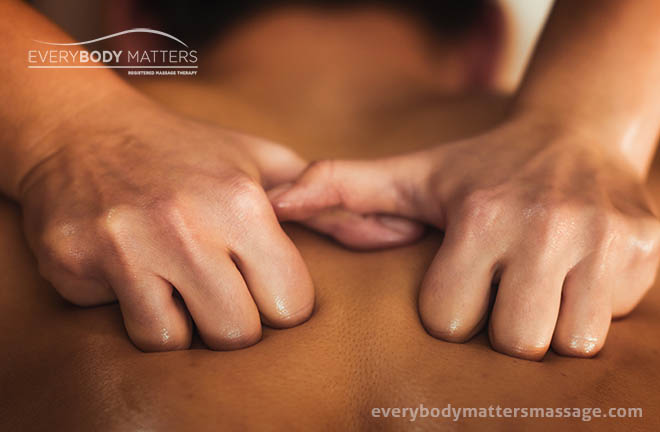
Friction applies deep, circular pressure to specific points. It targets trigger points and adhesions in the fascia. Use your thumbs, elbows, or knuckles to apply concentrated force. Move in small circles or cross-fiber movements. This technique breaks up scar tissue and improves mobility. It can feel intense, so check in with the client frequently. Use friction sparingly and only on areas that need it. Overdoing friction can cause inflammation. Follow up with effleurage to soothe the area.
Vibration
Vibration uses rapid shaking or trembling movements to stimulate nerves. It helps relieve muscle spasms and improve circulation. You can perform this manually by shaking your hand or using a mechanical device. Keep the movements small and fast. Apply it to large muscle groups like the quadriceps or glutes. Avoid using vibration on sensitive areas like the spine or joints. This technique is energizing and can help transition the client out of deep relaxation.
Tapotement
Tapotement consists of rhythmic tapping, hacking, or cupping motions. It invigorates the tissue and stimulates nerve endings. Use the sides of your hands for hacking or cupped hands for percussion. Keep your wrists loose and flexible to generate the rhythm. This technique is often used at the end of a session to awaken the muscles. It should feel brisk and lively, not painful. Avoid tapotement on areas with broken skin or acute inflammation.
Putting it together
Combine these techniques to create a balanced massage sequence. Start with effleurage to warm up, move into petrissage for deep tension, use friction for specific knots, and finish with vibration or tapotement to stimulate. Adjust the pressure and speed based on the client's needs. Always communicate clearly and check for comfort. Practice each technique separately before combining them into a full routine.
Mistakes that flatten the colors
Many beginners treat massage as a series of isolated strokes rather than a continuous flow. This approach creates friction and tension instead of release. The American Massage Therapy Association outlines five core techniques—effleurage, petrissage, friction, vibration, and tapotement—but mastering them requires understanding how they interact. When you rush from one to the next without blending, you disrupt the lymphatic flow and confuse the nervous system.
One common error is using too much pressure too soon. Deep tissue work is not about brute force; it is about precision. Applying heavy pressure on cold, tight muscles can cause micro-tears and inflammation. Always start with light, gliding strokes to warm the tissue and increase blood flow. This preparation allows deeper techniques to be effective without causing trauma. Think of it like heating up an engine before driving at high speed.
Another frequent mistake is ignoring the direction of muscle fibers. Massaging across the grain can create knots rather than resolving them. Effleurage should generally follow the path of venous return, moving toward the heart. Petrissage should mimic the action of kneading dough, lifting and rolling the muscle away from the bone. Following these anatomical cues ensures that you are working with the body’s natural mechanics, not against them.
Finally, many practitioners fail to adjust their technique based on feedback. Massage is a dynamic process. If the client tenses up or breathes shallowly, you are likely too aggressive or moving too quickly. Pause, check in, and modify your approach. The goal is relaxation and healing, not endurance. By avoiding these common pitfalls, you create a smoother, more therapeutic experience that truly relaxes the recipient.
Massage techniques: what to check next
Choosing the right approach depends on your specific pain points and tolerance for pressure. Here are answers to the most common questions about modern massage techniques for relaxation.
Put Beyond the Basics into practice
No comments yet. Be the first to share your thoughts!