

Read the palette first
Use this section to make the Massage Trends in Colorado decision easier to compare in real life, not just on paper. Start with the reader's actual constraint, then separate must-have requirements from details that are merely nice to have. A practical choice should survive normal use, maintenance, timing, and budget. If a recommendation only works in an ideal situation, call that out plainly and give the reader a fallback path.
The simplest way to use this section is to write down the must-have criteria first, then compare each option against those criteria before weighing nice-to-have features.
Build the outfit
Modern massage techniques in Colorado prioritize a blend of traditional Swedish foundations and targeted deep-tissue methods. To replicate these 2026 trends at home or in a clinical setting, you need a specific toolkit. The right equipment supports proper ergonomics for the practitioner and delivers consistent pressure for the recipient.
Start with a high-density foam roller or portable massage table. This provides the stable surface necessary for deep tissue work, ensuring you can apply effective pressure without straining your own back. For self-care, a dense foam roller helps mimic the broad strokes of an effleurage massage, loosening tight fascia before more intense work.
Next, select your primary tool. A wooden massage stick or a contoured massage ball allows for precise application of petrissage techniques. These tools help knead specific muscle groups, such as the trapezius or glutes, offering a level of targeted relief that hands alone might not sustain for long periods.
Finally, incorporate thermal aids. Colorado’s dry climate and high altitude can make muscles tighter than in humid environments. Using a heated gel pack or a warm towel before applying deep tissue techniques helps increase blood flow and pliability, making the subsequent friction and stretching phases more effective and less painful.
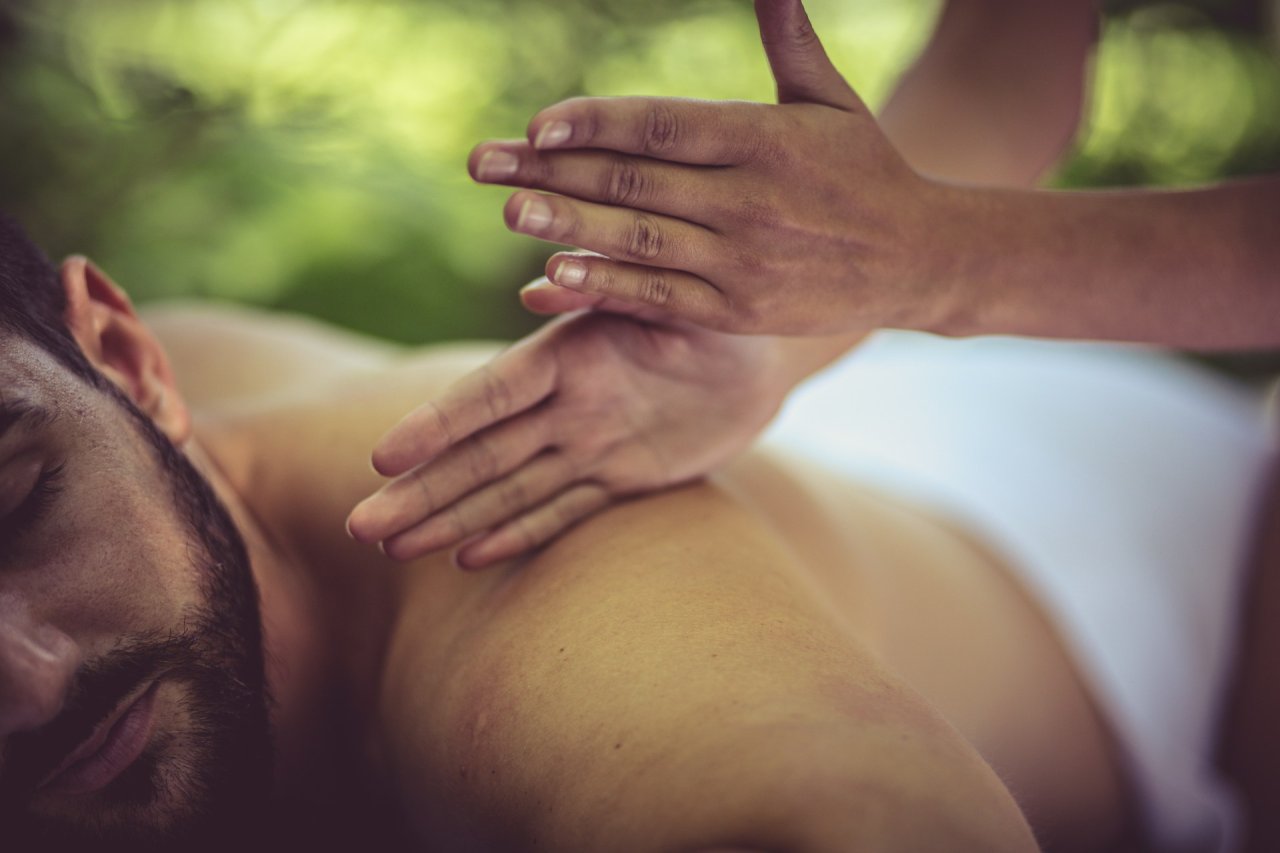
Position a firm, flat surface. If using a portable table, ensure it is level and stable. For floor work, use a thick yoga mat. This foundation is critical for maintaining proper body mechanics and delivering consistent pressure during effleurage strokes.
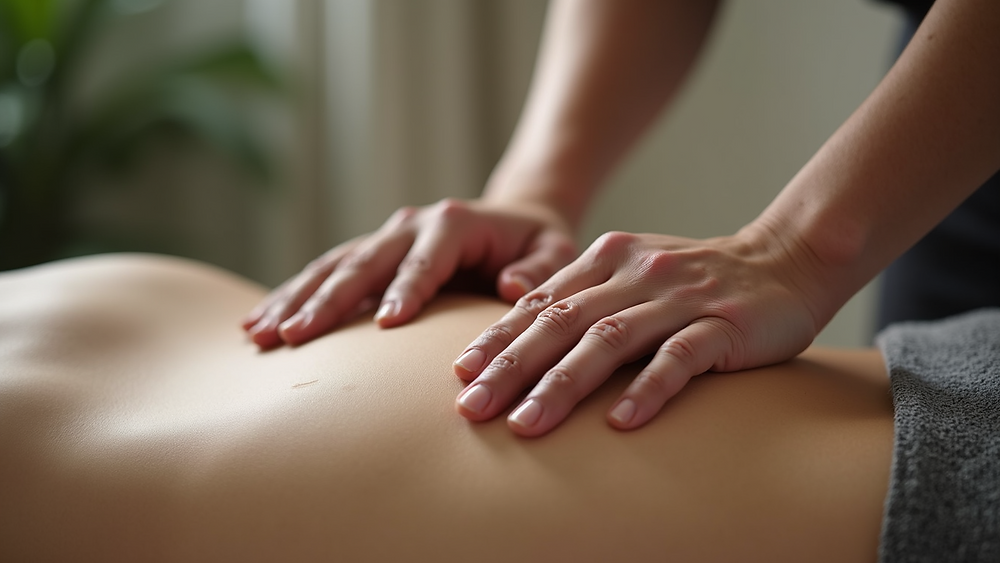
Place a warm gel pack or heated towel on the target area for 5-10 minutes. This step is particularly important in Colorado’s dry climate, as heat helps hydrate the fascia and increases blood flow, preparing the tissue for deeper petrissage and friction techniques.
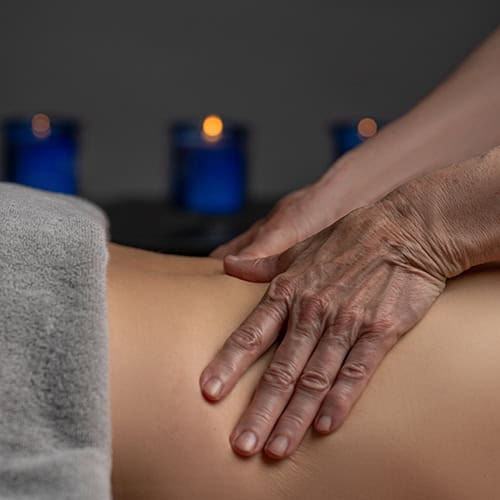
Choose a tool based on the muscle group. Use a large foam roller for broad areas like the back or thighs. Switch to a contoured massage ball or wooden stick for smaller, tighter spots like the shoulders or feet, allowing for precise deep tissue application.
Apply slow, deliberate pressure using your chosen tool. Use petrissage (kneading) to lift and squeeze muscle fibers, followed by friction (circular pressure) to break up adhesions. Keep movements rhythmic to avoid bruising while still achieving deep tissue release.
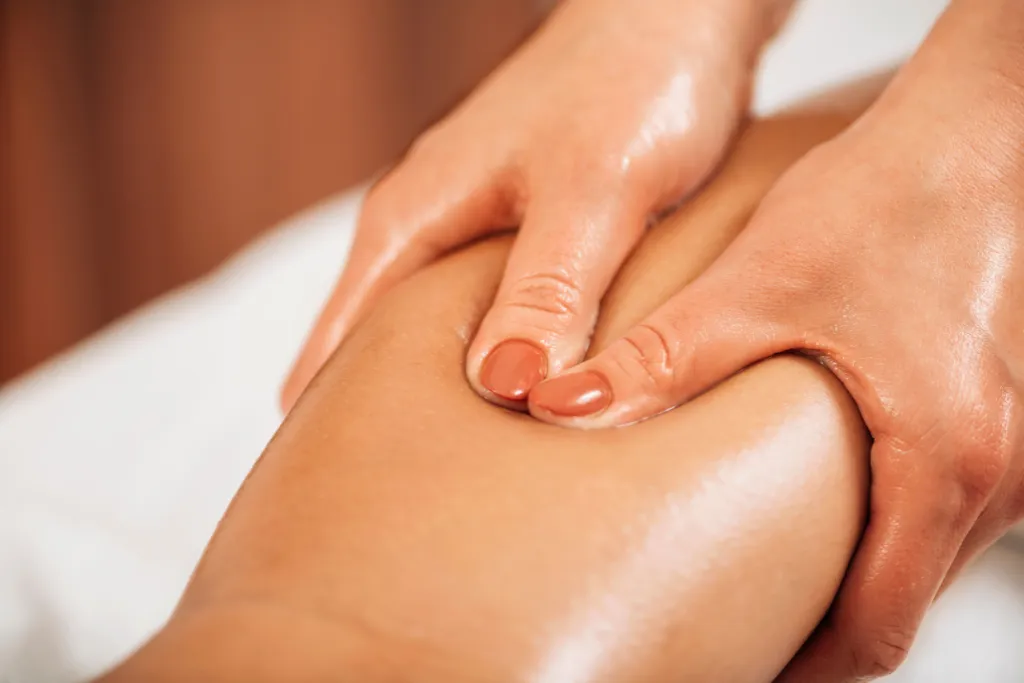
Conclude with light, rhythmic tapping (tapotement) or gentle shaking. This helps reset the nervous system, reduces sensitivity after deep work, and promotes lymphatic drainage, leaving the tissue feeling rejuvenated rather than sore.
Mistakes that flatten the colors
Even with the best tools, a massage can feel flat if the technique misses the mark. The difference between a relaxing session and a restorative one often comes down to avoiding common errors in pressure, rhythm, and muscle engagement.
One frequent mistake is using too much pressure too quickly. Deep tissue work requires patience. If you press hard without warming up the tissue first, the client’s muscles tense up instead of releasing. This creates resistance, not relief. Start with lighter strokes to increase blood flow, then gradually deepen your touch as the tissue softens.
Another error is ignoring the direction of muscle fibers. Strokes should generally follow the grain of the muscle, moving toward the heart to aid circulation. Rubbing against the grain or using erratic, circular motions on large muscle groups can cause micro-trauma and leave the client feeling sore rather than soothed.
Finally, inconsistent rhythm disrupts the nervous system’s ability to relax. Swedish massage, which relies on effleurage (long gliding strokes) and petrissage (kneading), depends on a steady, predictable pace. Rushing through a sequence or varying the speed unpredictably keeps the client’s mind alert. A calm, measured tempo signals safety and allows the body to let go.
Massage techniques: what to check next
No comments yet. Be the first to share your thoughts!