

Colorado's Wellness Shift: Hot & Cold
Colorado's wellness scene is evolving. Beyond outdoor activities, residents and visitors are embracing new health practices. A notable trend is the combination of cryotherapy and hot stone massage, a pairing that might seem unusual but is gaining traction.
The concept involves exposing the body to extreme cold, followed by deep heat. While athletes have long used cold for recovery, combining it with hot stone massage is a newer development. Increased accessibility and more reasonable pricing are making this combination more popular.
2026 is predicted to be a peak year for this trend, driven by several factors. Social media and wellness influencers are increasing awareness. Research supporting the benefits of cryotherapy and massage also contributes. Colorado's status as an innovative wellness hub naturally supports this trend.
Cryotherapy: Beyond the Freeze
Cryotherapy exposes the body to extreme cold for brief periods. Whole-body cryotherapy (WBC) involves standing in a chamber cooled by liquid nitrogen, reaching temperatures as low as -160°F (-89.4°C) for two to three minutes. Localized cryotherapy uses a device to target specific body areas with cold air.
The body's natural response to cold drives cryotherapy's effects. Extreme cold constricts blood vessels, reducing inflammation and swelling. Upon rewarming, vessels dilate, increasing blood flow and delivering oxygen and nutrients. This 'vascular workout' is thought to speed recovery, reduce pain, and boost immunity. A 2017 study in the Journal of Strength and Conditioning Research found WBC reduced post-exercise muscle soreness.
Cryotherapy carries risks, including numbness, tingling, and skin irritation. Frostbite and worsening of existing conditions are rarer but more serious. Individuals with cardiovascular issues, Raynaud's syndrome, nerve damage, or pregnancy should avoid it. Long-term effects are still under study. Liquid nitrogen WBC chambers are more intense than compressed air devices.
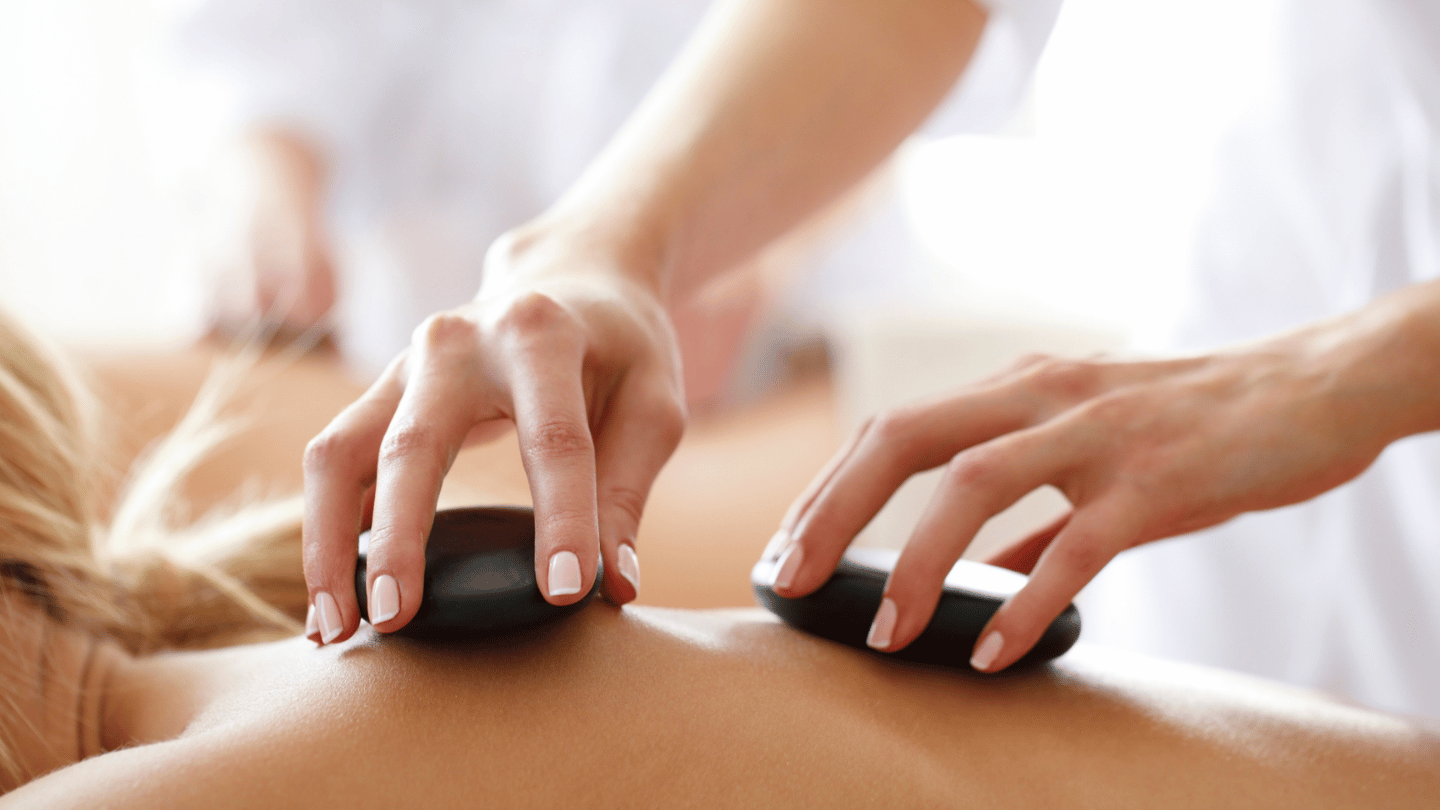
Hot Stone Massage: Ancient Roots, Modern Appeal
Hot stone massage, originating in ancient Chinese medicine, has a history spanning thousands of years. Adopted by Native American cultures, it gained Western popularity in the 1990s. The technique uses smooth, heated stones, usually basalt for its heat retention, placed on specific body points.
The stones' heat relaxes muscles, increases circulation, and eases tension. This warmth penetrates deeper than traditional massage, allowing therapists to work on deeper muscle layers without discomfort. Hot stone massage also reduces stress and promotes mental calm and wellbeing.
While basalt is common, some Colorado spas use river rocks or marble, each with perceived energetic properties. Anecdotal evidence suggests varied healing properties, but scientific backing is limited. The heat itself offers significant therapeutic benefits.
The Synergy: Why Combine Them?
Combining cryotherapy and hot stone massage creates a powerful physiological effect through contrasting temperatures. Cryotherapy causes vasoconstriction, followed by vasodilation upon rewarming. Hot stone massage also promotes vasodilation. This sequence acts as a 'vascular workout,' improving blood flow and deeper healing.
Athletes seeking faster recovery find this combination appealing. Cryotherapy reduces inflammation and soreness, while hot stone massage restores muscle elasticity and range of motion. Individuals with chronic pain, such as arthritis, report significant relief due to increased circulation reducing inflammation and pain.
The contrast impacts the nervous system, with the cold being invigorating and the warmth deeply relaxing. This dual effect can reduce stress, improve sleep, and boost mood. Clients report a profound sense of calm and wellbeing after this treatment, likely due to enhanced circulation.
This approach primes the body for recovery with cold, then facilitates it with heat and massage. It is a holistic method addressing both physical and mental wellbeing.
Experience the Ultimate Chill & Warm: Cryo-Massage Combo in Denver
Colorado Wellness Journeys
Watch on YouTube →✨ Relax. Rejuvenate. Restore. ✨
— The Laillaaa Spa (@TheLaillaSpa) April 14, 2026
Experience deep calm with our Hot Stone Massage at The Laillaaa Spa—where warmth melts away stress and tension. 💆♀️🌿
📞 +91 9187153399 | +91 9187143399
🌐 https://t.co/dOLZ6c0oGO#HotStoneMassage #Relaxation #SpaDay #SelfCare #StressRelief pic.twitter.com/g4STo7eeg2
Colorado Spas Leading the Charge
Several Colorado spas offer innovative cryotherapy and hot stone massage combinations. Broadmoor Cryotherapy in Colorado Springs provides a package including a 60-minute massage, cryo facial, and whole-body cryotherapy session for $89 (as of May 2024). This offers a straightforward approach focused on core benefits.
Goosebumps Cryotherapy in Colorado Springs specializes in cryotherapy and partners with local massage therapists for customized packages, allowing clients to tailor the massage to their needs. Their modern, energetic vibe attracts a younger, fitness-focused clientele.
The Peaks Recovery Center in Boulder caters to athletes and those recovering from injuries with a clinical approach to cryotherapy and massage. They also offer nutritional counseling and other recovery services, with an atmosphere focused on results and rehabilitation.
Remède Spa at The St. Regis Aspen Resort offers a luxurious experience, combining cryotherapy with a signature hot stone massage. This high-end option attracts a discerning clientele. The beautifully designed spa offers other pampering treatments, with premium pricing.
Who Should (and Shouldn't) Try This?
This combination therapy benefits athletes seeking faster recovery, individuals with chronic pain (like arthritis or fibromyalgia), and those seeking stress relief. It can also help people with poor circulation by improving blood flow through alternating temperatures.
It is not suitable for everyone. People with cardiovascular issues like high blood pressure or
It’s crucial to consult with your doctor before trying cryotherapy or hot stone massage, especially if you have any underlying medical conditions. They can assess your individual health risks and advise you on whether this combination therapy is right for you. This isn't a one-size-fits-all solution, and safety should always be the top priority.
- Consult your doctor before starting any new wellness treatment.
- Be aware of contraindications like cardiovascular issues or pregnancy.
- Listen to your body and stop if you experience any discomfort.
Looking Ahead: 2026 and Beyond
I anticipate that the popularity of cryotherapy and hot stone massage combinations will continue to grow in the coming years. As more research emerges supporting the benefits of contrasting therapies, the demand for these treatments will likely increase. We might see spas offering more customized packages, tailored to specific needs and conditions.
The development of at-home cryotherapy devices could also play a role. While these devices are currently expensive and not as powerful as professional-grade equipment, they could become more accessible and affordable in the future. This would allow people to incorporate cryotherapy into their wellness routines more easily.
One question mark is whether insurance companies will start covering these treatments. Currently, most insurance plans do not cover cryotherapy or hot stone massage. However, as the evidence base grows, it’s possible that insurance coverage could become more common, making these therapies more accessible to a wider range of people. I’m not sure about this one, but it is something to watch.
Content is being updated. Check back soon.
No comments yet. Be the first to share your thoughts!