

Burnout's Rising Tide in Colorado
Colorado attracts people with its outdoor lifestyle and thriving job market, but this combination can inadvertently contribute to a culture of overwork and burnout. The state's emphasis on ambition and constant activity, while positive in many ways, can leave individuals feeling perpetually "on" and unable to disconnect. It's a paradox, really – seeking a better life, but finding oneself more stressed in the process.
While comprehensive, statewide statistics are difficult to pinpoint, data from the Divisions of Professions and Occupations (dpo.colorado.gov) indicates a growing awareness of mental health needs and a corresponding increase in licensed therapists across the state. This suggests a rising demand for mental health support, which I believe is directly linked to pressures in the workplace and the desire to maintain an active lifestyle. More people are acknowledging the need for help.
Massage therapy is increasingly being recognized not as a luxury, but as a proactive wellness strategy – a way to mitigate the effects of chronic stress before they escalate into full-blown burnout. It’s about building resilience and creating space for rest and recovery. It's a shift from simply reacting to stress to actively managing it, and Colorado spas are starting to reflect this change.
The Science of Stress & Touch
When we experience stress, our bodies respond with a cascade of physiological changes. Cortisol levels rise, muscles tense, and the nervous system shifts into a state of heightened alert. This is a natural response designed to help us cope with immediate threats, but chronic stress keeps these systems activated for prolonged periods, leading to a host of health problems.
Massage therapy directly counteracts these effects. The physical manipulation of tissues helps to release muscle tension, lower cortisol levels, and calm the nervous system. Perhaps more importantly, massage stimulates the vagus nerve, a key component of the parasympathetic nervous system – often referred to as the "rest and digest" system. This activation promotes relaxation and a sense of well-being.
Research also shows that massage can increase levels of oxytocin, a hormone associated with bonding, trust, and social connection. It’s a powerful antidote to the isolation and anxiety that often accompany burnout. While pinpointing exact biomarker changes is complex, the anecdotal evidence is compelling, and more studies are beginning to quantify these benefits.
Colorado Spas: Expanding Their Mental Wellness Offerings
Across Colorado, spas are responding to the growing need for mental wellness support by expanding their service offerings and integrating a more holistic approach to care. It's not just about offering a deep tissue massage anymore; it's about creating an environment that fosters relaxation, self-awareness, and emotional release.
I spoke with Sarah Miller, owner of The Sanctuary Spa in Boulder, who told me they’ve seen a significant increase in clients specifically seeking stress relief and burnout recovery. 'People are coming in completely depleted,' she shared. 'They're not just looking for a massage; they're looking for a safe space to reconnect with their bodies and find some peace.' To meet this demand, The Sanctuary has added guided meditation sessions and aromatherapy upgrades focused on reducing anxiety.
Further south, at the Remède Spa at The Broadmoor in Colorado Springs, they’ve invested in specialized training for their therapists in mindfulness-based massage techniques. According to spa director, David Jones, “We wanted our therapists to be equipped to not only address physical tension but also to create a more emotionally supportive experience for our guests.” They’ve also begun offering packages that combine massage with access to the resort’s mindfulness programs.
Colorado Massage, LLC in Antonito, as highlighted on their Facebook page, emphasizes the restorative power of sleep, offering massage techniques specifically designed to ease muscle tension and promote restful sleep. This is a smart move, as sleep deprivation is a major contributor to burnout. It’s a smaller operation, but demonstrates the same trend toward addressing the whole person.
Not every spa is making huge investments. Many are simply encouraging therapists to check in with clients more deeply during sessions – asking about stress levels, sleep patterns, and emotional well-being. This small change can make a big difference in creating a more therapeutic experience.
Massage Modalities for Mental Health
While Swedish massage is a wonderful starting point, several other modalities are particularly effective for addressing the physical and emotional manifestations of burnout. The key is understanding how each technique works and choosing the one that best suits your individual needs.
Craniosacral therapy, for example, focuses on releasing restrictions in the cerebrospinal fluid that surrounds the brain and spinal cord. This gentle, non-invasive technique can help to calm the nervous system and reduce tension headaches – common symptoms of stress. Lymphatic drainage massage helps to stimulate the lymphatic system, which plays a crucial role in detoxification and immune function. Removing toxins from the body can support emotional well-being.
Myofascial release addresses the fascia, the connective tissue that surrounds muscles and organs. Restrictions in the fascia can contribute to pain, limited range of motion, and emotional blockages. Trauma-informed massage is a specialized approach that prioritizes safety, consent, and client empowerment. It’s particularly important for individuals who have experienced trauma, as it avoids re-traumatization and promotes healing.
I’m not sure how deeply to get into the technical details of each modality here, but the important thing is to know that there are options beyond traditional Swedish massage. Asking your therapist about their training and experience in these areas is a good starting point.
- Craniosacral Therapy: Calms the nervous system, reduces tension headaches.
- Lymphatic Drainage: Supports detoxification and immune function.
- Myofascial Release: Addresses fascial restrictions and emotional blockages.
- Trauma-Informed Massage: Prioritizes safety and client empowerment.
Massage Modalities for Mental Wellness - A Colorado Spa Overview (2026)
| Best For | Intensity Level | Typical Session Length | Focus (Physical/Emotional) | Cost (Rough Range) |
|---|---|---|---|---|
| Chronic Stress & Muscle Tension | Medium to Firm | 60-90 minutes | Both - addresses physical manifestations of stress while promoting relaxation | $120 - $180+ |
| Anxiety & Panic Disorders | Light to Medium | 60-75 minutes | Primarily Emotional - focuses on calming the nervous system and inducing a relaxation response | $100 - $160+ |
| Depression & Low Mood | Light to Medium | 60-90 minutes | Both - can help release endorphins and address physical stagnation often associated with depression | $110 - $170+ |
| Trauma Recovery (with qualified therapist) | Light to Very Light | 60-75 minutes | Primarily Emotional - requires a trauma-informed therapist and focuses on safe, grounding touch | $130 - $200+ |
| General Relaxation & Burnout Prevention | Light to Medium | 60-80 minutes | Both - promotes overall well-being and helps restore balance | $90 - $150+ |
| Sleep Disturbances | Light | 60-75 minutes | Primarily Emotional - encourages relaxation and reduces mental chatter | $100 - $160+ |
| Grief & Loss | Light to Medium | 60-90 minutes | Primarily Emotional - provides a safe and supportive space for processing emotions | $120 - $190+ |
Illustrative comparison based on the article research brief. Verify current pricing, limits, and product details in the official docs before relying on it.
Beyond the Table: Integrated Wellness Approaches
Many Colorado spas are recognizing that massage is most effective when combined with other wellness practices. This integrated approach addresses the whole person – mind, body, and spirit – and creates a more lasting impact.
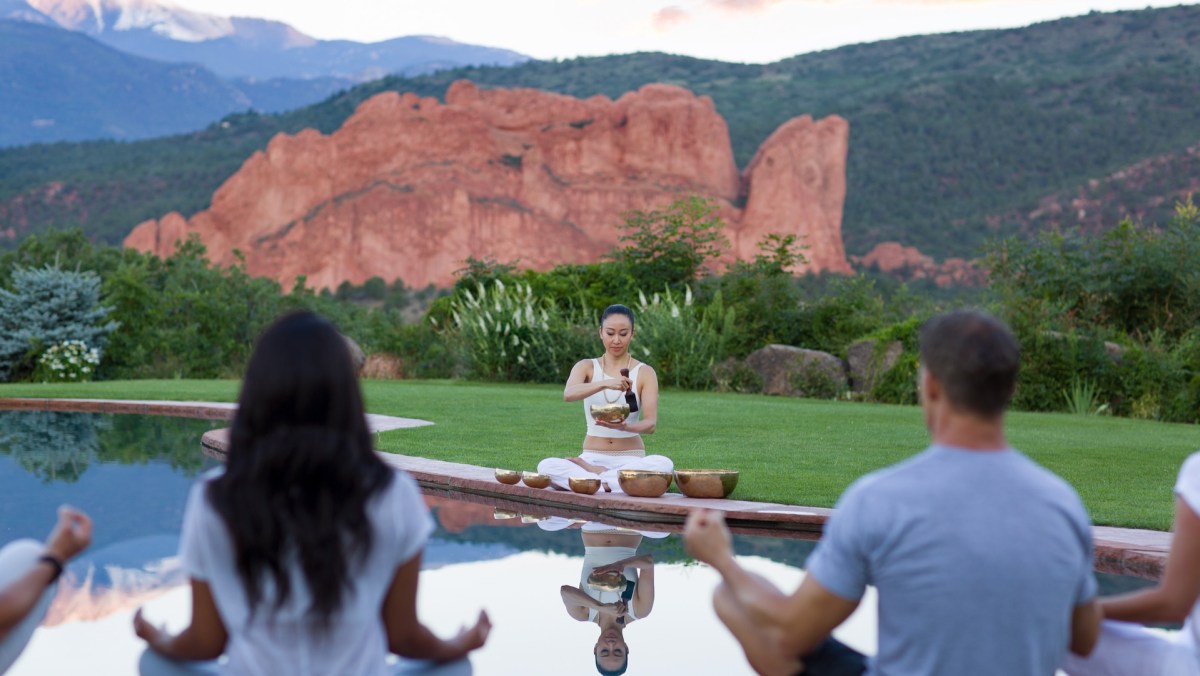
Mindfulness workshops and guided meditation sessions are becoming increasingly common add-ons. These practices help clients to cultivate present moment awareness and develop coping mechanisms for managing stress. Aromatherapy, using essential oils known for their calming and uplifting properties, is another popular addition. Sound healing, using instruments like singing bowls and gongs, can also promote relaxation and emotional release.
Breathwork exercises, which involve conscious control of breathing patterns, are gaining traction as a powerful tool for regulating the nervous system and releasing emotional tension. Several spas are now offering packages specifically designed for burnout recovery that combine massage with these complementary therapies. The goal is to create a synergistic effect, where the benefits of each practice are amplified.
Finding the Right Therapist: Trauma-Informed Care
For individuals experiencing burnout, especially those with a history of trauma, it’s crucial to find a therapist who is trained in trauma-informed care. This approach recognizes the impact of trauma on the body and nervous system and prioritizes safety, consent, and client empowerment.
A trauma-informed therapist will create a safe and supportive environment where you feel comfortable sharing your experiences. They will be mindful of your boundaries and will never push you to do anything you’re not ready for. They will also be skilled in techniques that help to regulate the nervous system and release trauma-related tension.
When searching for a therapist, ask about their training and experience in trauma-informed massage. Look for certifications from reputable organizations. It's perfectly acceptable to schedule a brief consultation to ask questions and get a sense of whether the therapist is a good fit for you. Remember, your safety and well-being are paramount.
- Ask about training: Specifically, trauma-informed massage certifications.
- Prioritize safety: The therapist should create a safe and supportive environment.
- Respect boundaries: They should be mindful of your comfort level.
- Schedule a consultation: Get a feel for their approach and personality.
Cost & Coverage: Navigating the Financials
The cost of massage therapy in Colorado varies depending on the location, modality, and length of the session. Generally, you can expect to pay between $100 and $200 for a 60-minute massage. While insurance coverage for massage therapy is still limited, some plans are beginning to cover it for specific conditions, such as chronic pain or stress-related illnesses.
It’s worth checking with your insurance provider to see if massage therapy is covered under your plan. Some employers also offer massage benefits as part of their employee wellness programs. Additionally, many spas offer sliding scale options or payment plans to make massage more accessible. Don't hesitate to ask about these options.
Looking Ahead: The Future of Wellness in Colorado
I anticipate that the integration of massage therapy with mental healthcare will continue to grow in Colorado. As awareness of the mind-body connection increases, more healthcare providers will recognize the value of incorporating massage into treatment plans. I also expect to see greater demand for specialized modalities, such as trauma-informed massage and craniosacral therapy.
The focus will likely shift towards preventative care, with people seeking massage not just when they’re already burned out, but as a regular part of their self-care routine. Personalized, holistic approaches – tailored to individual needs and preferences – will become the norm. Colorado's wellness scene is poised to become even more sophisticated and responsive to the evolving needs of its residents.
No comments yet. Be the first to share your thoughts!