
Start with these five core strokes
Before moving on to specific body areas or advanced pressure techniques, you need to master the foundational strokes that define professional massage therapy. These five basic massage techniques—effleurage, petrissage, friction, vibration, and tapotement—form the vocabulary of every Swedish massage session and many other modalities. Think of them as the alphabet; once you can write the letters clearly, you can construct the words and sentences of a therapeutic treatment.
Official standards from organizations like the American Therapy Association (ATA) recognize these five movements as the core building blocks of manual therapy. They serve distinct physiological purposes, from warming up tissue to stimulating nerve endings. Learning to execute each stroke with proper body mechanics ensures you can work effectively without straining your own hands or wrists.
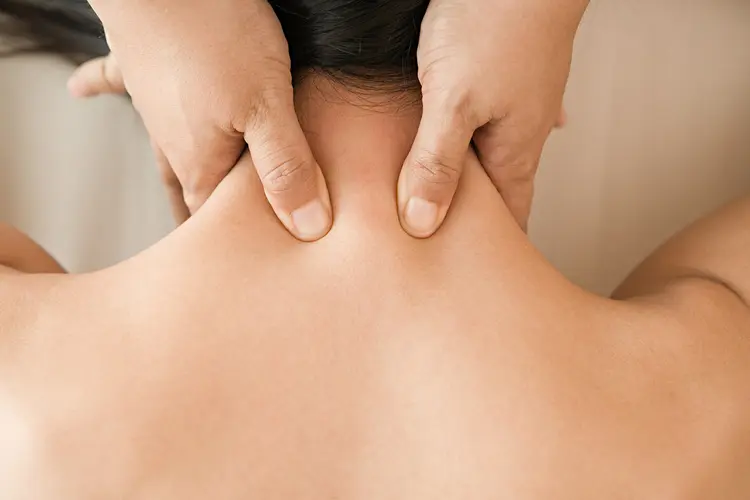
Below is a breakdown of each technique. Keep in mind that the pressure and speed of these strokes will vary depending on the client’s needs and the goal of the session.
Effleurage
Effleurage consists of long, gliding strokes performed with the palms or the heels of the hands. This is typically the opening and closing stroke of a massage. It serves to spread lubricant, establish a rhythm, and gently warm up the superficial muscle layers. Use light to moderate pressure, ensuring your hands remain in constant contact with the skin to maintain a soothing, continuous flow.
Petrissage
Petrissage involves kneading, lifting, and squeezing the muscles. This technique works deeper into the tissue than effleurage, helping to break up adhesions and increase blood flow to specific areas. Imagine picking up a piece of dough and folding it over itself. Perform this motion slowly and rhythmically, targeting muscle bellies rather than joints or bones.
Friction
Friction uses deep, circular or cross-fiber movements applied with the thumbs, fingertips, or elbows. Unlike the broad strokes of effleurage, friction is focused and intense, designed to release tension in specific trigger points or scar tissue. Apply consistent pressure in a small area, moving the skin over the underlying muscle rather than rubbing the skin itself.
Vibration
Vibration is a rapid shaking or trembling motion applied to the body. It can be performed by placing your hands firmly on the muscle and using your forearm muscles to create a trembling effect, or by using a shaking motion with the whole arm. This technique stimulates nerve endings and can help relax tense muscles or prepare the body for deeper work.
Tapotement
Tapotement, or percussion, involves rhythmic tapping, hacking, or cupping movements. These quick, sharp strokes are stimulating and invigorating, often used at the end of a session to perk up the muscles. Use the sides of your hands for hacking, cupped hands for cupping, or fingertips for pincering. Keep movements light and bouncy, avoiding any impact that could cause discomfort or pain.
Practice effleurage for warm-up
Effleurage is the foundational stroke in massage therapy, serving as the gentle introduction to any session. It involves long, gliding movements that help warm up the muscles and prepare the body for deeper work. The primary goal is to promote circulation and help the recipient relax before applying more intensive pressure.
To perform effleurage correctly, follow these steps:
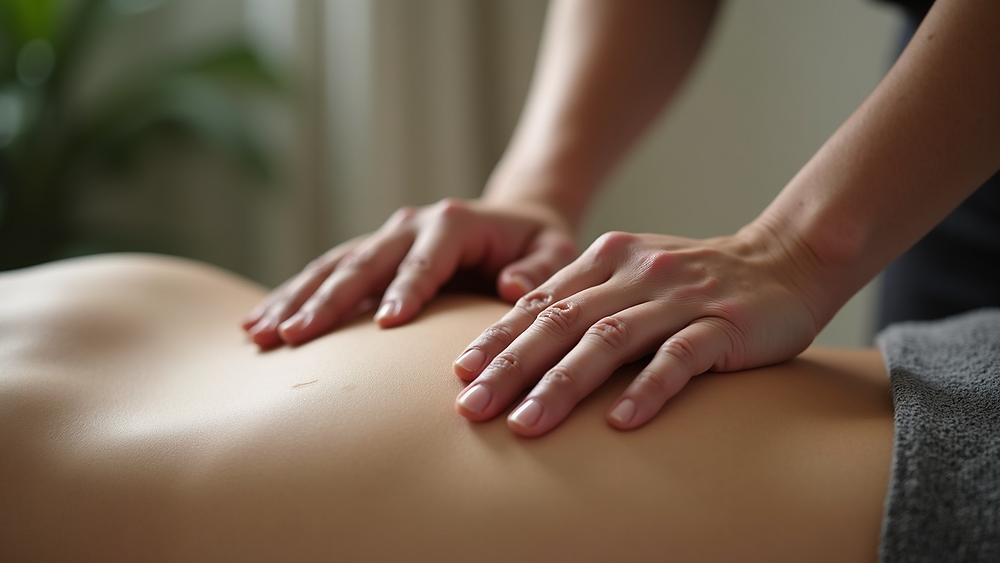
Begin by pouring a small amount of massage oil or lotion onto your hands. Rub your palms together to warm the product, ensuring your hands are slick enough to glide smoothly over the skin without causing friction or discomfort. This lubrication is essential for maintaining the continuous, flowing motion characteristic of effleurage.
Place your hands flat on the body part you are massaging, using your palms and fingers. Start at the end of the area (such as the ankles or wrists) and glide upward toward the heart. Keep your movements slow and steady, allowing your body weight to guide the motion rather than relying solely on arm strength. This directionality supports venous return and lymphatic drainage.
Continue gliding up the body and then return to the starting point using very light pressure. Repeat this cycle several times to establish a rhythm. The pressure should be gentle enough to feel soothing but firm enough to maintain contact with the skin. This repetition helps to evenly distribute the oil and further relax the superficial muscle layers.
Focus on maintaining a consistent pace throughout the stroke. Avoid lifting your hands off the skin until you have completed the full length of the body part. This continuous contact ensures that the warmth generated by the friction helps to increase blood flow to the area, making it an ideal warm-up technique before transitioning to deeper strokes like petrissage or friction.
Use petrissage to release knots
Petrissage is the kneading phase of a massage, designed to lift and squeeze muscle tissue rather than just gliding over it. Think of it like kneading dough: you want to compress the muscle, lift it away from the bone, and then release it. This deeper pressure helps to loosen tight knots, improve circulation, and increase tissue elasticity. Unlike the initial gliding strokes, petrissage requires more physical engagement from your hands and wrists, so keep your movements slow and rhythmic to avoid causing discomfort.
To apply petrissage effectively, follow this sequence of five core strokes:
Place your hands on either side of the muscle group. Lift the tissue upward, away from the bone, and squeeze it gently between your palms. This action helps to separate stuck muscle fibers and encourages blood flow to the area.
Using your thumbs and fingers, roll the muscle tissue in a circular motion. Imagine you are rolling a piece of clay. This rolling motion helps to break up adhesions and relaxes the deeper layers of muscle tension.
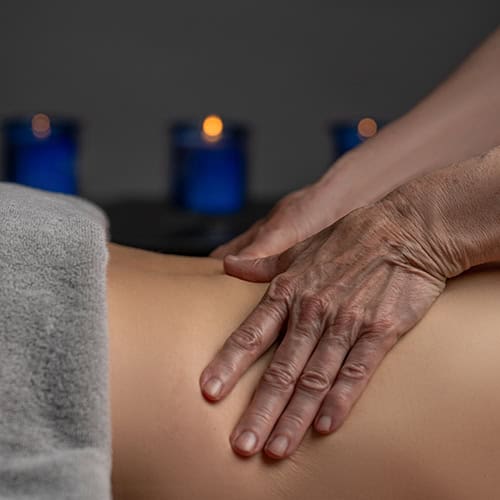
Place your hands on opposite sides of the limb or muscle group. Twist your hands in opposite directions, similar to wringing out a wet towel. Be gentle and avoid twisting too hard, which can cause bruising. This stroke is particularly effective for large muscle groups like the shoulders or calves.
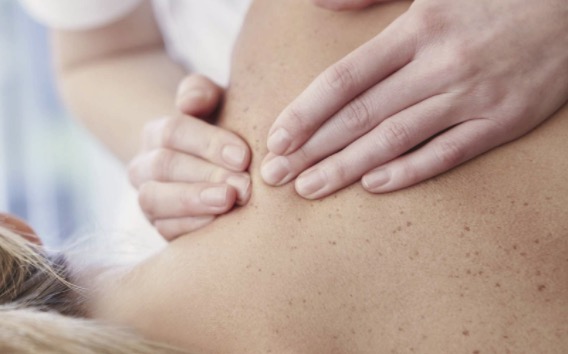
Gently grasp the muscle and lift it slightly off the underlying bone. Give it a few light shakes or jiggles. This helps to loosen the muscle from its attachment points and further improves circulation. It is a soothing technique that many recipients find very relaxing.
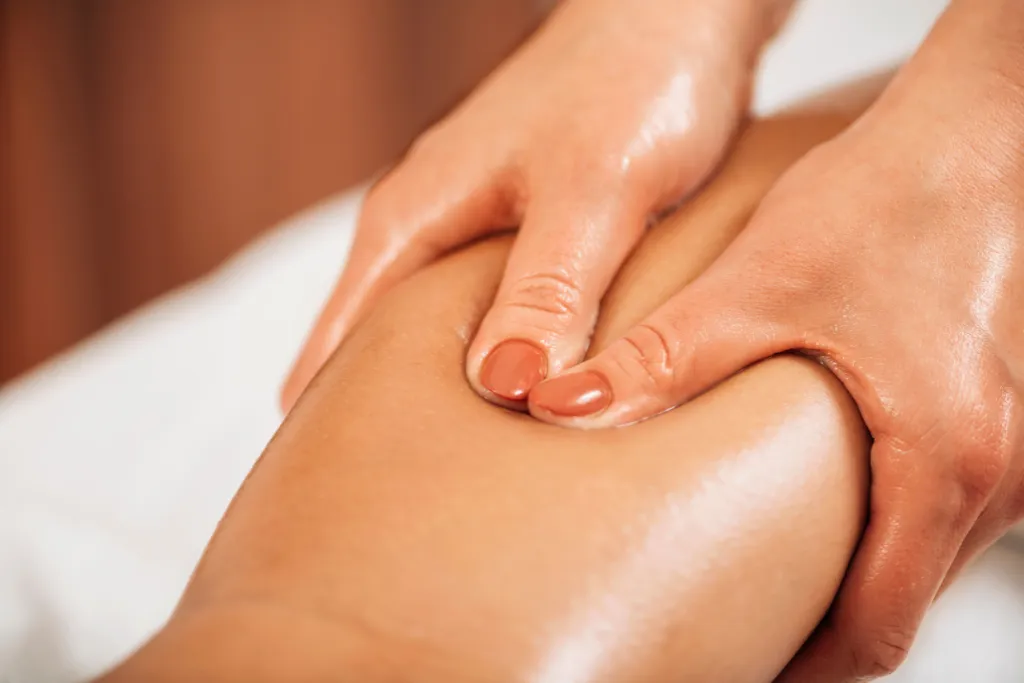
Finally, use your palms or thumbs to press firmly into the muscle, hold for a few seconds, and then slowly release. This static pressure helps to deepen the relaxation response and allows the muscle fibers to fully let go of tension.
Remember to breathe deeply and maintain a steady rhythm. If you encounter a particularly tight knot, slow down and spend more time on that specific area using the lifting and rolling motions. Always check in with your recipient to ensure the pressure is comfortable and effective.
Apply friction for deep tension
Learn Basic Massage Techniques works best as a clear sequence: define the constraint, compare the realistic options, test the tradeoff, and choose the path with the fewest hidden costs. That order keeps the advice usable instead of decorative. After each step, pause long enough to check whether the recommendation still fits the reader's actual situation. If it depends on perfect timing, unusual access, or a best-case budget, include a simpler fallback.
The simplest way to use this section is to write down the real constraint first, compare each option against it, and choose the path that still works outside ideal conditions.
Finish with tapotement and vibration
Tapotement and vibration are the final, energizing strokes in a basic massage sequence. Unlike the deep, slow pressure of petrissage, these techniques use light, rhythmic movements to stimulate circulation and wake up the nervous system. Think of them as the finishing touches that leave the body feeling refreshed rather than relaxed into sleep.
Tapotement: The Tapping Stroke
Tapotement involves percussive movements performed with the sides of your hands, cupped palms, or fingertips. The motion should be bouncy and rhythmic, not pounding. Common variations include hacking (using the ulnar side of the hand) and cupping (using a hollowed palm).
Apply these strokes lightly over large muscle groups like the shoulders or thighs. Avoid bony areas, the spine, or the neck. The goal is to increase blood flow to the surface of the skin, creating a invigorating sensation that contrasts with the deeper work done earlier.
Vibration: The Shaking Stroke
Vibration uses rapid, trembling movements applied with the fingertips or the palm of the hand. You can perform this by shaking your own arm and letting the momentum transfer to the client, or by using a gentle, high-frequency tremor with your fingers.
Place your hands firmly but gently on the muscle belly. The vibration should feel like a buzz rather than a push. This technique helps to soothe nerve endings and can be particularly effective for calming tension in the lower back or calves before concluding the session.
Check your technique with this list
Use this quick self-assessment to ensure your practice is safe, effective, and professional. This checklist covers the essential elements of hygiene, pressure, and flow before you begin a session.
- Hygiene first: Wash hands thoroughly and trim nails to prevent scratches.
- Pressure check: Start light and adjust based on client feedback.
- Oil usage: Apply enough lubricant to reduce friction without slipping.
- Flow continuity: Keep movements smooth and connected, avoiding abrupt stops.
- Aftercare: Ensure the client is comfortable and hydrated after the session.
Common questions about massage strokes
Learning the fundamentals of massage therapy begins with mastering a specific set of foundational movements. While the industry offers dozens of specialized styles, the core toolkit for beginners relies on five primary techniques. Understanding these allows you to adapt to different goals, whether you are focusing on relaxation or addressing muscle tension.
What are the 5 basic massage techniques?
The five essential strokes form the backbone of most massage modalities, particularly Swedish massage. Effleurage uses long, gliding strokes to warm up the tissue. Petrissage involves kneading and lifting the muscles to release tension. Friction applies deep, circular pressure to specific areas. Vibration consists of rapid shaking movements to stimulate nerves. Finally, Tapotement uses rhythmic tapping or cupping motions to invigorate the area.
What are the 12 types of massage techniques?
Beyond the five basics, therapists often combine strokes to create distinct styles. Common types include Swedish, Deep Tissue, Sports, Shiatsu, and Hot Stone massage. Others include Thai, Chair, Prenatal, Aromatherapy, Reflexology, Myofascial Release, and Ayurvedic. Each style prioritizes different combinations of the core strokes to achieve specific therapeutic outcomes.
How to massage in a romantic way?
Romantic massage focuses on connection and atmosphere rather than clinical technique. Start with warm, scented oil and dim lighting to create a calming environment. Use slow, deliberate effleurage strokes along the back and shoulders to establish rhythm. Avoid deep, aggressive pressure; instead, maintain a gentle, flowing touch. The goal is relaxation and intimacy, so keep movements smooth and synchronized with your partner's breathing.
What are the 4 massage techniques?
Some simplified guides group the five basic strokes into four categories by combining similar actions. This often merges vibration and tapotement into a single "percussion" category or omits one less frequently used stroke in basic training. However, standard professional curricula, such as those from the American Massage Therapy Association, recognize the five distinct techniques listed above.
No comments yet. Be the first to share your thoughts!