
The five basic strokes
Understanding the universal vocabulary of massage therapy is essential before exploring specific styles like Swedish or Shiatsu. Almost every technique is built from a core set of five hand movements. Mastering these strokes provides the flexibility to adapt your touch for relaxation, pain relief, or athletic recovery.
Effleurage: The Gliding Stroke
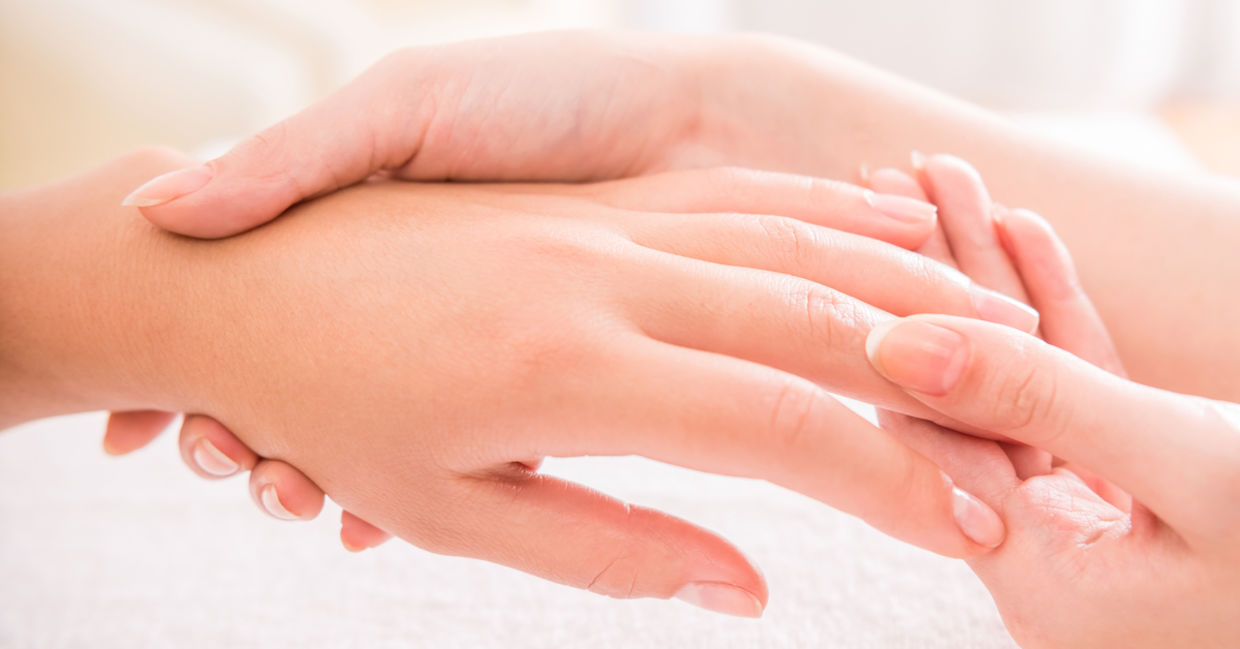
Effleurage is the standard starting point for any massage session. It involves long, smooth, gliding strokes that follow the direction of blood flow back toward the heart. This technique warms up the muscles, promotes circulation, and helps the recipient relax before deeper work begins. In Colorado, where altitude can impact circulation, effleurage is particularly effective for encouraging blood flow to tired legs after a day on the slopes. Use the palms of your hands, keeping your wrists flexible to avoid strain.
Petrissage: The Kneading Stroke
Petrissage involves lifting, squeezing, and rolling the muscle tissue. This movement helps release tension knots and improve tissue elasticity. It is more intense than effleurage and is often used on larger muscle groups like the shoulders, thighs, and calves. When performing petrissage, ensure you are lifting the muscle away from the bone rather than just pressing down on it. This action helps break up adhesions and encourages the release of metabolic waste products trapped in the tissue.
Friction: The Deep Rubbing Stroke
Friction targets specific areas of tension or scar tissue. Instead of gliding over the surface, you apply deep, concentrated pressure using your thumbs, fingertips, or elbows. The movement is small and circular or cross-fiber, designed to create heat and break down adhesions in deeper layers. This technique is crucial for addressing chronic tightness, such as the knot in the trapezius that often forms from poor posture at a desk. Be careful not to rub directly over bones or joints; focus on the muscle belly itself.
Tapotement: The Rhythmic Percussion
Tapotement consists of rhythmic tapping, hacking, or cupping movements. This stimulating technique invigorates the muscles and can help loosen mucus in the chest or energize sluggish tissue. It is often used at the end of a session to "wake up" the muscles. Common variations include hacking with the sides of your hands or cupping your hands to create a hollow, drumming sound. Avoid using this technique on sensitive areas or over the spine.
Vibration: The Shaking Stroke
Vibration involves rapid, shaking movements applied to the muscle tissue. This can be done by placing your hands firmly on the area and using your forearm muscles to create a trembling effect, or by using a mechanical device. Vibration helps soothe nerve endings and can be particularly calming for nervous or overactive muscles. It is a gentle technique that can be used to finish a session, leaving the recipient in a state of deep relaxation.
Swedish massage for relaxation
Swedish massage relies on five foundational strokes designed to circulate blood and calm the nervous system. Unlike deeper work, this style uses light to moderate pressure to soothe the body rather than reshape tissue. It is the standard entry point for beginners and those seeking general wellness or stress relief.
The technique functions like a wave moving through water, pushing stagnant fluid toward the heart to improve circulation. This rhythmic flow triggers the parasympathetic nervous system, lowering cortisol levels and easing tension in the muscles and mind.
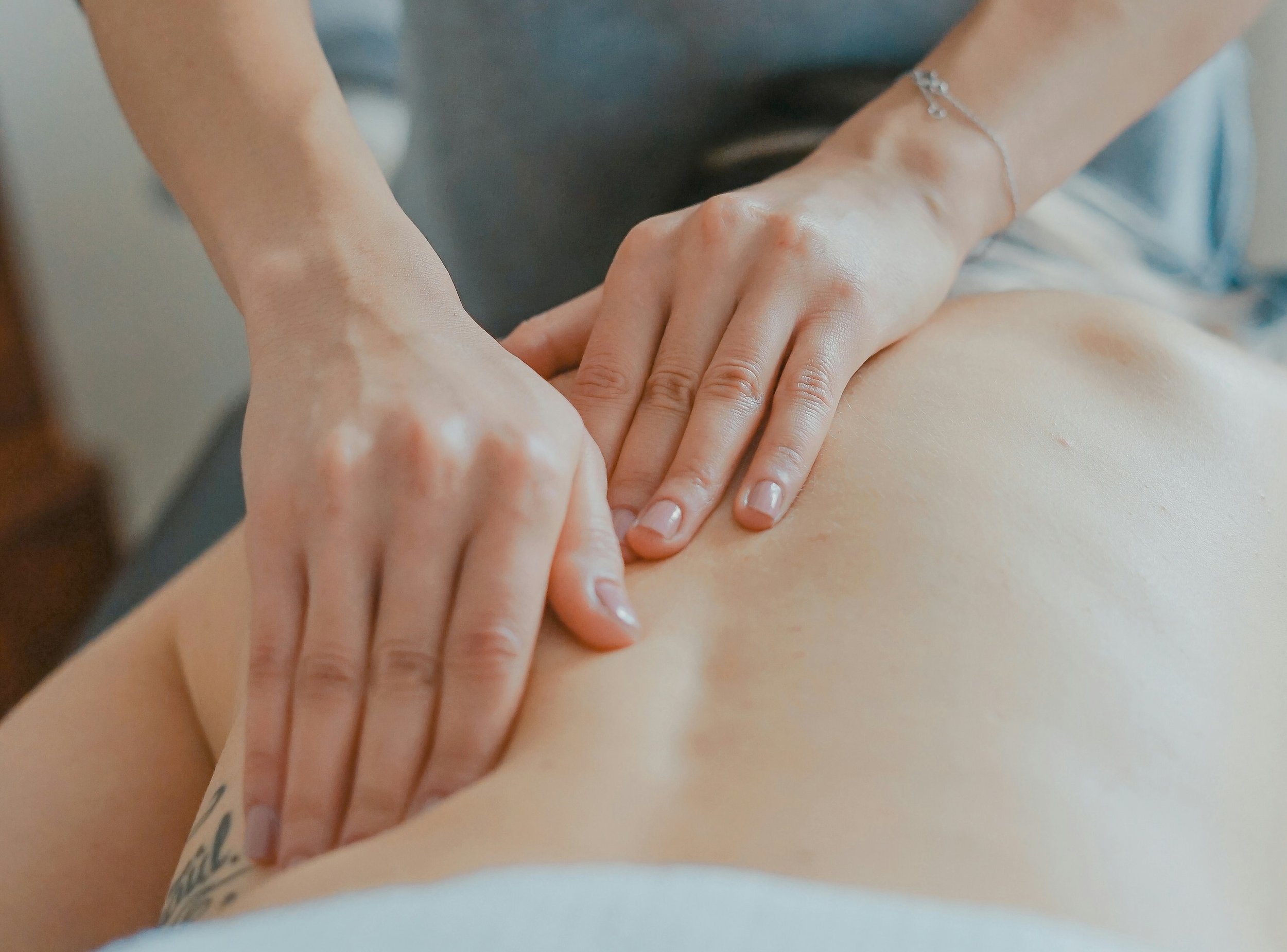
Begin with long, smooth strokes using the palms or thumbs. Glide from the extremities toward the heart to encourage venous return. Keep your weight light and your movements continuous to warm up the muscles without causing friction.
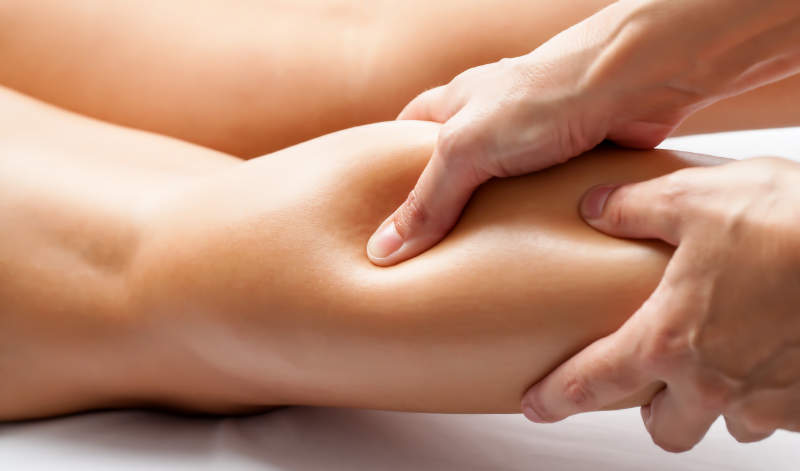
Use your fingers to lift, squeeze, and roll the muscle tissue. This motion helps release surface tension and improves flexibility. Apply this primarily to larger muscle groups like the shoulders, thighs, and calves.
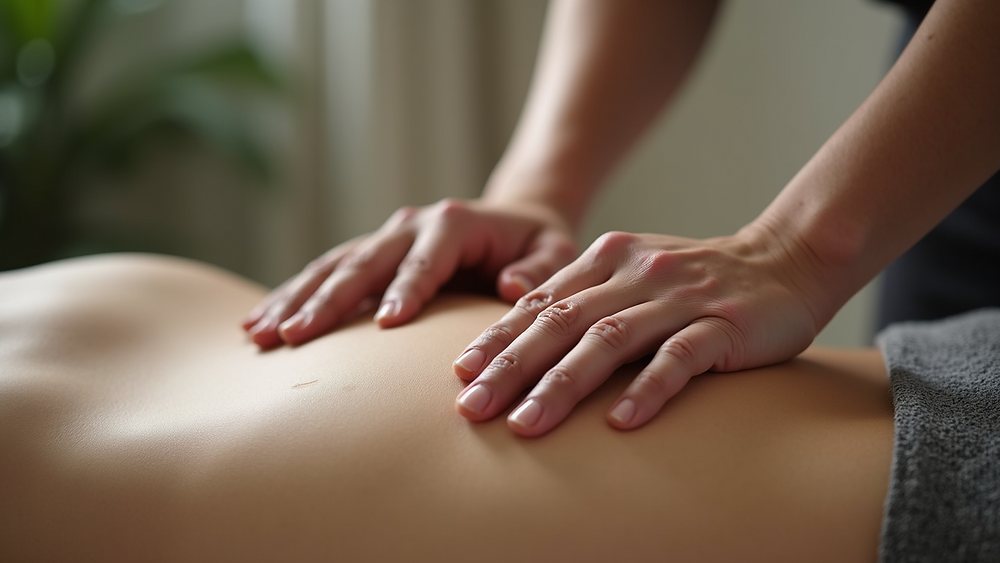
Apply focused, circular pressure with your thumbs or fingertips. Target specific tight spots or adhesions without sliding over the skin. This helps break up minor knots and increases local blood flow to the area.
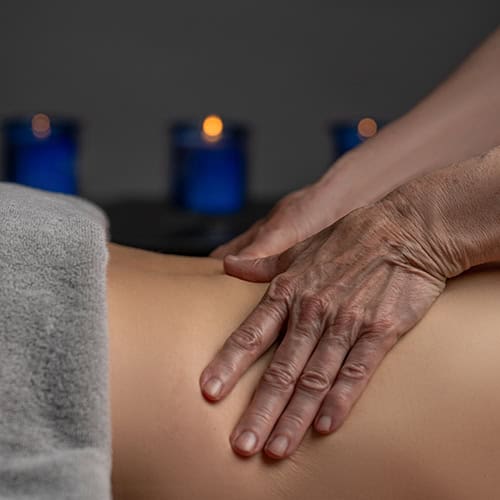
Use cupped hands or fingertips to perform brisk, rhythmic tapping. This invigorates the tissue and stimulates nerve endings. Keep the motion light and bouncy, avoiding heavy strikes that could cause discomfort.
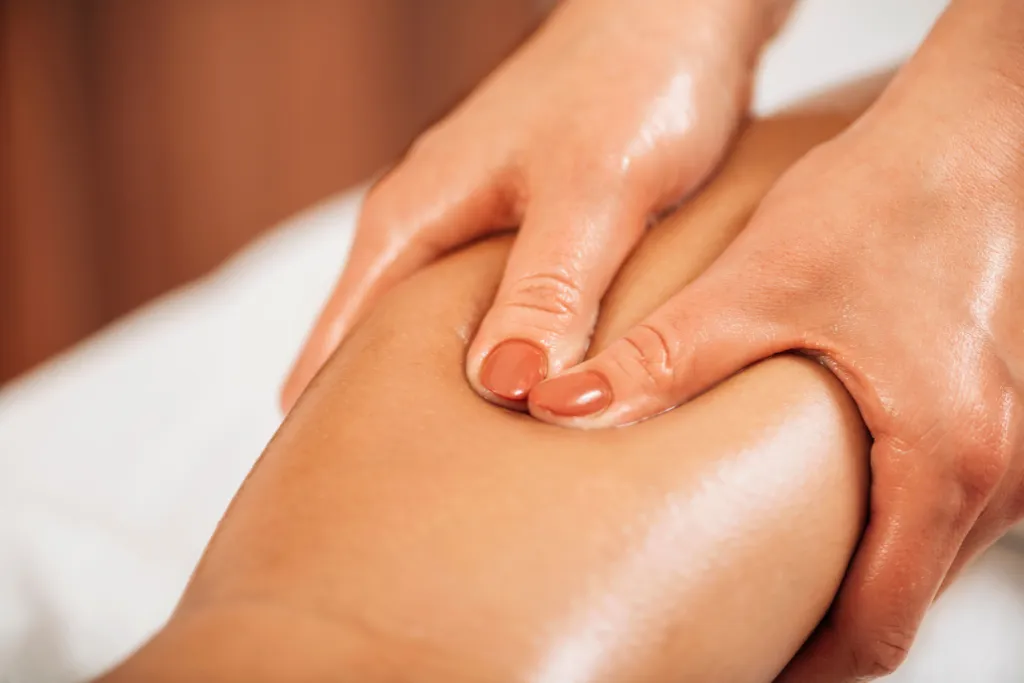
Place your hands firmly on the muscle and create a rapid shaking motion. This fine vibration helps relax deep-seated tension and concludes the session by leaving the muscles loose and ready for recovery.
For those in Colorado seeking these benefits, many local spas in Denver and Boulder offer introductory Swedish sessions tailored to travelers dealing with altitude-related fatigue or hikers recovering from trail exertion. The gentle nature of the strokes makes it ideal for adjusting to high elevations.
Deep tissue massage for chronic pain
Deep tissue massage targets the deeper layers of muscle and connective tissue. Unlike Swedish massage, which uses lighter pressure for relaxation, deep tissue work focuses on releasing chronic muscle tension and breaking down adhesions (knots) that cause pain and restrict movement. It is particularly effective for conditions like stiff necks, lower back pain, and sore shoulders.
While the technique can feel intense, it should not be painful. A skilled therapist in Denver or anywhere else uses slow strokes and deep finger pressure to reach the underlying muscle fibers. The goal is to restore proper alignment and reduce inflammation, offering relief for those dealing with long-term discomfort.
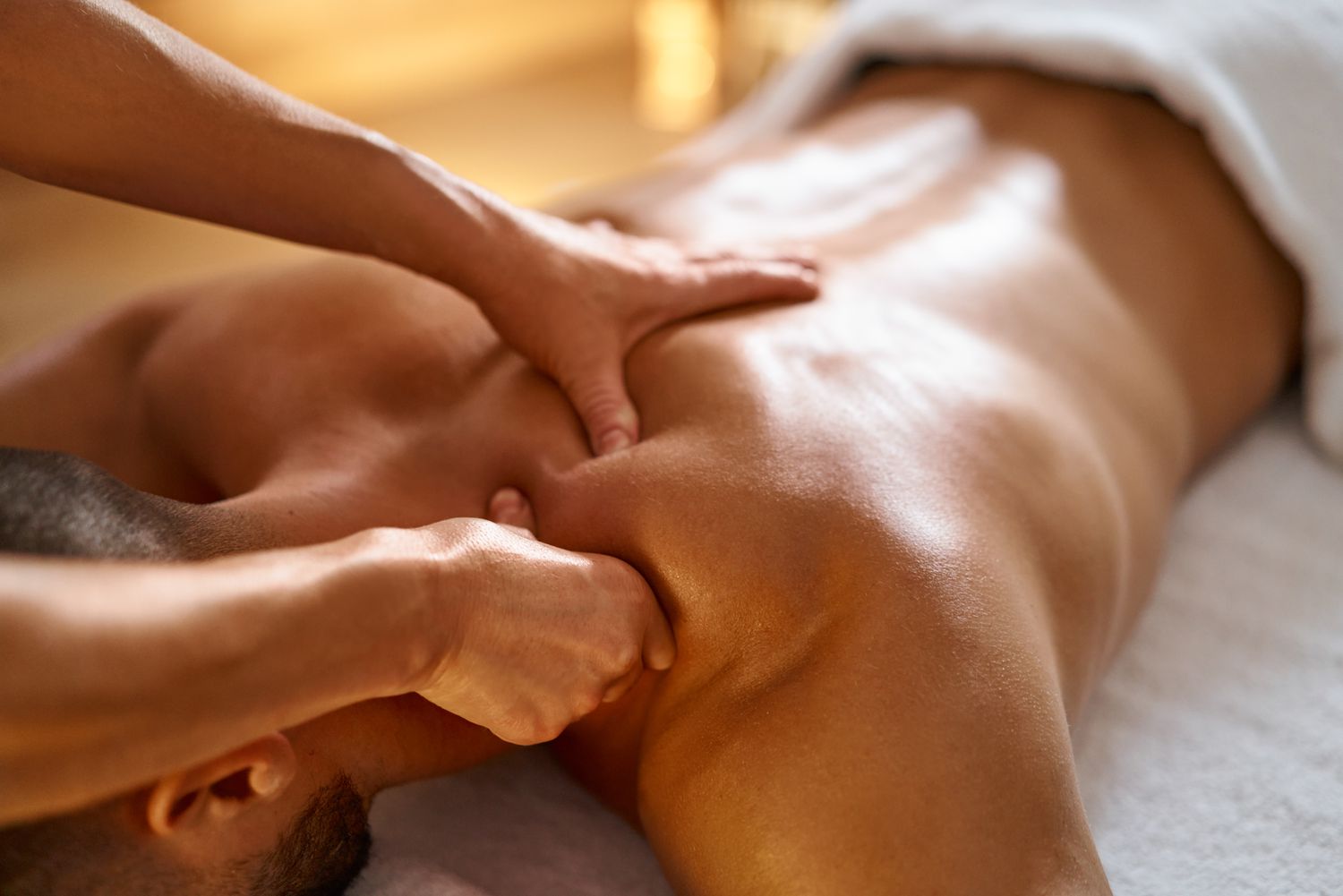
Begin by warming up the area with lighter, gliding strokes. This increases blood flow and relaxes the superficial muscle layers, making the deeper tissue more accessible and reducing the risk of injury during the more intense phases of the massage.
Once the muscles are warm, use your elbows, forearms, or thumbs to apply slow, deep pressure. Focus on the specific areas of tension. Move slowly enough to allow the tissue to release; rushing the pressure can cause the muscles to tense up in response to the discomfort.
Identify specific trigger points—tight bands of muscle that refer pain to other areas. Hold steady pressure on these points for 30 to 60 seconds. This sustained pressure helps to break down the knot and restore normal muscle function without causing sharp, acute pain.

After releasing the deep tension, gently stretch the affected muscle group. This helps to lengthen the muscle fibers and improve range of motion. Combine this with deep breathing to help the nervous system calm down and integrate the benefits of the treatment.
Deep tissue massage is a powerful tool for managing chronic pain, but it requires proper technique to be effective and safe. Whether you are seeking a professional session in Colorado or learning self-massage techniques, understanding these steps can help you achieve lasting relief.
Shiatsu and hot stone methods
Shiatsu and hot stone massage move beyond manual strokes, using specific tools and pressure points to balance energy and relieve tension. While Swedish and deep tissue work the muscles directly, these techniques focus on the body’s energy pathways and thermal regulation. They offer a distinct alternative for those seeking relief from stress or chronic stiffness without deep, aggressive kneading.
How shiatsu works
Shiatsu is a Japanese form of bodywork that uses rhythmic pressure rather than rubbing. Practitioners apply steady, finger-like pressure to specific points along the body’s meridians, which are pathways for vital energy. This technique aims to unblock energy flow and restore balance. It is particularly effective for reducing anxiety and improving circulation. The pressure is usually firm but controlled, allowing the recipient to relax into the sensation rather than tensing up against it.
Hot stone therapy basics
Hot stone massage involves placing smooth, heated basalt stones on key points of the body. The heat penetrates deep into the muscles, promoting relaxation and increasing blood flow to the area. Therapists may also use the stones as extensions of their hands, gliding them over the skin to transfer warmth and pressure. This method is ideal for relieving muscle stiffness and is a popular choice for clients in Colorado who spend time in cold, dry climates.
| Feature | Shiatsu | Hot Stone |
|---|---|---|
| Primary Tool | Fingers/Elbows | Heated Basalt Stones |
| Pressure Type | Rhythmic, static | Gentle, thermal |
| Best For | Energy balance, stress | Muscle stiffness, cold limbs |
| Technique | Point-specific pressure | Heat transfer and gliding |
Self-massage at home
You don’t need a licensed therapist to get relief from muscle tension. With a tennis ball, foam roller, or just your hands, you can apply basic massage techniques to yourself at home. This approach is especially useful for Colorado residents dealing with stiff muscles after hiking the Rockies or sitting through long winter days.
The goal isn’t to replicate a full spa session. It’s to release trigger points and improve circulation in key areas like the lower back, shoulders, and calves. Using simple tools allows you to target deep tissue knots that thumbs alone might miss.
Lower back relief with a ball
Place a tennis ball or lacrosse ball against a wall. Position it between your spine and the wall, slightly off-center to avoid direct pressure on the vertebrae. Lean into the wall and roll slowly up and down your lower back muscles. Stop when you find a tender spot and hold pressure there for 30 seconds. This mimics the kneading motion of a professional therapist, helping to release tension in the erector spinae.
Calf massage with a foam roller
Sit on the floor with a foam roller under your calves. Lift your hips off the ground and roll from just below the knee to the ankle. If you hit a particularly tight spot, pause and breathe deeply. This technique is excellent for runners or anyone who spends a lot of time standing. It helps flush out metabolic waste and reduces stiffness in the gastrocnemius and soleus muscles.
Shoulder tension release
Hold a tennis ball in your hand and press it against the wall at shoulder height. Use your other hand to guide the ball into the tight muscles of your upper back and shoulder blade. Roll it gently in small circles. This targets the rhomboids and trapezius, common areas of tension for desk workers. The ball’s firmness allows for precise pressure that hands can’t easily achieve.
Choosing the right massage technique for your goals
Selecting the correct massage style depends on whether your primary need is stress reduction or physical rehabilitation. Swedish massage uses long, gliding strokes to calm the nervous system, making it ideal for general relaxation and beginners. Deep tissue massage targets deeper muscle layers and chronic tension, offering relief for persistent pain or stiffness. Shiatsu applies rhythmic pressure to specific points to restore energy flow, often used for holistic balance.
To decide which technique fits your needs, consider your current physical state and desired outcome. If you are recovering from an injury or dealing with chronic back pain in the Denver area, deep tissue may be more effective. For those seeking to unwind after a stressful week, Swedish or Shiatsu offers a gentler approach. Consulting with a licensed therapist in Colorado can help tailor the session to your specific health requirements.
-
Seeking general relaxation and stress relief
-
Managing chronic muscle pain or tension
-
Recovering from a specific injury
-
Looking for holistic energy balance
Understanding these distinctions ensures you receive the most beneficial treatment for your body. Always communicate your preferences and pain levels to your therapist to adjust pressure and technique accordingly.
Common questions about massage
Addressing specific concerns helps clarify how these techniques fit into your wellness routine. Here are answers to frequent questions about targeted nerve work and recovery.
No comments yet. Be the first to share your thoughts!