

The five basic massage movements
Start with the constraint that matters most: space, timing, budget, skill level, or availability. This constraint should shape your plan, not appear as an afterthought. Keep the first pass simple enough to verify. Compare options against the same criteria, remove choices that only work in ideal conditions, and save optional upgrades for later.
Swedish massage for general relaxation
Swedish massage relies on five core movements designed to soothe the nervous system and improve circulation. These techniques use light-to-medium pressure, making them ideal for stress reduction and general relaxation. The style focuses on the superficial layers of muscle rather than deep tissue manipulation.
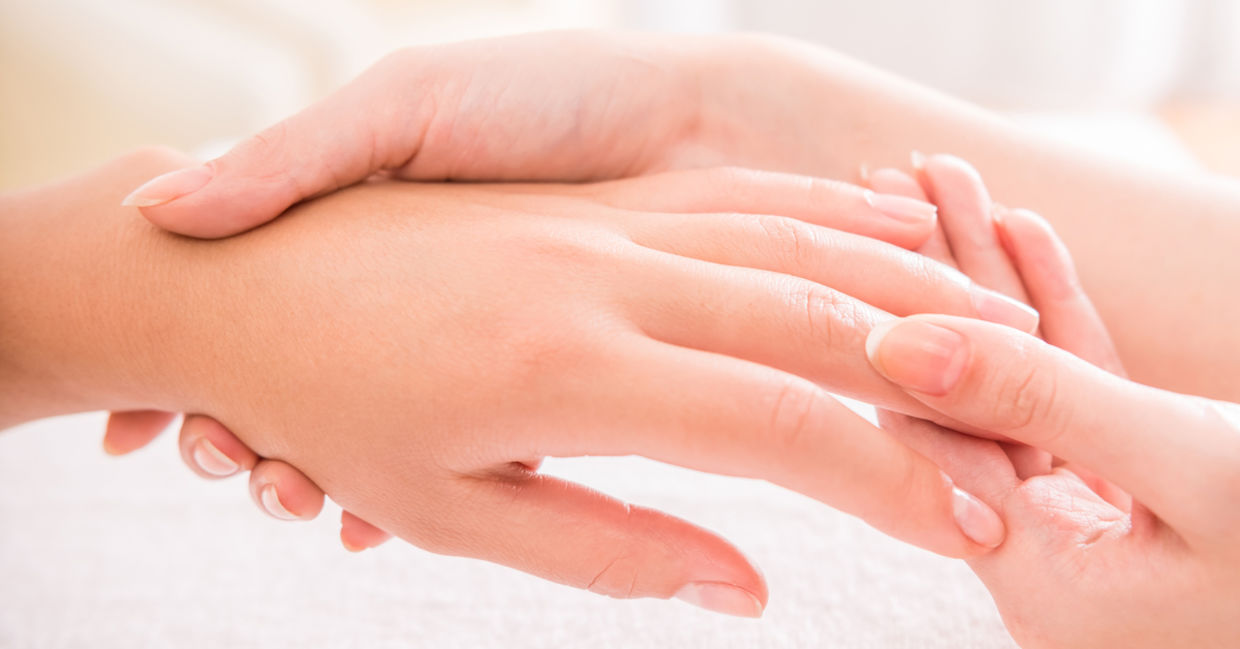
The foundation of the session is the effleurage stroke. Therapists use long, gliding movements with the palms or thumbs to spread oil and warm the muscles. This stroke typically moves toward the heart to encourage venous return. It serves as both an introduction to the session and a connecting thread between more intensive techniques.

Friction involves deeper, circular or cross-fiber movements. While still within the Swedish framework, this technique targets specific tight spots or adhesions in the muscle tissue. Therapists use their thumbs, fingers, or elbows to apply focused pressure, helping to break down minor knots without causing pain.
Petrissage follows, consisting of kneading, lifting, and squeezing motions. This action helps to release muscle tension and improves blood flow to the area. By manipulating the muscle fibers, the therapist encourages the release of metabolic waste products that may have accumulated from daily activity.
To conclude the sequence, therapists often use tapotement, or rhythmic tapping. This involves brisk, percussive movements like hacking or cupping. While less common in purely relaxation-focused sessions, it can help invigorate the tissue and prepare the body for the final effleurage strokes that calm the nervous system.
-
Look for long, gliding effleurage strokes to start the session
-
Ensure pressure remains light-to-medium throughout
-
Check for circular friction on specific tight spots
-
Verify kneading (petrissage) is used to release tension
-
Confirm the session ends with calming strokes
Deep tissue for chronic muscle tension
Deep tissue massage targets the deeper layers of muscle and connective tissue. It is designed to release chronic muscle tension and adhesions, which are bands of painful, rigid tissue that can form in muscles, tendons, and ligaments. Unlike Swedish massage, which uses lighter pressure to promote relaxation, deep tissue work focuses on specific problem areas that cause pain and restrict movement.
The technique relies on slow, deliberate strokes and deep finger pressure. Therapists use their elbows, forearms, or fingers to apply pressure to the deeper layers of muscle tissue. This pressure is directed at the adhesions to break them down and restore normal movement. The process can be uncomfortable during the session, but it often leads to significant pain relief and improved range of motion afterward.
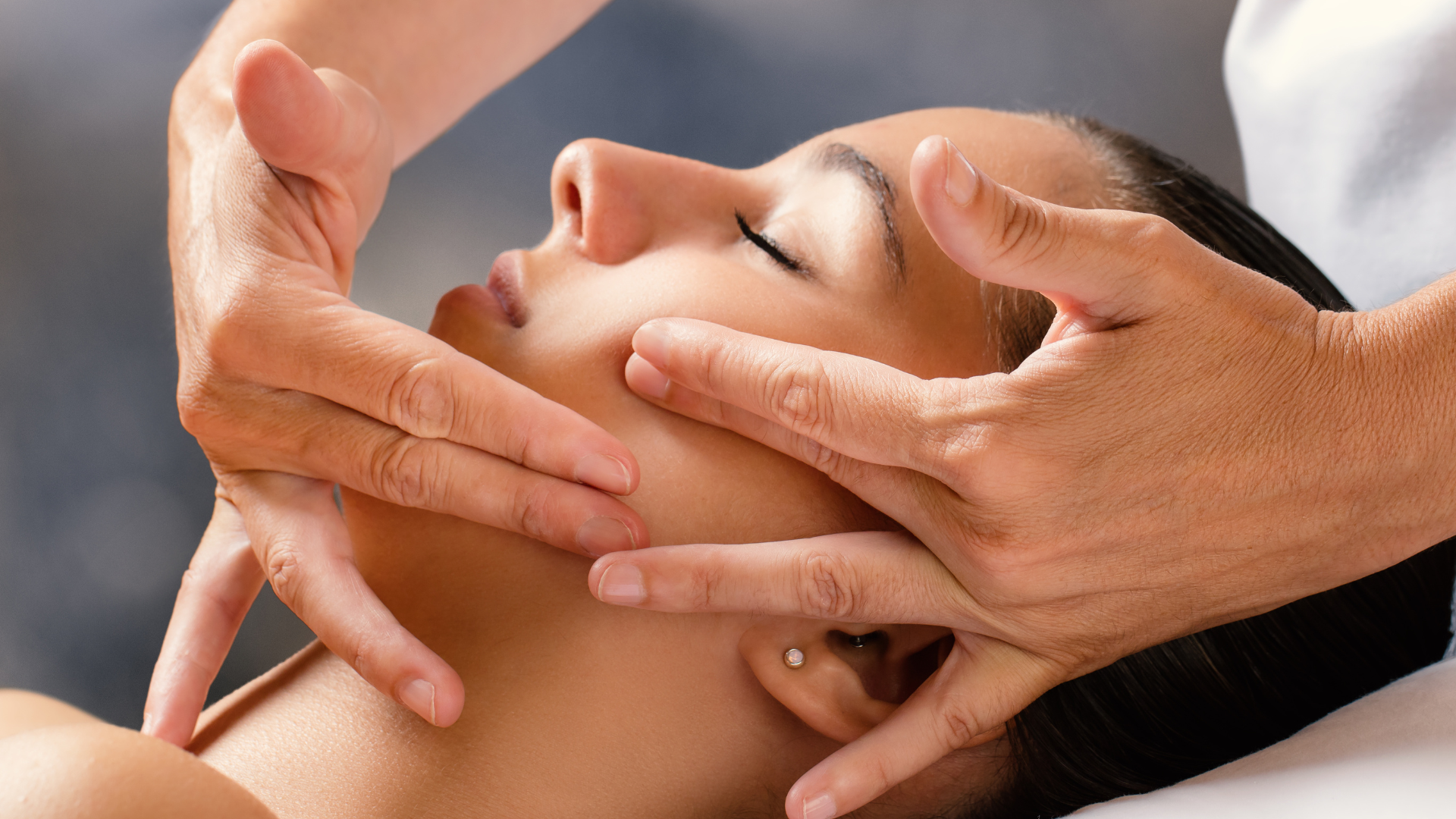
The following table compares deep tissue with Swedish massage to help you choose the right approach for your needs.
| Feature | Swedish Massage | Deep Tissue Massage |
|---|---|---|
| Pressure Level | Light to moderate | Deep and firm |
| Speed | Smooth and flowing | Slow and deliberate |
| Best Use Case | General relaxation and stress relief | Chronic pain and muscle knots |
| Target Area | Surface muscles | Deep muscle layers and fascia |
Deep tissue massage is particularly effective for conditions like chronic back pain, neck stiffness, and limited mobility. It helps break down scar tissue and adhesions that can cause pain and restrict movement. However, it is not suitable for everyone. People with bleeding disorders, osteoporosis, or those taking blood thinners should consult a healthcare provider before trying this technique. It is also important to communicate with your therapist about pain levels to ensure the pressure is effective but not harmful.
-
Do you have chronic muscle pain or stiffness?
-
Have you tried lighter massage styles without relief?
-
Are you comfortable with firm, sometimes painful pressure?
-
Have you consulted a doctor if you have health conditions?
-
Do you have time for recovery after the session?
How to apply Swedish and deep tissue techniques at home
Self-massage bridges the gap between professional therapy and daily maintenance. You do not need expensive equipment to replicate Swedish effleurage or deep tissue friction. The primary requirement is proper hand placement and consistent pressure.
Start by warming your hands and the target muscle group. Cold hands trigger muscle guarding, which reduces the effectiveness of the stroke. Use a small amount of lubricant—oil, lotion, or cream—to prevent skin irritation and allow your hands to glide smoothly over the fascia.
Neck and shoulder release
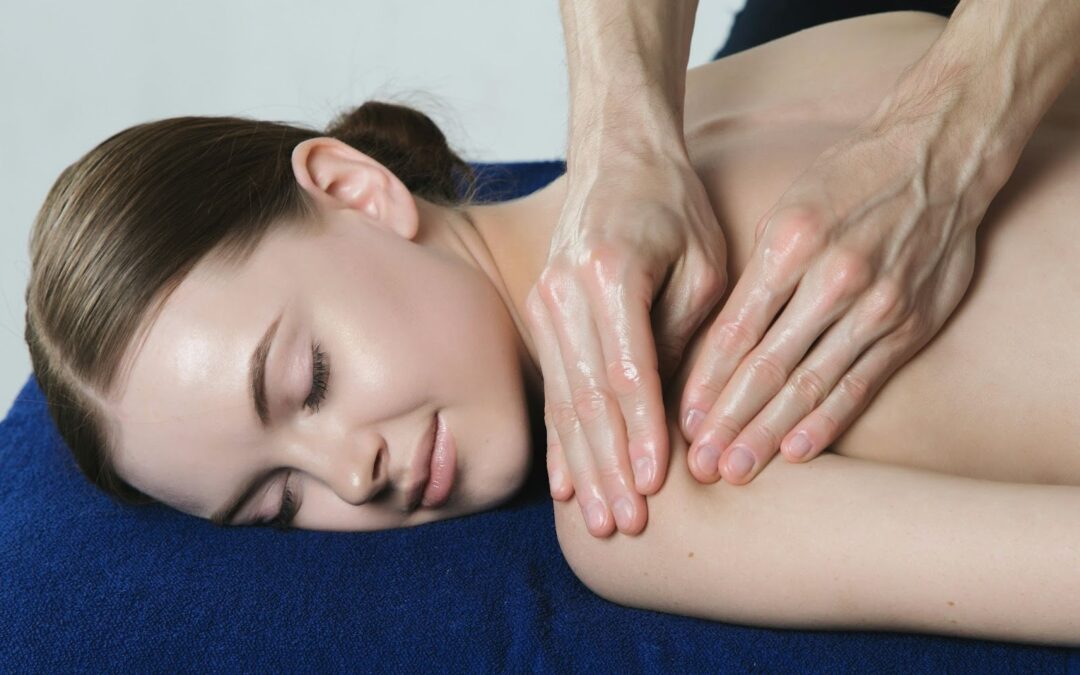
The neck and shoulders are the most common sites for tension buildup. Use your thumbs or fingertips to apply gentle, circular friction to the trapezius muscles.
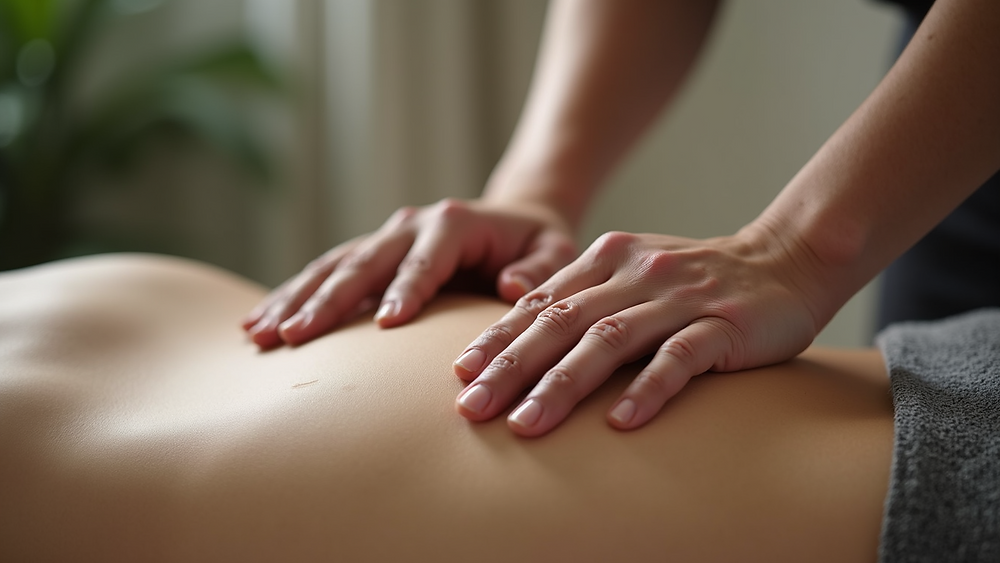
Place your fingertips on the upper trapezius muscles, just below the base of your neck. Identify tight knots or bands of tissue that feel tender to the touch.
Use broad, gliding strokes with your palms to warm up the tissue. Move from the base of the neck toward the shoulders. This Swedish-style movement increases blood flow and prepares the muscle for deeper work.
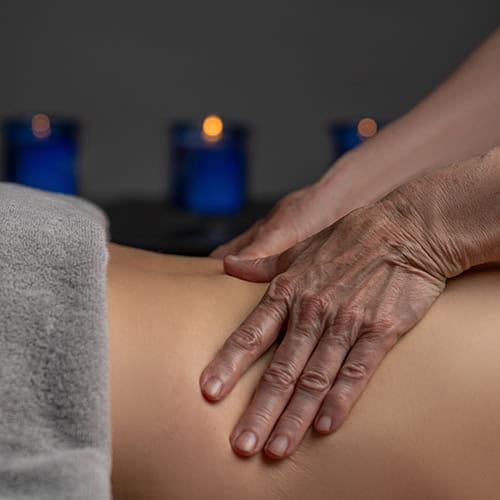
Switch to deeper, slower pressure using your thumbs or knuckles. Apply friction in small circular motions directly over the tight knots. Hold the pressure for five to ten seconds, then release. Breathe deeply to help the muscle relax.
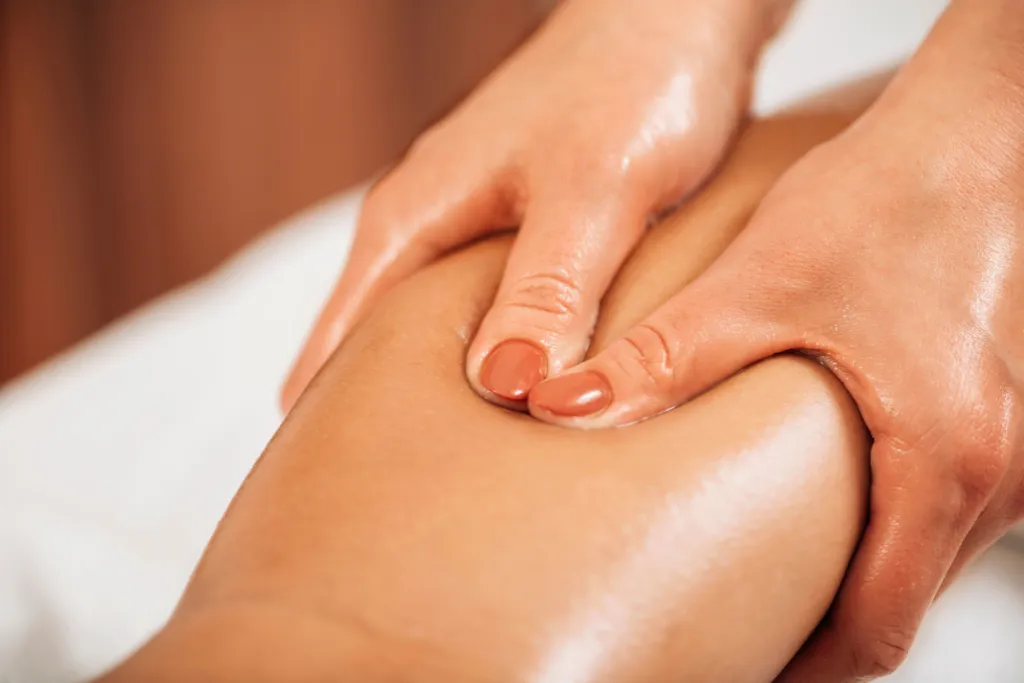
Return to broad, light effleurage strokes to soothe the area. This helps flush out metabolic waste released during the deeper work and signals the nervous system to relax.
Using tools for deeper access
When hands cannot reach deep enough, simple tools like massage balls or foam rollers can extend your reach. These tools allow you to apply sustained pressure to specific trigger points without straining your own joints.
Place a tennis ball or lacrosse ball between your back and a wall. Position it directly over a tight spot in your upper back or glutes.
Lean into the ball to apply pressure. Hold the position for 30 to 60 seconds. You should feel a "good hurt"—a release of tension—not sharp pain. If the pain is sharp, shift the ball slightly to find a less sensitive area.
For larger muscle groups like the hamstrings or calves, use a foam roller. Roll slowly over the muscle, stopping on any tender spots. Pause and breathe until the tension releases.
Safety and hand positioning
Proper hand positioning prevents injury and maximizes effectiveness. Keep your wrists straight and neutral; bending them excessively can lead to carpal tunnel syndrome or tendonitis over time. Use your body weight, not just arm strength, to apply pressure. Stand or sit in a stable position to avoid straining your back.
Always avoid massaging directly over bones, joints, or open wounds. If you have a medical condition such as Ehlers-Danlos syndrome or severe osteoporosis, consult a healthcare provider before attempting deep tissue self-massage. Start with light pressure and gradually increase only as your tissues adapt.
Safety considerations and contraindications
Before attempting deep tissue work or advanced techniques, you must understand where pressure can cause harm. Massage is not a uniform intervention; the same stroke that relaxes one person can injure another. This section outlines specific physiological risks and medical conditions that require professional clearance.
Vagus nerve stimulation risks
The vagus nerve runs along the side of the neck and plays a central role in the autonomic nervous system. While gentle stimulation can promote calm, aggressive massage in this area carries significant risk. The carotid sinus, located near the vagus nerve, regulates blood pressure and heart rate. Direct pressure or deep tissue manipulation here can trigger a vasovagal response, leading to a sudden drop in heart rate and blood pressure (syncope), or in rare cases, dislodge plaque and cause a stroke.
Avoid deep pressure on the anterior and lateral neck. Swedish effleurage strokes should remain light and superficial in this region. If a client feels lightheaded, dizzy, or nauseous during neck work, stop immediately and elevate their legs.
Ehlers-Danlos syndrome and connective tissue disorders
Ehlers-Danlos syndrome (EDS) affects collagen production, resulting in hypermobile joints and fragile connective tissues. Standard massage guidelines often assume stable tissue integrity, which does not apply to EDS patients. Research on massage for EDS is limited, but clinical observations suggest that direct compression, friction, and aggressive gliding can exacerbate joint instability and cause micro-tears in already compromised tissues [Nimbus Massage].
For individuals with EDS or similar connective tissue disorders, deep tissue massage is generally contraindicated. Instead, focus on gentle myofascial release and very light, supportive strokes that do not pull on the joint capsules. Always consult a physician before proceeding with any massage therapy for these conditions.
General safety checklist
Use this checklist to ensure safe practice before beginning any session:
-
Verify no acute inflammation, infection, or open wounds in the treatment area
-
Confirm client has no history of blood clots or deep vein thrombosis
-
Avoid deep pressure on the neck, carotid sinus, and abdomen
-
Use gentle techniques for clients with EDS, osteoporosis, or recent surgeries
-
Stop immediately if the client reports sharp pain, numbness, or dizziness
Frequently asked questions about massage therapy
Can I massage my vagus nerve?
Yes, gentle massage of the neck and collarbone area can stimulate the vagus nerve, which regulates your autonomic nervous system. This stimulation helps shift your body from a stressed state to a calm one. Focus on light, slow strokes rather than deep pressure to safely encourage relaxation.
Should people with Ehlers-Danlos Syndrome (EDS) get massages?
Research on massage for Ehlers-Danlos Syndrome is limited, but clinical experience suggests it can provide pain relief. Therapists should avoid direct compression, friction, or aggressive gliding, which can strain hypermobile joints. Instead, gentle myofascial release is often recommended to support tissue without causing injury.
Is deep tissue massage better than Swedish for pain?
Deep tissue massage targets the deeper layers of muscle and connective tissue, making it more effective for chronic pain and specific knots. Swedish massage uses lighter pressure to promote general relaxation and circulation. Choose deep tissue for specific pain issues and Swedish for overall stress relief.
How often should you get a massage?
For general wellness, once a month is often sufficient. If you are managing chronic pain or recovering from an injury, weekly sessions may be necessary initially. Listen to your body; if you feel sore or fatigued after a session, extend the time between appointments.
What are the risks of massage therapy?
While generally safe, massage can cause temporary soreness, bruising, or swelling. People with blood clots, osteoporosis, or certain skin conditions should consult a doctor first. Always communicate pressure preferences to your therapist to avoid tissue damage.
No comments yet. Be the first to share your thoughts!