

Start with safe hand positioning
Use this section to make the Master Five Core Massage Techniques for Stress Relief decision easier to compare in real life, not just on paper. Start with the reader's actual constraint, then separate must-have requirements from details that are merely nice to have. A practical choice should survive normal use, maintenance, timing, and budget. If a recommendation only works in an ideal situation, call that out plainly and give the reader a fallback path.
-
Verify the basicsConfirm the core specs, condition, and fit before comparing extras.
-
Price the downsideLook for the repair, maintenance, or replacement cost that would change the decision.
-
Compare alternativesCheck at least two comparable options before treating one listing as the benchmark.
Apply effleurage for warm-up strokes
Effleurage is the foundational stroke in Swedish massage, characterized by long, gliding movements that warm up the muscles and prepare the tissue for deeper work. It acts as a bridge between the therapist’s hands and the client’s body, signaling relaxation before any intense manipulation begins. This technique increases superficial blood flow and helps the nervous system shift from a sympathetic (fight-or-flight) state to a parasympathetic (rest-and-digest) state.
To perform effleurage effectively, follow this sequence:
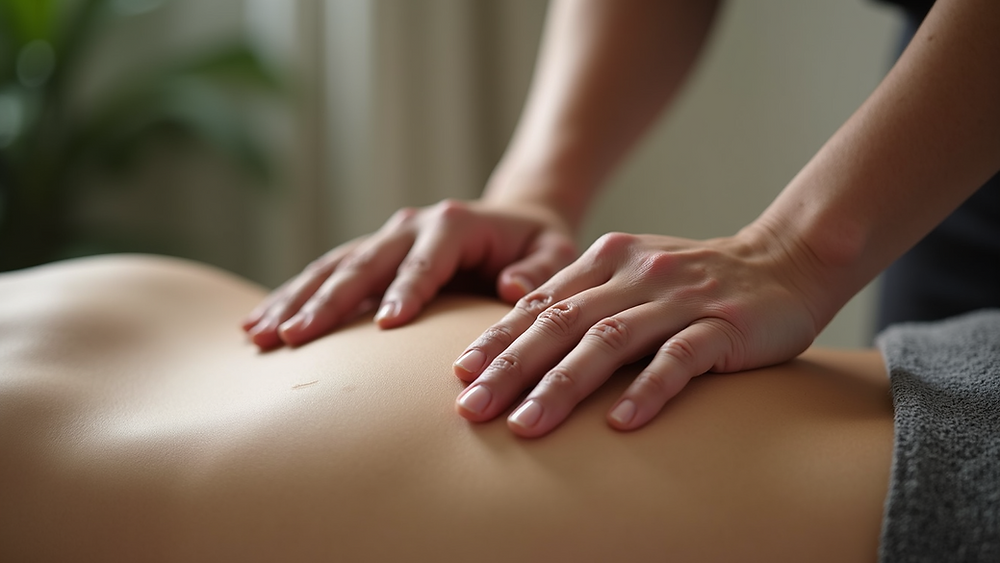
Dispense a generous amount of lotion or oil onto your palms. Rub your hands together to warm the product. The slip provided by the medium is essential; without it, dragging across dry skin creates friction that irritates rather than soothes.
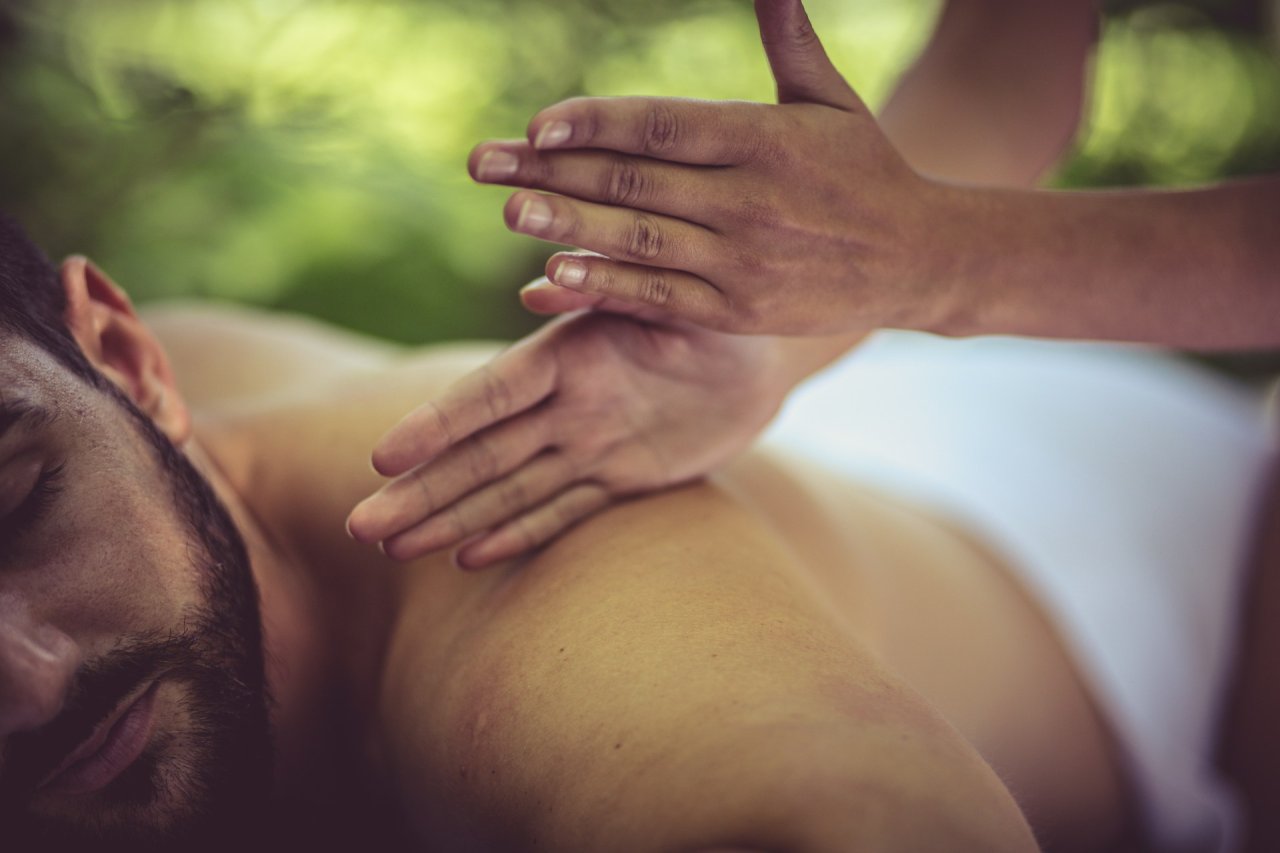
Start with your palms flat against the skin, fingers together and slightly spread. Use the heels of your hands and the pads of your fingers. Avoid digging in with your thumbs or nails at the start; keep the pressure light and even, like a feather brushing the surface.
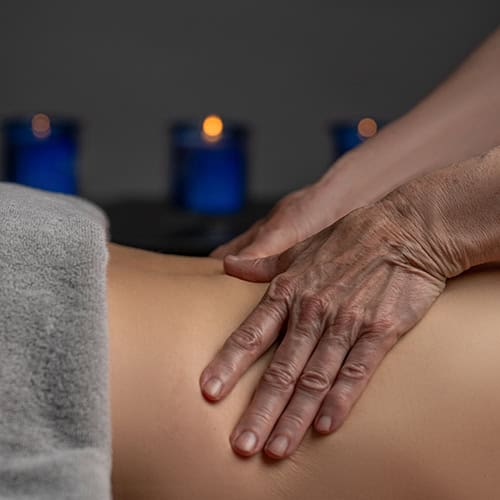
Move your hands in long, continuous strokes along the length of the muscle fibers. For the back, this means starting at the lower back and gliding up toward the shoulders, then sweeping back down the sides. The motion should be fluid and unhurried, taking about two to three seconds per stroke.
Continue these strokes for several minutes. The goal is to create a hypnotic, rhythmic pattern that lowers heart rate. Effleurage is not just a warm-up; it is the primary tool for guiding the client’s attention and setting the tempo for the entire session.
The effectiveness of effleurage relies on consistency. If you vary the speed or pressure randomly, you disrupt the relaxation response. Keep your own breathing steady and match your movements to a slow, deliberate pace. This technique is widely recognized as the primary method for initiating the physiological benefits of massage therapy, as noted by the American Therapy Association and other professional bodies.
Use petrissage to knead muscle tissue
Petrissage is the kneading phase of a massage session. It lifts, squeezes, and rolls the muscle tissue away from the bone. This motion separates stuck layers of fascia and increases blood flow to deeper tissues. It is most effective on large muscle groups like the shoulders, thighs, and calves.
Think of petrissage as kneading dough. You press down, lift the mass, and fold it over. This action releases tension held in the muscle belly. It prepares the tissue for deeper work or helps flush out metabolic waste after exercise.
How to perform petrissage
- Position your hands: Place your thumbs or palms flat against the muscle. Keep your fingers relaxed.
- Lift the tissue: Press down firmly but gently. Lift the muscle away from the underlying bone or joint.
- Squeeze and roll: Compress the lifted tissue with your fingers or thumbs. Roll it between your digits.
- Release slowly: Let the muscle return to its natural position. Do not snap your hands off.
- Repeat: Move slowly across the muscle group. Spend 1–2 minutes on each major area.
Common mistakes to avoid
- Pinching the skin: Keep your grip on the muscle belly, not the surface skin. Pinching causes bruising and pain without releasing tension.
- Using too much pressure: Petrissage should feel firm but comfortable. If the client tenses up, lighten your touch.
- Moving too quickly: Slow, deliberate movements allow the tissue to release. Rushing reduces the effectiveness of the kneading action.
When to use petrissage
Use petrissage after initial effleurage strokes have warmed up the area. It is ideal for releasing chronic tension in the trapezius, quadriceps, and hamstrings. Avoid this technique on inflamed joints, open wounds, or areas with acute injuries.
"Petrissage is a fair comparison when considering the five basic massage techniques... It lifts and squeezes the muscle tissue." — Massage Therapy Journal
For a visual guide on proper hand placement and pressure, refer to professional resources on Swedish massage techniques.
Apply warm oil or lotion to reduce friction. Use long, gliding effleurage strokes to warm the muscle tissue before beginning kneading.
Press your thumbs or palms into the muscle belly. Lift the tissue away from the bone. Ensure you are engaging the muscle, not just the skin.
Compress the lifted tissue. Roll it between your fingers or thumbs. Move slowly across the muscle group, repeating the lift-squeeze-release cycle.
Let the muscle return to its natural position. Follow with gentle effleurage to calm the area. Transition to the next muscle group.
Target knots with friction and tapotement
Friction and tapotement are the final two pillars of the five core massage techniques. While effleurage and petrissage prepare the tissue, these methods address specific tension and circulation needs. Friction breaks down adhesions in stubborn knots, and tapotement stimulates blood flow through rhythmic movement.
Apply friction to specific tight spots
Friction involves deep, circular or cross-fiber movements applied to a localized area. The goal is to generate heat and break up scar tissue or adhesions within the muscle fibers. Unlike broader strokes, this technique requires focused pressure on a single knot or trigger point.
Use the pads of your thumbs, fingers, or elbow to apply firm pressure. Move in small circles or across the grain of the muscle fibers. Hold the pressure for 10–20 seconds until you feel the knot release or soften. This technique is most effective for chronic tension in the shoulders, neck, or lower back.
Use tapotement to stimulate circulation
Tapotement consists of rhythmic, percussive tapping movements. This technique invigorates the tissue, increases blood flow, and can help loosen mucus in the chest if applied correctly. It is often used at the end of a massage session to energize the body.
Choose a hand shape that suits the area:
- Hacking: Cup your hands and use the ulnar side (pinky edge) to tap rapidly. Best for large muscle groups like the back and thighs.
- Pounding: Use loosely clenched fists to deliver heavier, slower beats. Suitable for thick muscle tissue.
- Tapping: Use your fingertips for light, rapid taps. Ideal for sensitive areas like the face or neck.
Keep your wrists loose and flexible. The movement should come from the wrist, not the arm, to maintain rhythm and prevent fatigue. Apply for 30–60 seconds per area to stimulate circulation without causing bruising.
Compare Massage Styles and Benefits
Choosing the right massage style depends on your specific tension patterns and recovery goals. While all major styles share the five core techniques, they combine them differently to target distinct issues. Swedish massage uses light to medium pressure for general relaxation, whereas deep tissue massage applies slow, firm strokes to reach deeper muscle layers. Sports massage blends both approaches, focusing on preventing injury and improving performance for active individuals.
The table below outlines the key differences in pressure, technique focus, and best use cases to help you select the appropriate session.
| Style | Pressure | Technique Focus | Best Use Case |
|---|---|---|---|
| Swedish | Light to Medium | Long, flowing strokes and kneading | General relaxation and stress relief |
| Deep Tissue | Firm to Heavy | Slow strokes targeting deep muscle layers | Chronic tension and knots |
| Sports | Variable (Medium to Firm) | Pre-event warm-up and post-event recovery | Athletes and injury prevention |
Swedish massage remains the most common style for those seeking stress relief, utilizing soft, long strokes to improve circulation and calm the nervous system [1]. Deep tissue work is more intense, often described as therapeutic rather than purely relaxing, making it suitable for persistent pain [2]. Sports massage is highly adaptable, often incorporating stretching and compression to prepare the body for physical activity or aid in recovery afterward.
Verify Your Massage Technique for Safety
Before ending the session, run through this safety checklist to ensure the treatment remains therapeutic and comfortable. A quick verification prevents strain and confirms the pressure matches the recipient’s tolerance.
- Check for contraindications: Ensure no new pain, bruising, or skin irritation appeared during the massage. If the recipient feels sharp pain, stop immediately.
- Test pressure consistency: Verify that strokes remain even and rhythmic. Avoid pressing too hard on joints or the spine.
- Confirm comfort level: Ask the recipient if the pressure is sufficient. Adjust as needed to maintain relaxation rather than tension.
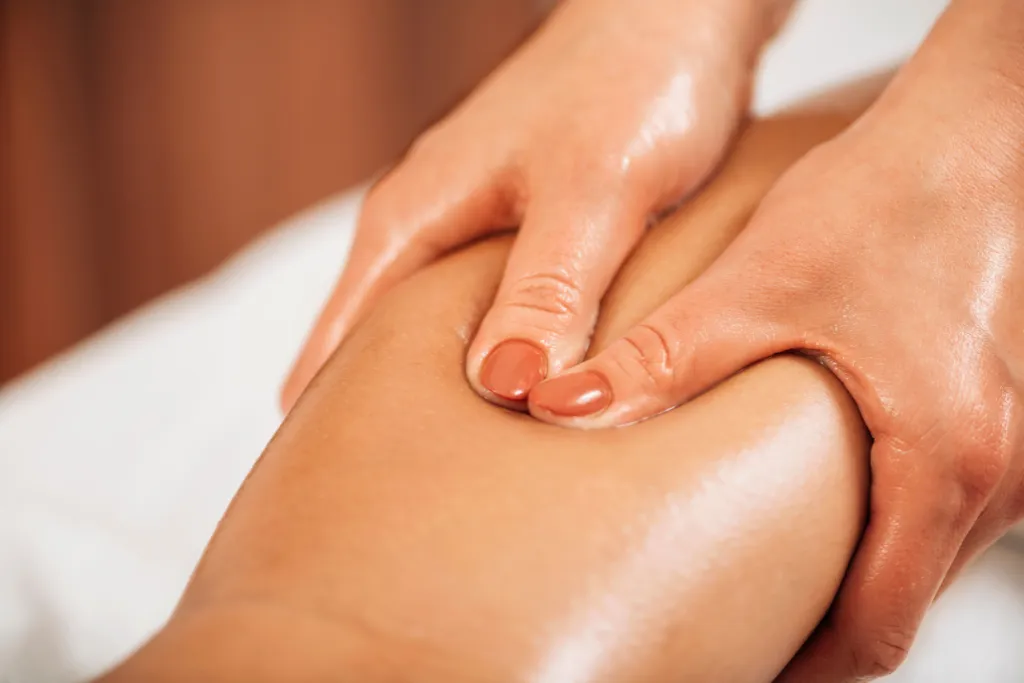
Using proper technique helps avoid injury while maximizing stress relief. For more details on safe massage practices, refer to WebMD's guide on massage therapy styles.
Pre-Massage Safety Checklist
-
No sharp pain or discomfort reported
-
Pressure is consistent and comfortable
-
Recipient is relaxed and breathing evenly
-
Environment is quiet and warm
No comments yet. Be the first to share your thoughts!