

Read the palette first
Before mixing ancient techniques with modern comfort, review the prerequisites below. Skipping these steps often leads to poor results, whether you are applying essential oils or selecting the right massage table for your Colorado home studio.
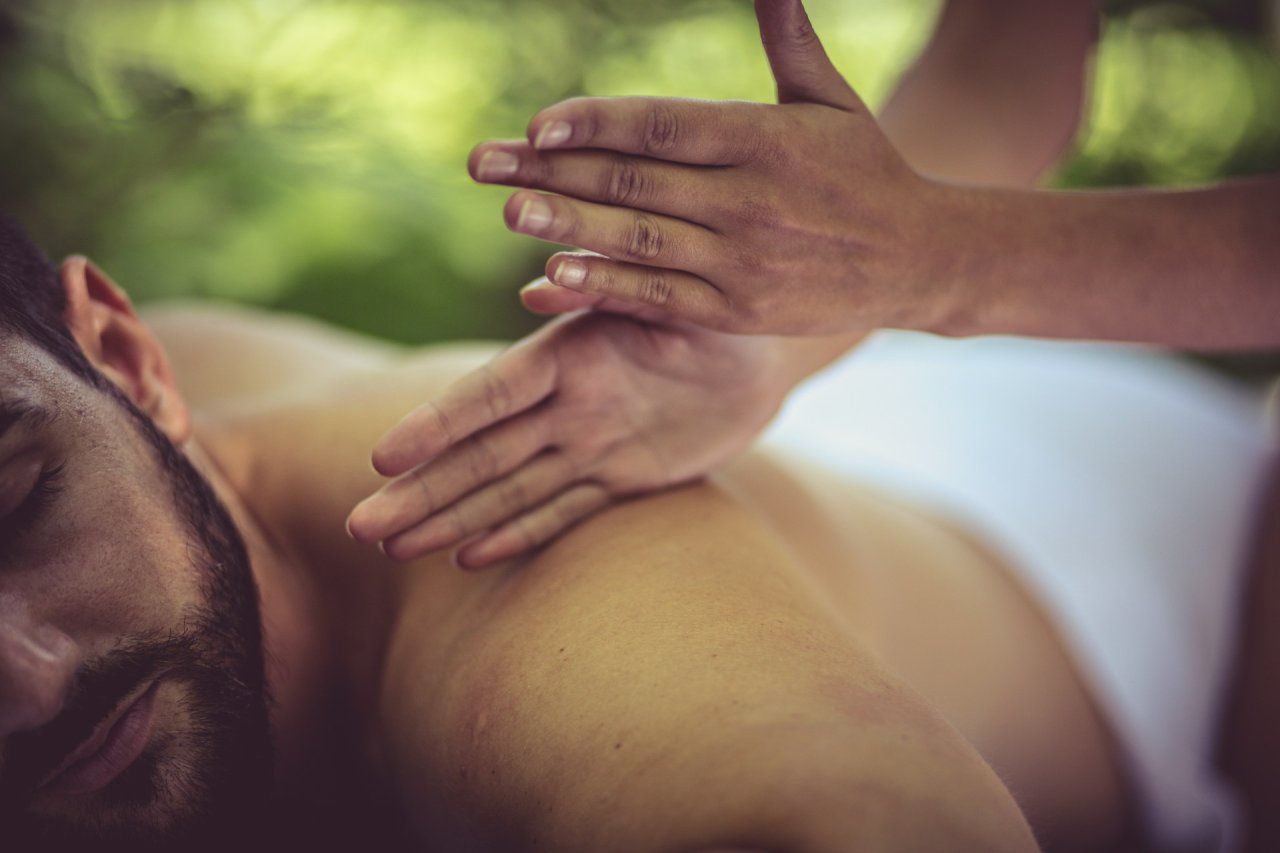
Check your supplies
Ensure you have a clean, flat surface and a high-quality massage table or firm mat. If you are using products, verify that your oils or lotions are fresh and free of allergens. For those seeking specific tools, consider evaluating options like Amazon massage tools to find durable, ergonomic aids that support proper posture during long sessions.
Prepare the environment
Set the room temperature between 72°F and 75°F. Cold muscles resist movement and increase tension. Dim the lights and remove distractions. A calm environment signals safety to the nervous system, allowing the deeper strokes of petrissage or friction to penetrate effectively without triggering a defensive response.
Confirm client health
Ask about recent injuries, skin conditions, or medications that affect blood flow. Avoid deep tissue work on areas with active inflammation or varicose veins. If the client has any concerns, stick to lighter effleurage strokes or consult a medical professional first. Safety always precedes relaxation.
Build the outfit
Ancient massage techniques like Swedish, Shiatsu, and Deep Tissue require specific tools to be effective. Using the right equipment ensures you can apply proper pressure, maintain hygiene, and achieve the therapeutic results these methods demand. Without the correct setup, you risk straining your hands or failing to reach the intended muscle layers.
Start by selecting a massage table or a firm, stable surface. A professional-grade table with adjustable height allows you to work without bending your back, which is essential for longevity in practice. If you are practicing on yourself, a sturdy chair with lumbar support or a flat, carpeted floor with a high-density mat works well. Ensure the surface is clean and covered with a fresh sheet or towel before each session.
Next, choose your massage oil or lotion. Swedish massage relies heavily on gliding strokes, so a high-quality, slip-rich oil like sweet almond or jojoba oil is ideal. For deeper techniques like Deep Tissue, a thicker balm or cream provides more resistance and grip, allowing you to target specific trigger points without slipping. Avoid products with heavy fragrances if the recipient has sensitivities, as the goal is relaxation, not irritation.
Gather your hands, knuckles, and forearms as your primary tools. Your hands are the most versatile instrument, capable of nuanced pressure adjustments. Knuckles are effective for broader, deeper strokes along the spine or large muscle groups. Forearms allow you to use your body weight to apply sustained, even pressure, which is particularly useful in Shiatsu or myofascial release. Keep your nails trimmed short to avoid scratching the skin.
Consider adding small props like massage balls or foam rollers for self-massage or targeted myofascial release. A tennis ball or lacrosse ball can mimic the pressure of a therapist’s elbow for self-administered trigger point therapy. Foam rollers are excellent for rolling out large muscle groups like the quads, hamstrings, and back. These tools extend the reach of your hands and provide consistent pressure that is difficult to maintain manually.
Finally, prepare your environment to support the ancient techniques you are applying. Dim the lights, reduce noise, and ensure the room temperature is comfortable. Ancient practices like Shiatsu or Thai massage often involve stretching and movement, so ensure you have enough space to move freely. If using oils, have towels nearby for quick cleanup. A calm environment helps both the practitioner and recipient focus on the tactile sensations and therapeutic benefits of the technique.
Mistakes that flatten the colors
Even experienced therapists can dull the intended effect of ancient techniques by overlooking simple execution details. These errors don't just reduce immediate relaxation; they can lead to inconsistent results or even minor discomfort for the client. Recognizing these pitfalls is the first step toward mastering the nuances of effleurage, petrissage, and other foundational methods.
One common mistake is applying too much pressure too quickly. When a therapist jumps straight into deep kneading without proper preparation, the muscles may tense up in response. This defensive reaction counteracts the goal of relaxation. Instead, always begin with lighter, broader strokes to warm the tissue and establish trust. Think of it like preheating an oven; you wouldn't put a delicate cake in immediately.
Another frequent error is inconsistent rhythm. Smooth, flowing movements are essential for effleurage to calm the nervous system. If the pace is jerky or irregular, the client's mind cannot settle into a meditative state. Maintain a steady, metronomic beat. This consistency signals safety to the body, allowing the parasympathetic nervous system to take over.
Finally, neglecting hand placement can flatten the therapeutic impact. Proper alignment of the wrists and elbows ensures efficient energy transfer without straining the therapist. Poor mechanics lead to fatigue and shallow contact. Keep your hands relaxed but grounded, using your body weight rather than just arm strength. This subtle shift preserves your energy and enhances the client's experience.
Massage techniques: what to check next
Choosing the right massage style depends on your specific goals, whether that is general relaxation or targeting deep tissue tension. Understanding the core techniques helps you communicate effectively with a therapist and choose the right session for your needs.
Put Massage Trends into practice
No comments yet. Be the first to share your thoughts!