

Colorado spas testing AI massage
AI is already showing up in Colorado massage rooms. Local spas are testing how data can guide a therapist's hands, moving past standard routines toward something more specific to each body. It is early, but the shift is visible.
Colorado Massage, LLC in Antonito is one example of a spa leaning into technology to improve client outcomes. They specifically mention techniques designed to ease muscle tension and promote restful sleep, though details on how AI is used aren't publicly available. This illustrates a broader trend: many spas are quietly integrating AI-powered tools without extensive marketing. It's a bit of a "wait and see" approach.
I’ve noticed that the initial applications of AI are often focused on assessment – gathering data about a client’s body and needs – rather than fully automated massage. Therapists are still central to the experience, using AI as a tool to refine their techniques and provide more targeted care. This isn't about replacing the human touch, but about amplifying it.
The tech isn't perfect yet. High equipment costs keep these tools out of smaller neighborhood shops, and some clients still find the hardware distracting. We are in a trial phase where the software often moves faster than the actual spa infrastructure.
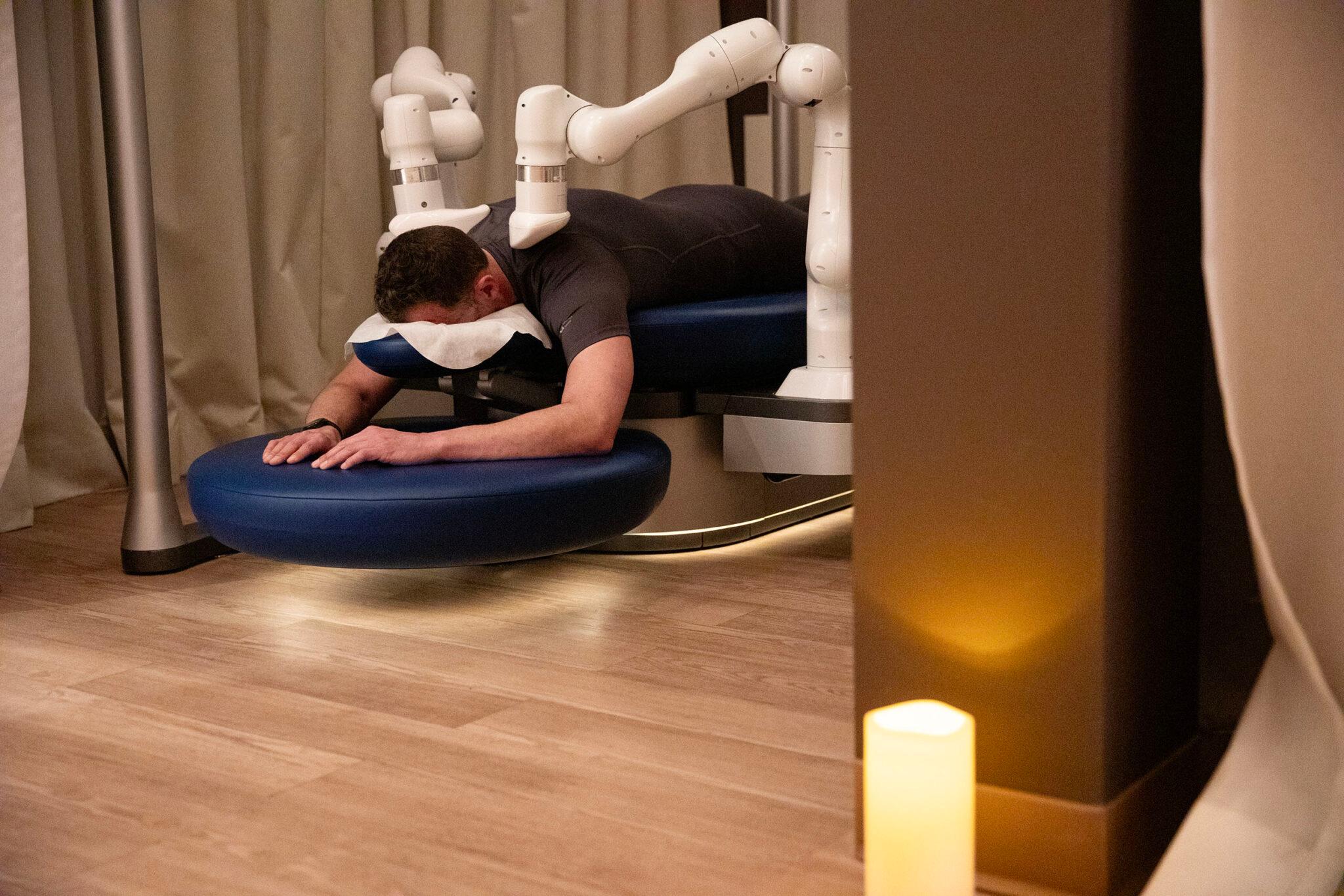
Pressure mapping and custom therapy
Pressure mapping technology is at the forefront of AI-enhanced massage. These systems use sensors – often integrated into massage tables or handheld devices – to measure the pressure applied during a session. The data collected creates a visual representation of pressure distribution across the client’s body, highlighting areas of tension and imbalance.
Spas are using this data in a few key ways. First, it allows therapists to objectively assess a client's needs. Instead of relying solely on subjective feedback, they have concrete data to inform their treatment plan. Second, it facilitates personalized therapy. Therapists can adjust their techniques in real-time, focusing on areas that require more attention and avoiding those that are already relaxed.
Client reactions to pressure mapping have been mixed, from what I’ve gathered through industry conversations. Some appreciate the objective data and the sense of control it gives them. Others find it a bit clinical or intrusive. It really comes down to how the therapist explains the process and integrates it into the overall experience. Transparency is key.
Companies like Sensorium offer systems that provide detailed pressure maps and analysis. While I don’t have specific data on which Colorado spas are using Sensorium, the technology is gaining traction nationally. The goal is to move beyond generalized massage techniques and deliver truly individualized care.
- Objective assessment through data-driven insights helps therapists see tension patterns.
- Personalized therapy allows for targeted treatment based on what the sensors detect.
- Real-time adjustments let the therapist change their pressure or focus mid-session.
Colorado Spas Utilizing Pressure Mapping
- The Broadmoor Spa - This luxurious Colorado Springs spa incorporates pressure mapping technology to personalize massage treatments. Therapists use the data to understand individual muscle tension and tailor techniques for optimal results, focusing on areas needing the most attention.
- Remède Spa at The St. Regis Aspen Resort - Remède Spa in Aspen utilizes advanced pressure mapping systems during select massage services. This allows therapists to visualize and address muscle imbalances, enhancing the effectiveness of deep tissue and therapeutic massages.
- Well & Being Spa at Fairmont Scottsdale Princess (serving Colorado residents) - While located in Scottsdale, Arizona, this spa is a popular destination for Colorado residents seeking advanced wellness treatments. They employ pressure mapping to provide data-driven massage therapy, optimizing pressure and technique for each client's unique needs.
- Gravity Haus Truckee (serving Colorado residents) - Similar to the Fairmont Scottsdale Princess, Gravity Haus in Truckee, California attracts clients from Colorado. They integrate pressure mapping into their recovery services, including massage, to provide targeted relief and improve athletic performance.
- Spa at Four Seasons Resort Vail - This Vail spa is beginning to integrate pressure mapping technology into select massage offerings. The goal is to provide a more objective and personalized experience, identifying areas of tension and tailoring treatments accordingly.
- The Ritz-Carlton, Bachelor Gulch Spa - Located in Avon, this spa is exploring the use of pressure mapping to enhance its massage services. They are focused on using the technology to deliver more targeted and effective treatments for muscle recovery and pain management.
Software that tracks muscle tension
Beyond simply measuring pressure, some spas are exploring AI-driven muscle tension analysis. This goes a step further, attempting to identify underlying patterns of strain and imbalance. The technology often involves computer vision or other AI techniques to assess posture and movement.
For example, a system might analyze a client’s posture using cameras and AI algorithms, identifying areas where muscles are overworking or compensating for weakness. This information can then be used to guide the massage therapist's approach, addressing the root cause of the tension rather than just the symptoms.
I’m a bit cautious about overstating the capabilities of these systems at this point. While the technology is promising, it’s still under development. The accuracy of these analyses can vary, and it's essential to remember that AI is a tool to assist the therapist, not replace their clinical judgment.
The key benefit is the potential for a more holistic and preventative approach to massage therapy. By identifying muscle imbalances early on, therapists can help clients address them before they lead to pain or injury. It’s about empowering clients to take control of their musculoskeletal health.
Robots and automated tools
The idea of robotic massage therapists often conjures images of fully automated machines, but the reality is more nuanced. Currently, robotics in massage therapy primarily takes the form of assistive tools – devices that enhance the therapist’s capabilities rather than replacing them entirely. Percussion massagers and vibrating tools are becoming increasingly common.
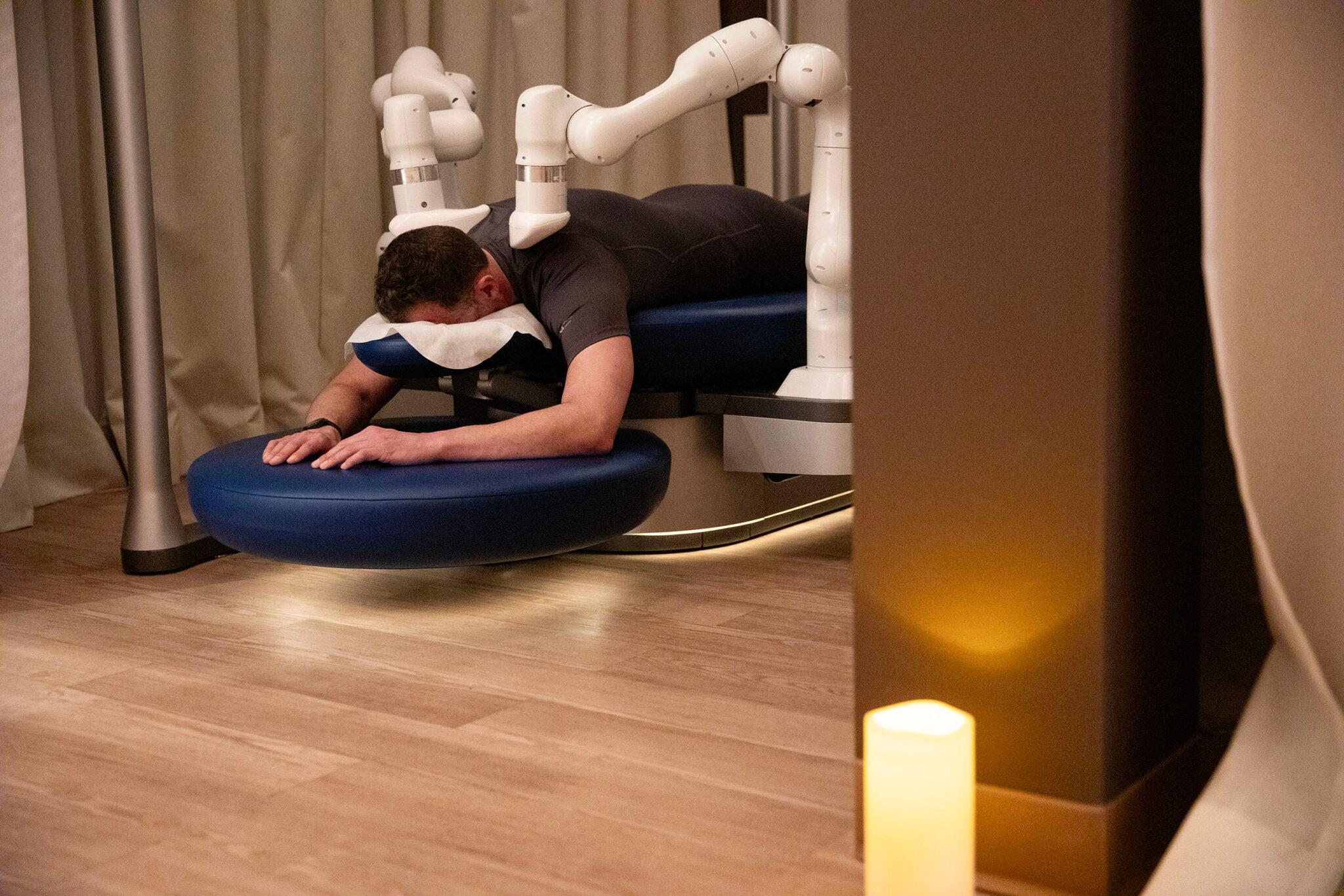
Some spas are experimenting with robotic arms that can deliver precise, repetitive movements, assisting therapists with techniques like deep tissue massage. These tools can help reduce strain on the therapist’s hands and allow them to focus on more complex aspects of the treatment. However, the cost of these systems is significant, limiting their widespread adoption.
Fully automated massage chairs are also gaining popularity, though their quality varies considerably. You'll find these in some Colorado spas, often as an add-on service. While they can provide a convenient and affordable massage experience, they typically lack the nuance and personalization of a session with a skilled therapist. The experience is a lot different.
I’m not entirely convinced that fully automated massage will ever fully replace the human element. The ability to adapt to a client’s unique needs and provide emotional support is something that robots simply can’t replicate. However, assistive tools have the potential to become an integral part of the massage therapist’s toolkit.
Smart sensors for music and lighting
AI isn’t just about physical manipulation; it’s also being used to create a more immersive and relaxing environment. Spas are starting to leverage AI to dynamically adjust music, lighting, and aromatherapy based on client biofeedback.
Imagine a system that monitors a client’s heart rate variability and adjusts the music to promote relaxation. Or a lighting system that shifts colors based on the client’s mood. These subtle adjustments can have a significant impact on the overall wellness experience. It’s about creating a sensory environment that supports deep relaxation.
While this technology is still relatively new, it has the potential to elevate the massage experience to a whole new level. A well-tuned environment can amplify the benefits of the massage, helping clients to release tension and achieve a sense of calm. It's a detail that many people don't consciously notice, but it absolutely contributes to the overall feeling of well-being.
Innovative Colorado spas to watch
While many Colorado spas are experimenting with AI, a few are truly pushing the boundaries. Here are three that stand out for their innovative approach:
The Peaks Recovery Center (Estes Park): While primarily a recovery center, The Peaks integrates biometric sensors and data analysis into its holistic wellness programs, including massage therapy. They focus on using data to personalize treatments and track client progress, offering a more scientific approach to relaxation and rehabilitation.
Remedy Massage & Wellness (Denver): Remedy has invested in advanced pressure mapping technology and is actively training its therapists to interpret and utilize the data. They emphasize client education, explaining the benefits of pressure mapping and involving clients in the treatment planning process. They've made a clear commitment to using technology to improve outcomes.
Colorado Massage, LLC (Antonito): As mentioned earlier, this spa is quietly integrating AI-powered techniques to enhance its services.

No comments yet. Be the first to share your thoughts!