

Colorado's Athlete Recovery Scene
Colorado's active lifestyle, from mountain sports to trail running and skiing, means people here push their bodies. This drives demand for effective recovery strategies, especially sports recovery massage. Athletes at all levels recognize the importance of post-workout care.
Colorado's altitude amplifies the need for recovery. While beneficial for endurance, altitude training stresses the body. Intense training at elevation requires proactive muscle repair and recovery. The focus is shifting from treating injuries to prioritizing preventative care and optimizing recovery between workouts, especially with more people participating in ultra-endurance events.
Demand extends beyond traditional athletes. Functional fitness, CrossFit, and other high-intensity training modalities mean more people experience the benefits and consequences of rigorous physical exertion. The sports recovery market is responding with new spas and clinics opening and existing facilities expanding services. This trend is expected to accelerate by 2026.
Accessible data from wearable technology is also a factor. Athletes track metrics like heart rate variability and sleep quality, helping them understand recovery needs and decide when to seek professional help. This emphasis on personalized recovery drives the current market and will become more prominent.
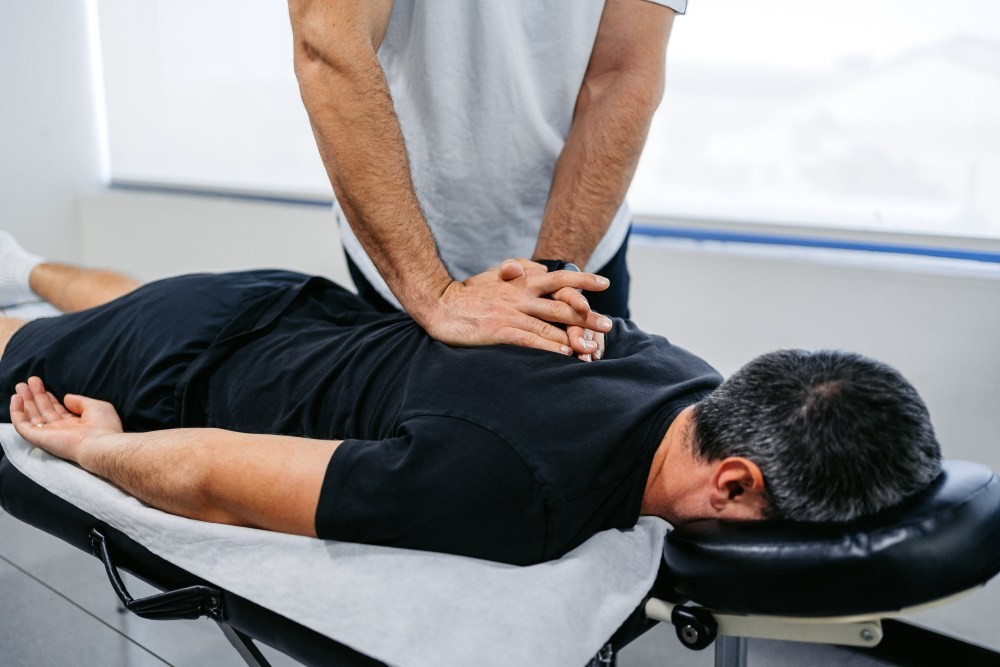
Decoding Sports Massage Techniques
Sports massage targets soft tissues—muscles, tendons, ligaments, and fascia—to address athletes' specific needs. Understanding common techniques helps you communicate your needs to a therapist and choose the right approach.
Effleurage uses long, gliding strokes to warm tissues and increase circulation, focusing on relaxation and preparing muscles for deeper work. Petrissage employs kneading and squeezing motions to work deeper into the muscle belly, releasing tension and improving muscle elasticity. Both reduce overall muscle tightness.
Friction uses small, circular movements to break down adhesions and scar tissue, useful for specific trigger points and chronic muscle pain. Tapotement involves rhythmic tapping or percussion to stimulate muscles and nerves, often used to wake muscles before activity or flush metabolic waste after exercise.
Active Release Technique (ART) and myofascial release are gaining popularity. ART applies targeted pressure to muscles while actively moving them through a range of motion to release entrapped nerves and restore proper muscle function. Myofascial release uses sustained pressure and stretching to release tension in the fascia, the connective tissue surrounding muscles. Both require therapists with specific training.
A skilled therapist assesses individual needs and tailors their approach based on your sport, training intensity, injury history, and specific concerns.
Top Colorado Sports Recovery Spas (2026)
Colorado offers many options for athletes seeking sports recovery massage. The following spas represent a range of services, locations, and price points, selected for positive reviews and commitment to athletic recovery. Prices are estimates as of late 2025 and subject to change.
Colorado Sports Massage (Boulder): Specializes in sports massage with a streamlined, therapeutic approach. Price range: $85 - $150 for 60-90 minute sessions. Standout feature: Dedication to a single service and experienced therapists.
The Woodhouse Day Spa - Denver: Offers a luxurious experience with a wider range of spa services, including deep tissue and sports massage tailored to athletes. Price range: $160 - $250 for 60-90 minute sessions. Standout feature: Upscale amenities and a relaxing atmosphere.
Revive Recovery Studio (Colorado Springs): Focuses on the science of recovery with percussive therapy, compression, and massage. Offers various recovery tools and techniques. Price range: $75 - $130 for 60 minute sessions. Standout feature: Focus on technology-assisted recovery.
Mountain Soul Spa (Vail): Caters to the active mountain lifestyle with sports massage, deep tissue massage, and other recovery treatments. Price range: $180 - $300 for 60-90 minute sessions. Standout feature: Convenient location for skiers and hikers, luxurious amenities.
Therapeutic Sports Massage LLC (Colorado Springs): Known for skilled therapists and personalized treatment plans that address the root cause of muscle imbalances and pain. Price range: $70 - $120 for 60 minute sessions. Standout feature: Personalized treatment and a strong focus on corrective massage.
Radiant Health & Wellness (Fort Collins): Provides a holistic recovery approach, combining massage therapy with acupuncture and chiropractic care. Offers sports massage, deep tissue massage, and trigger point therapy. Price range: $90 - $160 for 60-90 minute sessions. Standout feature: Integrated wellness approach and multiple treatment options.
Aspen Integrative Medical Center (Aspen): Offers comprehensive wellness services, including sports massage, acupuncture, and physical therapy, catering to a high-end clientele with personalized recovery plans. Price range: $200 - $350 for 60-90 minute sessions. Standout feature: High-end facilities and experienced professionals.
Restore Hyper Wellness (Multiple Locations): Offers modalities like compression therapy, infrared sauna, and cryotherapy that complement massage therapy for enhanced recovery. Price range varies. Standout feature: Access to multiple recovery methods in one location.
Featured Products

Bluetooth enabled for personalized recovery programs · 5th generation deep tissue percussion massage · Aids in pain relief and improved circulation
This advanced massage gun offers personalized, deep tissue relief and is a top choice for athletes seeking effective muscle recovery.
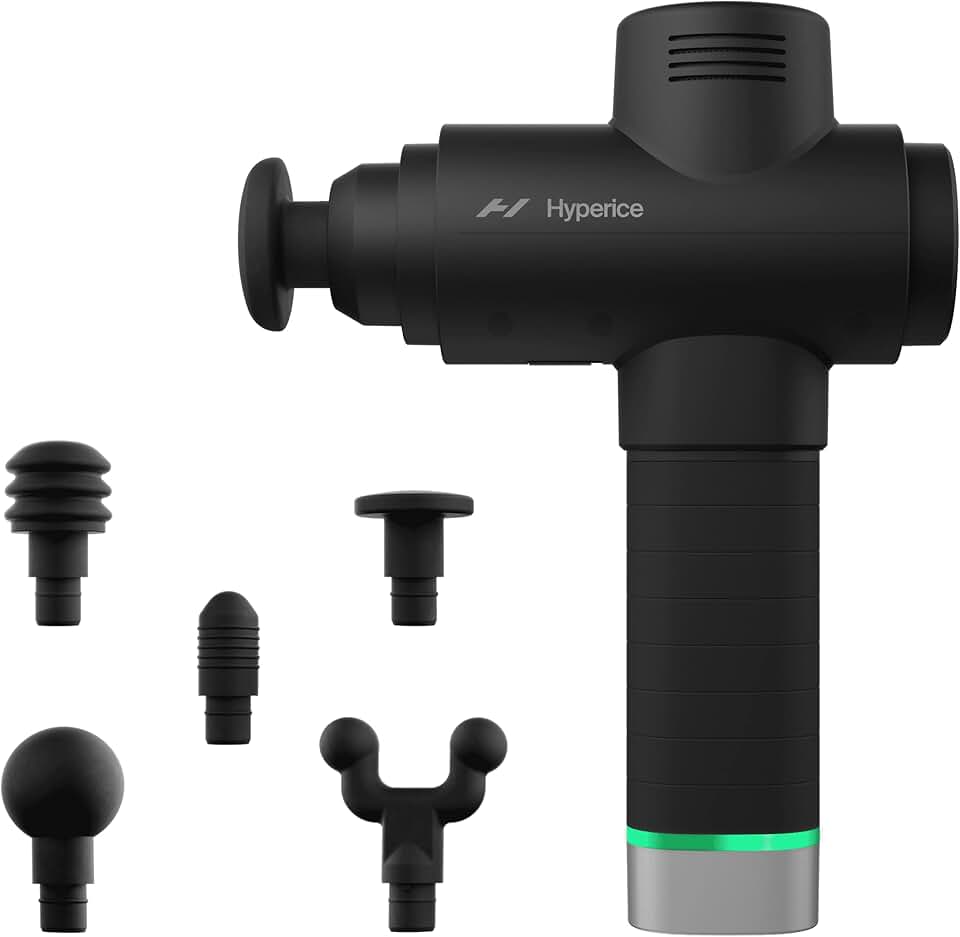
Quiet Glide Technology for discreet use · 5 interchangeable heads for targeted muscle relief · 5 speed settings to customize massage intensity
The Hypervolt 2 Pro provides powerful yet quiet muscle relief with versatile attachments, making it ideal for athletes on the go.

Multi-density foam for varied pressure · 360-degree grid pattern for deep tissue massage · Improves flexibility and range of motion
This versatile foam roller offers deep tissue massage to target muscle knots and improve mobility, essential for post-workout recovery.

Includes TENS kit for pain management · 6 pre-set programs for muscle stimulation · Facilitates muscle performance and recovery
The Compex Performance 3.0 Muscle Stimulator aids in muscle recovery and performance enhancement through targeted electrical stimulation.

Soft density foam for gentle recovery · 36-inch length for full-body rolling · Ideal for physical therapy and gentle stretching
This soft density foam roller is excellent for athletes needing a gentler approach to muscle recovery, physical therapy, and flexibility exercises.
As an Amazon Associate I earn from qualifying purchases. Prices may vary.
Beyond Massage: Integrated Recovery Services
Many Colorado spas offer integrated recovery services beyond traditional massage to accelerate the recovery process. Cryotherapy, brief exposure to extremely cold temperatures, reduces inflammation and muscle soreness. While not for everyone, many athletes find it effective.
Compression therapy uses
Floatation tanks (or sensory deprivation tanks) provide a unique recovery experience. Floating in Epsom salt-saturated water reduces gravity's impact on the body, promoting deep relaxation and reducing muscle tension. The sensory deprivation can also be mentally restorative. I’m seeing more spas incorporate these, but it’s still a relatively niche service.
The integration of wearable tech data into recovery plans is an emerging trend. Some spas are partnering with companies that provide wearable sensors to track athletes’ sleep, heart rate variability, and other metrics. This data is then used to personalize recovery protocols and optimize treatment plans. While still in its early stages, this approach has the potential to revolutionize sports recovery.
Colorado Athlete Recovery Modalities: A Comparison
| Modality | Cost | Time Commitment | Muscle Soreness Relief | Mental Recovery Support | Accessibility |
|---|---|---|---|---|---|
| Massage (Sports Focused) | Moderate to Higher | 60-120 minutes | Generally High | Good | Widely Available - many dedicated sports massage practices |
| Cryotherapy (Whole Body) | Higher | 5-10 minutes per session | Moderate | Limited | Growing, primarily in larger cities and specialized facilities |
| Compression Therapy (Pneumatic) | Moderate | 20-60 minutes | Good | Moderate | Increasingly common in gyms and recovery centers |
| Infrared Sauna | Moderate | 30-60 minutes | Moderate | Good | Fairly Accessible - many gyms and spas offer this |
| Floatation Therapy (Sensory Deprivation) | Moderate to Higher | 60-90 minutes | Moderate | High | Less Common - requires specialized facilities |
| Contrast Therapy (Hot/Cold) | Lower | 20-40 minutes | Moderate | Moderate | Highly Accessible - can be done at home or most gyms |
Qualitative comparison based on the article research brief. Confirm current product details in the official docs before making implementation choices.
Cost & Insurance Coverage
The cost of sports recovery massage in Colorado varies depending on the location, therapist’s experience, and length of the session. A typical 60-minute session can range from $80 to $200, with 90-minute sessions costing $120 to $300. Integrated recovery services, like cryotherapy or compression therapy, typically range from $50 to $150 per session.
Health insurance coverage for sports massage is often limited. It’s generally considered a wellness service rather than a medical necessity, and most insurance plans don’t cover it. However, some plans may cover massage therapy if it’s prescribed by a physician as part of a treatment plan for a specific injury or medical condition. It’s worth checking with your insurance provider.
You may be able to use funds from a Health Savings Account (HSA) or Flexible Spending Account (FSA) to pay for sports massage, but this depends on the specific plan rules. You'll likely need a letter of medical necessity from your doctor. Always verify eligibility with your HSA/FSA administrator before scheduling an appointment.
Finding the Right Therapist
Choosing a qualified sports massage therapist is crucial for ensuring a safe and effective recovery experience. Look for therapists who are Certified Massage Therapists (CMT) and ideally have additional certifications specific to sports massage. Certified Athletic Trainers (ATC) also possess the knowledge and skills to provide effective sports massage.
Experience is also important. Ask about the therapist’s experience working with athletes in your sport. A therapist who understands the specific demands of your activity will be better equipped to tailor their treatment to your needs. Don’t hesitate to ask about their training and continuing education.
During a consultation, discuss your training schedule, injury history, and any specific areas of concern. A good therapist will listen attentively and ask clarifying questions. They should be able to explain their approach and answer your questions in a clear and concise manner. Communication is key – be honest about your pain levels and any discomfort you experience during the session.
Read online reviews and ask for recommendations from other athletes. A strong reputation is often a good indicator of a therapist’s quality and professionalism.
Future Trends in Colorado Recovery
Looking ahead to 2026, the Colorado sports recovery scene will likely be shaped by several key trends. The continued integration of technology will play a significant role. We’ll likely see more spas utilizing wearable sensor data to personalize recovery plans and track progress. Data analytics will become increasingly sophisticated, allowing therapists to identify potential injury risks and optimize treatment protocols.
Personalized recovery plans will become the norm, rather than the exception. Athletes will expect tailored treatment approaches based on their individual needs, training intensity, and physiological data. This will require therapists to have a deeper understanding of biomechanics, physiology, and nutrition.
The emphasis on preventative care will continue to grow. Athletes will increasingly prioritize proactive recovery strategies to prevent injuries and optimize performance. This will drive demand for services like regular sports massage, mobility training, and nutritional counseling. It's about building resilience, not just fixing problems.
The increasing popularity of outdoor activities in Colorado will continue to fuel demand for sports recovery services. As more people participate in hiking, climbing, skiing, and other adventure sports, the need for effective recovery solutions will only increase. I anticipate we’ll see more specialized recovery centers catering to specific outdoor pursuits.

No comments yet. Be the first to share your thoughts!