

Colorado's spa scene is changing
Colorado has always been a destination for outdoor adventure, but increasingly, it’s becoming known for wellness tourism. People aren't just coming to ski or hike; they're looking for ways to rejuvenate and reconnect with themselves. This demand is driving a fascinating evolution in the state’s massage and spa industry.
For years, Swedish and deep tissue massages dominated the offerings. Now, we’re seeing a surge in interest for more specialized and unique treatments. Two techniques leading that charge are hot stone massage and Himalayan salt stone therapy. While both utilize heated stones to promote relaxation, they differ significantly in their origins, the stones themselves, and the specific benefits they aim to deliver.
The shift isn't just about novelty. Clients are becoming more informed and are actively seeking therapies that address not only muscle tension but also overall well-being. This has opened the door for these, and other, alternative massage modalities to gain traction. It's a good time to be a massage enthusiast in Colorado—and a bit of an exciting time to be a therapist, too.
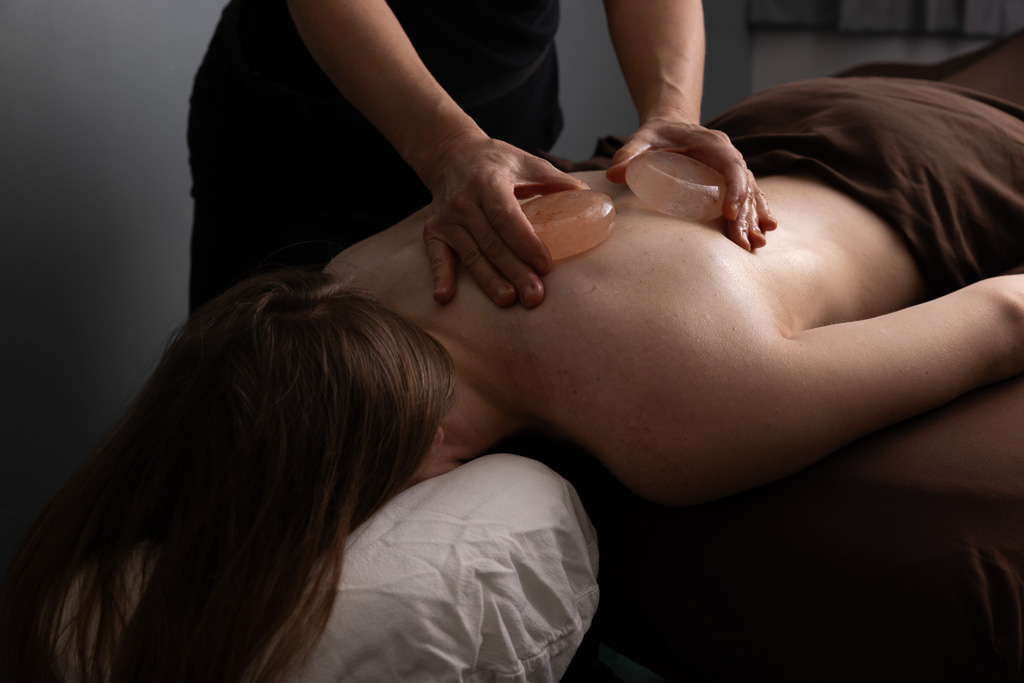
Hot stone massage: Warmth and relaxation
Hot stone massage has ancient roots, with Native American tribes using heated stones therapeutically centuries ago. Mary Hannigan popularized the modern version in 1993.
Smooth, flat basalt or river stones, chosen for heat retention, are heated in water (110-130°F). Therapists place them on the body's key points, like the spine, palms, or between toes, or use them directly for massage.
The heat relaxes muscles, increases circulation, and eases pain, leading to a sense of calm. It reduces muscle tension, improves flexibility, and can help with anxiety and depression. A 60-minute session in Colorado costs about $150-$200.
While great for relaxation, hot stone massage also addresses physical ailments. It can be part of a pain management plan. Always tell your therapist about any health concerns.
Himalayan salt stone therapy: Minerals and detox
Himalayan salt stone therapy, a newer technique, has gained attention in the last decade. The stones come from Pakistan's Khewra Salt Mine, formed from ancient sea beds compressed over millions of years, giving them a pink hue and unique mineral makeup.
The stones contain 84 trace minerals. While scientific evidence is limited, many report feeling detoxified and balanced after a session. The warmth and minerals are thought to release tension and promote healing.
Himalayan salt stones are often warmed in salt water to enhance their properties. They are used like hot stones but have a less smooth, slightly exfoliating texture. A 60-minute session in Colorado typically costs $175-$250, usually more than traditional hot stone massage.
The heat from Himalayan salt stones is often described as a 'dry' heat, feeling like it penetrates deeper than the moist heat of traditional hot stones. Clients often notice this subtle difference.
How heat works in massage
Both hot stone massage and Himalayan salt stone therapy rely on the principle of thermotherapy—using heat to promote healing. When heat is applied to the body, it causes vasodilation, which means the blood vessels expand. This increased blood flow delivers more oxygen and nutrients to the muscles, helping to reduce tension and pain.
This vasodilation also helps to remove metabolic waste products, further contributing to muscle recovery. Heat also lengthens muscle fibers, increasing flexibility and range of motion. The physiological effects are well-documented; studies on thermotherapy have consistently shown its benefits for muscle soreness, chronic pain, and joint stiffness.
The sensation of warmth activates the parasympathetic nervous system, which is responsible for the 'rest and digest' response. This helps to lower heart rate, reduce blood pressure, and promote relaxation. It's a pretty straightforward process, really: heat eases muscle tension, improves circulation, and calms the nervous system. The specific minerals in Himalayan salt stones may offer additional benefits, but more research is needed to confirm these claims.
Hot Stone vs. Salt Stone - Physiological Effects
| Effect | Hot Stone | Himalayan Salt Stone |
|---|---|---|
| Muscle Relaxation | High - The heat directly warms and relaxes muscles, reducing tension and spasms. | Medium - The salt stones also provide warmth, but the mineral composition is believed to contribute to a more focused relaxation of muscle fibers. |
| Circulation | Medium - Heat from the stones dilates blood vessels, improving circulation in the targeted areas. | High - Salt stones are thought to enhance circulation due to the ionization of the salt, potentially promoting better blood flow. |
| Pain Relief | Medium - Heat can alleviate pain by reducing muscle tension and increasing blood flow, offering temporary relief. | Medium - The combination of heat and the mineral content may help reduce inflammation and alleviate certain types of pain. |
| Detoxification | Low - While increased circulation can aid in waste removal, hot stone massage isn't primarily a detoxification therapy. | Medium - Proponents believe the ionization of the salt stones helps draw toxins from the body, though scientific evidence is limited. |
| Stress Reduction | High - The warmth and smooth stone movements promote deep relaxation, reducing stress and anxiety. | Medium - The unique sensation of the salt stones and their perceived energy can contribute to stress reduction, though effects may vary. |
| Inflammation | Low - Heat can provide temporary relief from inflammation, but doesn't address the root cause. | Medium - Himalayan salt is believed to have anti-inflammatory properties, potentially offering more significant relief, though more research is needed. |
| Energy Balance | Low - Traditionally associated with energy work, but not a primary focus in most modern hot stone practices. | Medium - Himalayan salt stones are often associated with balancing energy centers (chakras) in holistic practices. |
Illustrative comparison based on the article research brief. Verify current pricing, limits, and product details in the official docs before relying on it.
Where to find these treatments in Colorado
Colorado is brimming with spas offering both hot stone and Himalayan salt stone massage. Here are a few standouts across the state:
The Oxford Club, Spa & Salon (Denver): A luxurious urban retreat offering both treatments, with prices starting around $180 for a 60-minute session.
Remède Spa at The St. Regis Aspen Resort (Aspen): A high-end experience with stunning mountain views. Himalayan salt stone therapy is a specialty, priced around $275 for 60 minutes.
The Broadmoor Spa (Colorado Springs): Offers a comprehensive menu including both hot stone and salt stone therapies, with pricing varying based on session length and therapist. Expect to pay around $200 for a 60-minute hot stone massage.
Element 47 Spa at The Little Nell (Aspen): A smaller, more intimate spa known for its personalized service and high-quality treatments. Both modalities are available, starting around $220.
Gravity Haus (Breckenridge): Offers a modern approach to wellness, with both hot stone and salt stone massages available as part of their recovery services. Pricing starts around $160.
At-Home Spa Essentials: Hot Stone & Himalayan Salt Stone Therapy
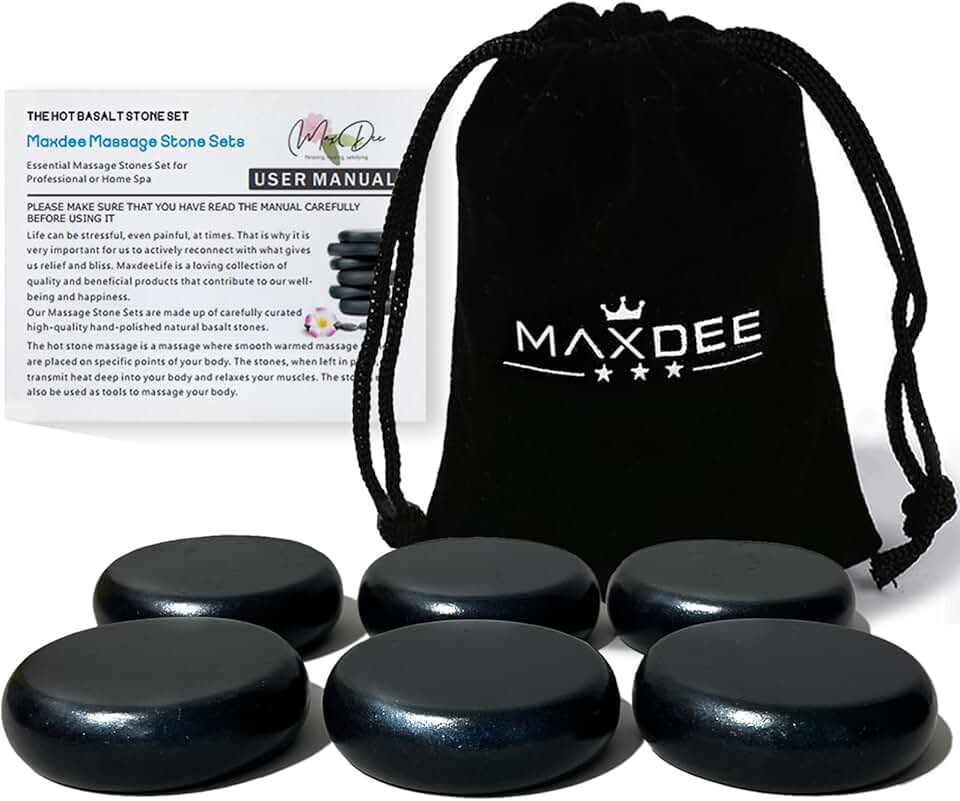
Includes 6 medium-sized massage stones (2.4 inches) · Suitable for professional spa use or home relaxation · Designed for heat retention for therapeutic benefits
This kit provides the essential tools for experiencing the deeply relaxing and pain-relieving benefits of traditional hot stone massage at home.
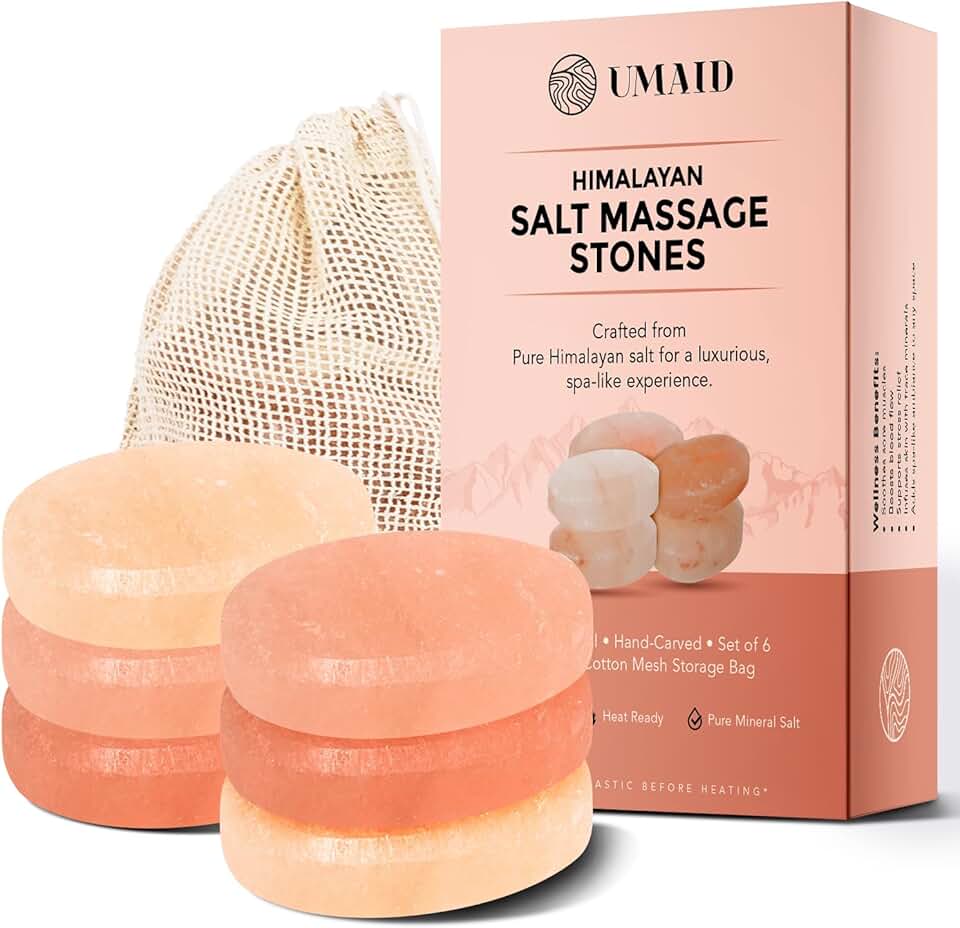
Set of 6 hand-carved Himalayan salt stones · Made from natural pink crystal salt · Includes a cotton mesh bag for storage and use
These unique Himalayan salt stones offer a mineral-rich massage experience, promoting relaxation and skin rejuvenation.

Set of 5 USDA Organic essential oils · Includes popular scents: Peppermint, Lavender, Eucalyptus, Lemongrass, and Orange · 100% pure and natural, suitable for aromatherapy and DIY projects
Elevate your massage experience with these pure, organic essential oils, perfect for enhancing relaxation and creating a calming atmosphere.
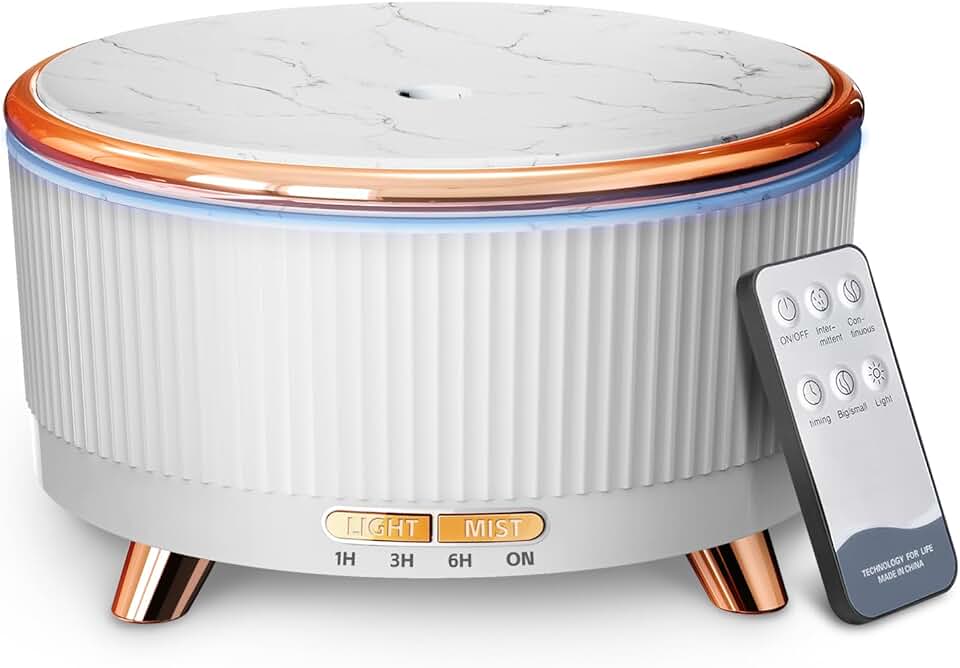
Large 500ML capacity for extended use · Ultrasonic technology for quiet operation and cool mist · Features 7 color LED lights, remote control, timer, and auto shut-off
This versatile diffuser can transform your space into a tranquil sanctuary, complementing both hot stone and salt stone therapies with soothing aromatherapy.
As an Amazon Associate I earn from qualifying purchases. Prices may vary.
Who benefits most from these massages
Hot stone massage is an excellent choice for individuals experiencing muscle tension, stress, or poor circulation. It’s particularly beneficial for those with chronic pain conditions like fibromyalgia or arthritis. The gentle heat can help to soothe sore muscles and improve range of motion. It's also a great option for anyone simply looking to relax and de-stress.
Himalayan salt stone therapy may be preferred by those seeking a more grounding and detoxifying experience. The minerals in the stones are believed to help balance energy levels and promote overall well-being. It's a good choice for people who are interested in alternative therapies and are drawn to the idea of mineral healing.
However, both treatments have contraindications. They are not recommended for people who are pregnant, have open wounds or skin conditions, have a fever, or have certain medical conditions like blood clots or heart disease. Always consult with your doctor and your massage therapist before undergoing either treatment. If you have diabetes or neuropathy, be extra cautious about heat sensitivity.
Other wellness trends in Colorado
Colorado’s wellness scene is booming, with several other massage and therapeutic techniques gaining popularity alongside hot stone and Himalayan salt stone therapy. CBD massage, which incorporates cannabidiol oil into the massage, is a growing trend, offering potential anti-inflammatory and pain-relieving benefits. Cupping therapy, an ancient practice involving the application of suction cups to the skin, is also becoming increasingly common.
Aromatherapy, using essential oils to enhance the massage experience, remains a staple in many spas. These treatments all cater to a growing demand for holistic wellness and a desire to address both physical and emotional well-being. While hot stone and salt stone therapy offer unique benefits, they’re part of a larger movement towards more personalized and integrative approaches to health and wellness in Colorado.

No comments yet. Be the first to share your thoughts!