

The rise of data-driven massage
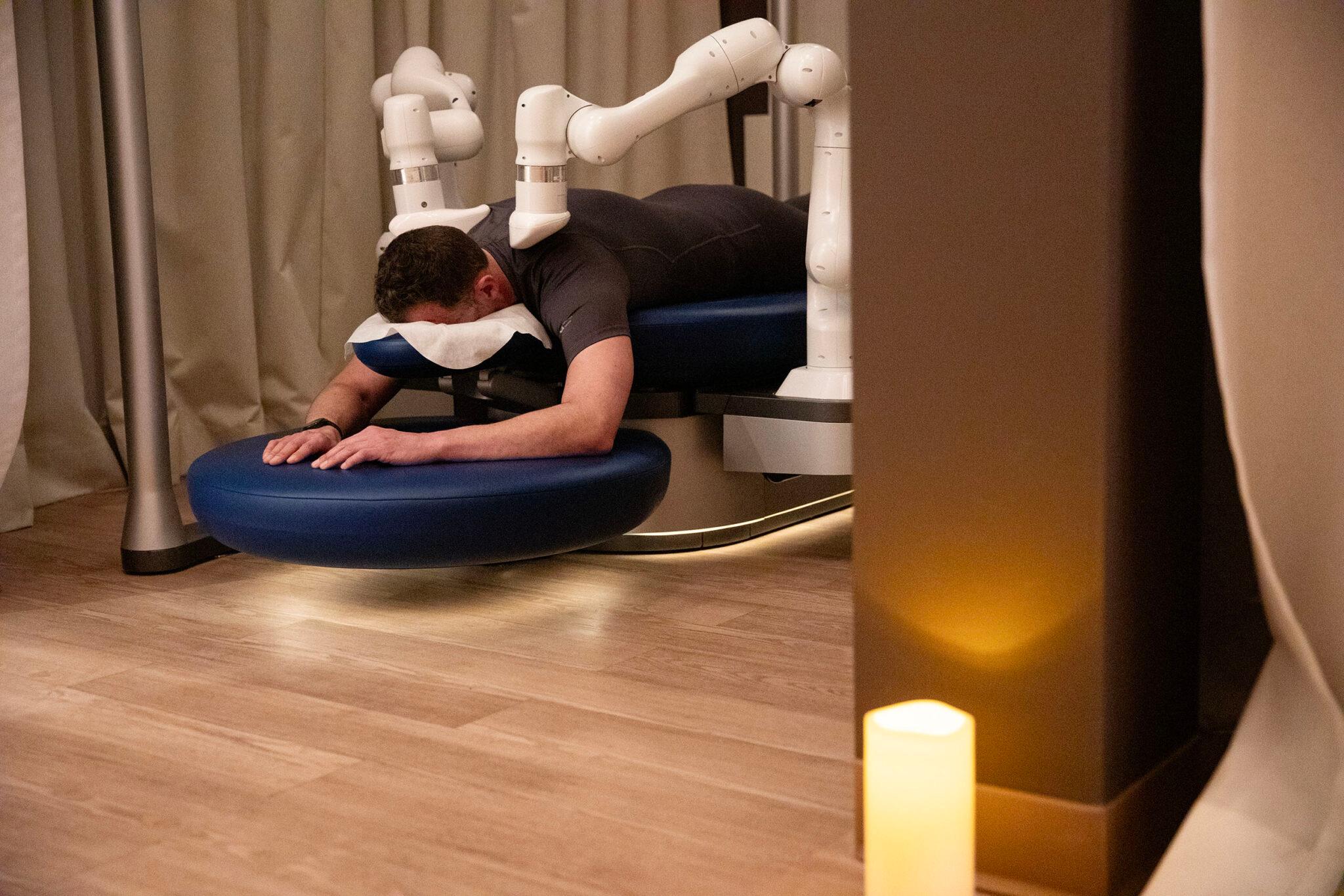
Colorado is a testing ground for AI-enhanced massage. In practice, this means spas are using real-time pressure mapping and biofeedback sensors to adjust to your body's tension. These algorithms track your preferences over multiple sessions, moving the industry toward data-driven relaxation.
The move towards incorporating artificial intelligence isn’t happening in a vacuum, though. House Bill 26-1139, passed by the Colorado General Assembly, is now shaping how AI is implemented within healthcare, and that includes massage therapy. The bill, taking effect August 12, 2026, addresses data privacy and informed consent – crucial considerations when dealing with technology that collects and analyzes personal health information. It’s a good sign that Colorado is proactively addressing these concerns.
For a long time, a massage has been about the therapist’s skill and intuition. That isn’t going away. Instead, AI aims to augment those skills, giving therapists more insight into a client’s needs and allowing them to deliver a truly customized treatment. It’s about precision, consistency, and a deeper understanding of the body. I think the initial fears about robots replacing human touch are largely unfounded; this is about collaboration, not substitution.
Right now, the scene is still emerging. We aren’t seeing AI-powered massage in every spa, but the foundation is being laid. The legislation provides a framework, and early adopters are beginning to experiment with these new technologies. It’s an exciting time, but it’s also a period of uncertainty as the industry figures out the best way to integrate AI responsibly and effectively.
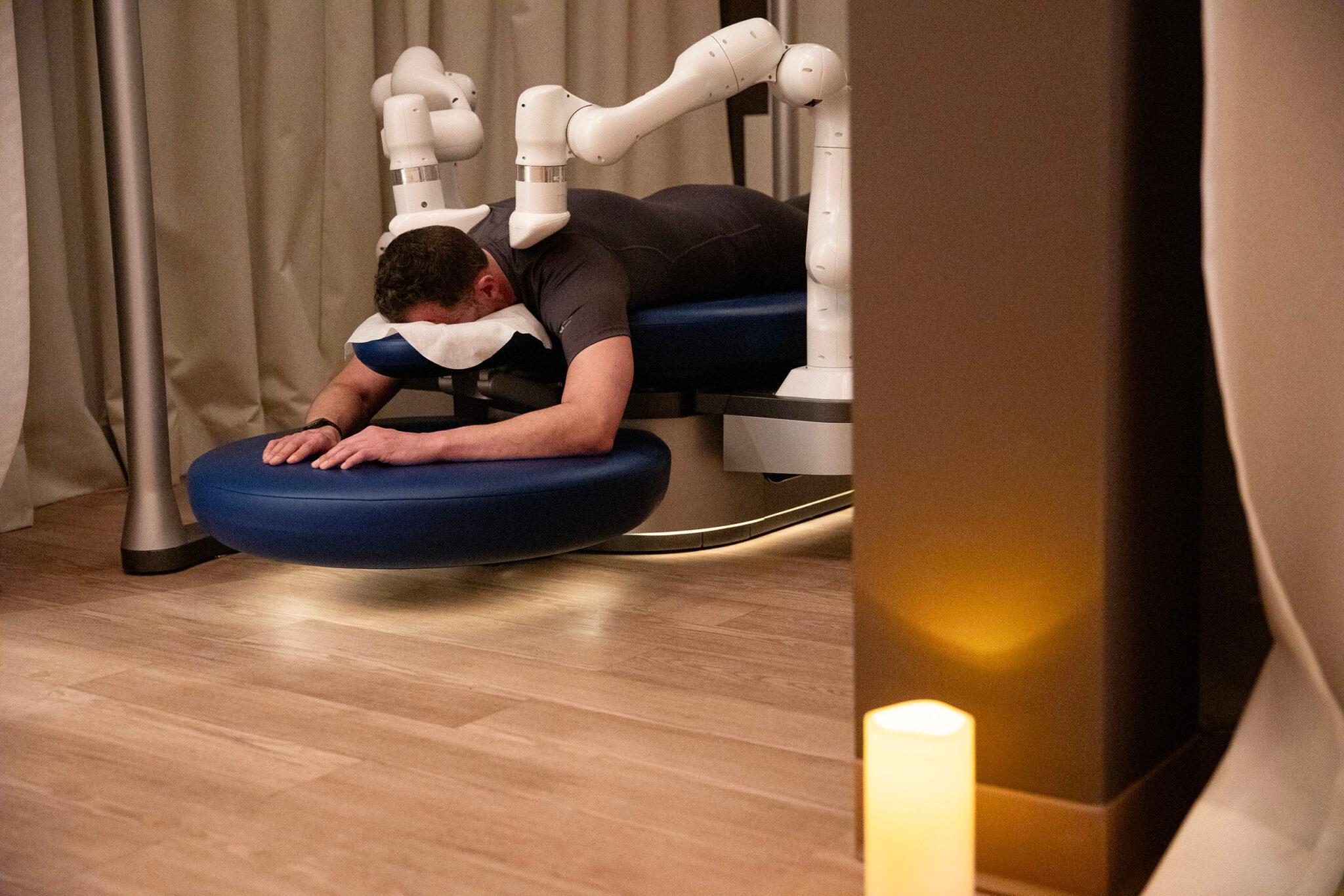
AI Cottage: A Pioneer in Arvada
AI Cottage Massage in Arvada appears to be one of the first spas in Colorado to fully embrace AI-enhanced massage. According to Yelp, as of April 2026, they’ve garnered a 3.0 rating based on 40 reviews. That rating isn't overwhelmingly positive, but the reviews offer a fascinating glimpse into what an AI-assisted massage actually feels like. It’s important to remember that a 3.0 rating isn't necessarily bad; it simply means there's room for improvement, and the customer experiences are varied.
The services offered at AI Cottage include therapeutic massage, massage, and reflexology. While the specific AI technologies used aren’t detailed on Yelp, reviews mention a focus on personalized pressure and technique. Several customers describe the experience as different from a traditional massage, with the AI seemingly adjusting the pressure based on their body’s response. One reviewer noted a more targeted approach to areas of tension, while another felt it lacked the intuitive touch of a human therapist. It seems the experience is highly subjective.
Pricing isn't readily available online, but it's reasonable to assume AI-enhanced services come at a premium. It costs money to implement and maintain these technologies, and that cost is likely passed on to the customer. I suspect prices range from $120 to $200+ for a 60-minute session, but confirmation would require contacting AI Cottage directly. The value proposition, of course, is whether the personalized experience justifies the higher cost.
What’s interesting is the emphasis on verification of services on Yelp. AI Cottage actively verifies its offerings, signaling a commitment to transparency. This is especially important in a new field where customers might be skeptical. Reading through the reviews, a common thread is curiosity – people are genuinely interested in trying this new approach, even if they aren’t entirely sure what to expect. The varied feedback suggests that AI-enhanced massage isn’t a one-size-fits-all solution, and finding the right therapist and technique is still key.
- Yelp Rating: 3.0
- Services: Massage Therapy, Massage, Reflexology
- Location: 11651 W 64th Ave, Arvada, Colorado
Beyond Arvada: Emerging Spas & Tech
While AI Cottage is currently leading the charge, other spas in Colorado are beginning to explore the potential of AI. It's still early days, and concrete examples are scarce, but the interest is definitely growing. I’ve noticed a surge in social media posts from therapists experimenting with AI-powered content creation – The GU'd Life Therapist on Instagram, for example, is using AI to generate content related to massage and wellness.
Beyond content creation, potential applications of AI in spas include AI-powered scheduling systems that optimize therapist availability and minimize wait times. Personalized aromatherapy, where AI analyzes a client’s physiological data to recommend specific essential oil blends, is another intriguing possibility. Muscle tension analysis, using sensors to identify areas of stress and imbalance, could also become more common.
I’m also hearing whispers about spas experimenting with AI-driven ambient lighting and soundscapes, designed to enhance relaxation and create a more immersive experience. The idea is to create a holistic environment that caters to all the senses, guided by AI algorithms. However, many of these applications are still in the experimental phase, and it’s unclear when (or if) they will become widely adopted.
The challenge is that many of these technologies are expensive and require specialized training. Smaller spas may struggle to afford the initial investment. Furthermore, there’s a need for robust data privacy and security protocols to protect client information. The legal framework established by HB26-1139 will undoubtedly play a role in shaping how these technologies are implemented.
Inside an AI-assisted session
Let's imagine you've booked an AI-enhanced massage. What would a typical session look like? It likely begins with a standard health intake form, similar to a traditional massage. However, you might also be asked to consent to the collection and analysis of physiological data. This is where HB26-1139 comes into play – spas are legally obligated to obtain your informed consent before collecting any personal health information.
Once you're settled on the massage table, sensors might be attached to your body to monitor things like heart rate variability, muscle tension, and skin temperature. These sensors provide real-time feedback to the AI system, which then adjusts the massage technique accordingly. Some systems also use pressure mapping technology to identify areas of tension and guide the therapist’s hands.
The therapist plays a crucial role in this process. They aren’t simply letting the AI take over; they’re interpreting the data and using their expertise to fine-tune the treatment. The AI provides valuable insights, but the therapist’s skill and intuition are still essential. It's a collaborative effort. I see AI as a powerful tool that empowers therapists to deliver more effective and personalized care.
Throughout the session, the AI might adjust the pressure, speed, and direction of the massage based on your body’s response. You might also receive personalized aromatherapy recommendations or ambient lighting adjustments. The goal is to create a dynamic and responsive experience that addresses your individual needs. After the session, the data collected could be used to track your progress and optimize future treatments. It's a continuous cycle of learning and improvement.
- Step 1: Health intake and informed consent for data collection.
- Step 2: Attachment of biofeedback sensors.
- Step 3: AI-powered data analysis and personalized massage adjustments.
- Step 4: Therapist interpretation and refinement of the treatment.
- Step 5: Post-session data tracking and optimization for future sessions.
New privacy laws for 2026
House Bill 26-1139 is a significant piece of legislation that governs the use of AI in healthcare in Colorado. It addresses crucial issues like data privacy, informed consent, and liability. For massage spas incorporating AI, understanding this bill is paramount. The effective date is August 12, 2026, assuming the General Assembly adjourns on May 13, 2026.
One key provision of the bill is the requirement for informed consent. Spas must clearly explain to clients what data is being collected, how it will be used, and who will have access to it. Clients must have the right to refuse data collection without impacting the quality of their massage. Transparency is key. The bill also establishes data security standards to protect client information from unauthorized access.
HB26-1139 also addresses potential liabilities. If an AI system makes an error that harms a client, the spa could be held responsible. This is why it’s crucial for spas to carefully vet the AI technologies they use and ensure they are properly maintained and monitored. The bill doesn’t necessarily prohibit the use of AI, but it does create a framework for responsible implementation.
It's important to note that the bill is relatively broad and open to interpretation. Legal experts are still analyzing its implications, and we can expect further clarification in the coming months. Spas should consult with legal counsel to ensure they are fully compliant with the law. This is a rapidly evolving area, and staying informed is essential.
- Informed Consent: Required before collecting any personal health data.
- Data Privacy: Strict standards for protecting client information.
- Liability: Spas can be held responsible for AI-related errors.
- Effective Date: August 12, 2026 (pending GA adjournment)
Colorado Spas Integrating AI
- The Broadmoor (Colorado Springs) - This luxury resort is piloting personalized massage recommendations based on guest preferences and post-session feedback, utilizing data analysis to refine treatment plans. They focus on enhancing therapist insights, not replacing them.
- Remède Spa at The St. Regis Aspen Resort (Aspen) - Remède Spa is exploring AI-powered pressure mapping technology during massage sessions to provide therapists with real-time data on muscle tension and treatment effectiveness, aiming for more targeted relief.
- Gravity Haus (Breckenridge & Vail) - Gravity Haus utilizes data collected through pre-treatment questionnaires and wearable technology integration (guests can opt-in) to suggest optimal massage modalities and durations, focusing on recovery and performance.
- The Oxford Club, Spa & Salon (Denver) - The Oxford Club is implementing AI-driven scheduling and client intake systems to streamline the booking process and gather detailed information about client needs, improving personalization.
- Spa at Four Seasons Resort and Residences Vail (Vail) - This spa is investigating AI-supported analysis of client feedback forms to identify trends and areas for service improvement, enhancing the overall guest experience.
- Devil’s Thumb Ranch Resort & Spa (Tabernash) - Devil’s Thumb Ranch is testing AI-powered ambient lighting and sound synchronization within massage rooms, designed to deepen relaxation based on client biofeedback (with consent).
Cost & Accessibility: What Will It Set You Back?
AI-enhanced massages are likely to be more expensive than traditional massages. The cost of implementing and maintaining AI technology is significant, and spas will need to recoup those costs. I estimate that a 60-minute AI-enhanced massage could range from $150 to $250, depending on the spa and the specific services offered. It’s a premium experience, and the price reflects that.
Whether these services will be covered by insurance is uncertain. Currently, most insurance companies do not cover massage therapy, even traditional massage. However, as AI-enhanced massage becomes more mainstream, there’s a possibility that insurance coverage could expand, particularly if the technology is shown to have demonstrable health benefits. Don’t count on it immediately, though.
Accessibility is another concern. Currently, AI-enhanced massage is largely concentrated in urban areas, like Arvada with AI Cottage. It’s unlikely to be readily available in rural areas of Colorado anytime soon. The cost of implementing the technology, combined with the limited potential customer base, makes it less viable in those areas. This creates a disparity in access to these services.
Ultimately, the cost and accessibility of AI-enhanced massage will depend on a variety of factors, including technological advancements, insurance coverage, and market demand. It’s a developing situation, and we’ll need to see how it evolves over the next few years. For now, it remains a luxury service for those who can afford it.
Future Trends: Where is This Heading?
The future of AI in massage therapy is full of possibilities. I anticipate we’ll see more sophisticated sensors that can accurately measure muscle tension, stress levels, and even emotional state. This data will be used to create even more personalized and effective treatments. We might even see AI systems that can diagnose muscle imbalances or other health conditions, although that raises significant ethical and legal considerations.
Another trend I foresee is the development of AI-powered virtual massage therapists. While this might sound far-fetched, it’s not entirely unrealistic. AI could be used to guide a client through a self-massage routine, providing real-time feedback and adjustments. This could be particularly useful for people who don’t have access to a professional massage therapist.
Ultimately, the goal of AI in massage therapy isn’t to replace human touch, but to enhance it. It’s about empowering therapists to deliver more effective and personalized care, and about making wellness more accessible to everyone. It’s an exciting time for the industry, and I’m eager to see how it evolves over the next few years. However, responsible implementation, guided by legislation like HB26-1139, will be crucial for ensuring that AI is used ethically and effectively.
Enhance Your AI-Powered Relaxation: Top Tech for Home

App and voice control (Alexa compatible) · 500ml capacity · Creates a relaxing atmosphere
This smart diffuser allows you to customize your aromatherapy experience, bringing a key element of spa ambiance into your home.
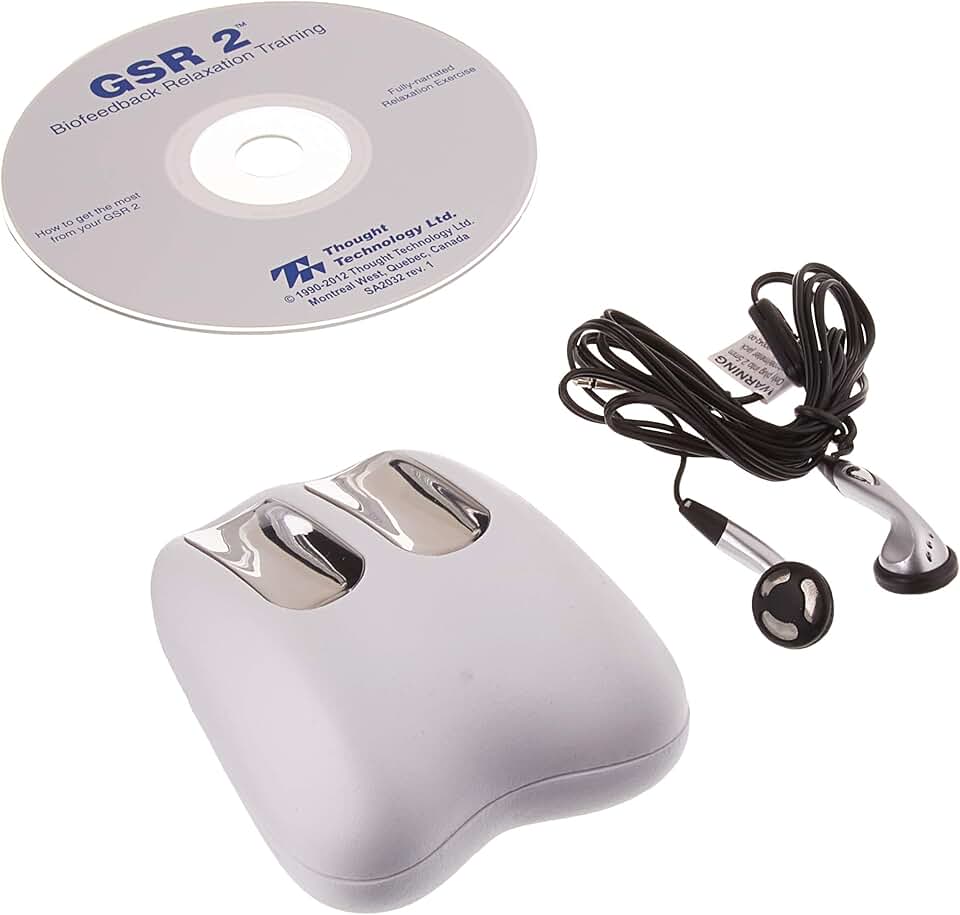
Measures Galvanic Skin Responses (GSR) · Provides biofeedback on physiological states · Aids in stress and relaxation management
This biofeedback unit offers a direct way to monitor your body's response to relaxation techniques, mirroring the advanced monitoring found in professional spas.

Active noise cancellation · Up to 24 hours of playtime · Wireless Bluetooth connectivity
These headphones provide an unparalleled auditory escape, essential for deep relaxation and blocking out external noise, much like a private treatment room.

20 lbs weight for deep pressure stimulation · Breathable fabric for comfort · Premium glass bead filling
The deep pressure stimulation from this weighted blanket mimics therapeutic touch, promoting a profound sense of calm and well-being at home.

120 unique essential oil scents · Versatile for diffusers, massage, skincare, and more · Includes fruity, floral, bakery, woody, and herbal blends
This extensive set provides the aromatic foundation for a personalized spa experience, allowing you to tailor scents to your mood and desired relaxation.
As an Amazon Associate I earn from qualifying purchases. Prices may vary.

No comments yet. Be the first to share your thoughts!