

Colorado's AI Massage Scene: A First Look
Colorado has always been a haven for wellness, and increasingly, that wellness is being shaped by technology. A quiet revolution is happening in the state’s massage therapy world – the integration of artificial intelligence. This isn't about robotic arms delivering deep tissue work. Instead, 'AI-enhanced' massage refers to the use of technology to augment a therapist’s skills, personalize treatments, and offer a more data-driven approach to relaxation and recovery.
There's a growing demand for personalized experiences in every sector, and massage is no exception. People want treatments tailored specifically to their needs, not a generic one-size-fits-all approach. Colorado, with its embrace of both outdoor activity and innovative thinking, seems particularly well-suited to lead the way in this new era of wellness. The development of these technologies is exciting to see as they are implemented by spas across the state.
The interest in AI-assisted massage isn’t necessarily about replacing the human touch, which remains fundamentally important. It’s more about providing therapists with better tools and information to deliver more effective and targeted care. This translates to a more beneficial experience for the client, and ultimately, a more holistic approach to well-being.
The Tech Behind the Touch: AI Applications
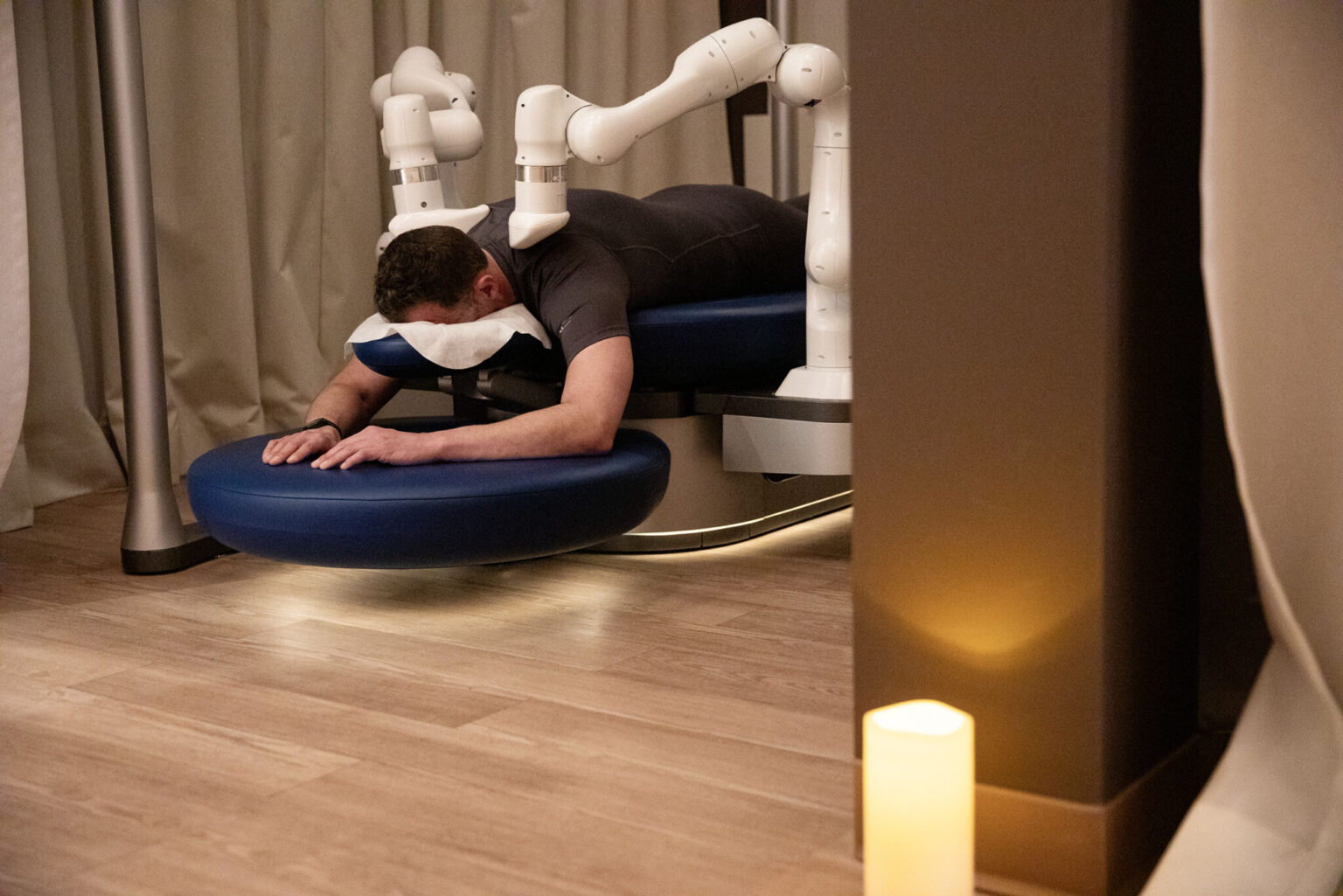
The AI being used in Colorado massage therapy isn’t about creating automated massage robots, but rather equipping therapists with smarter tools. One of the most common applications is pressure mapping. Sensors integrated into massage tables can now detect the precise amount of pressure being applied to different areas of the body, giving the therapist real-time feedback and helping them to avoid overworking sensitive areas. This is a huge step towards objective assessment of muscle tension and client comfort.
Beyond pressure mapping, AI is being used to analyze muscle tension patterns. Some systems use algorithms to identify areas of restriction and suggest targeted techniques for release. This isn’t a replacement for a therapist’s intuition and training, but it can provide valuable insights and help them to refine their approach. This technology has the potential to be especially helpful for addressing chronic pain conditions.
Personalization extends beyond the physical treatment. Spas are also employing AI to curate personalized experiences like music and aromatherapy. Biometric data, collected through wearable devices or simple sensors, can be used to select scents and soundscapes that promote relaxation and enhance the therapeutic effect. The goal is to create a truly immersive and individualized experience.
Finally, AI is streamlining the administrative side of things. AI-powered scheduling systems and digital intake processes are making it easier for clients to book appointments and for therapists to manage their workflow. This allows them to focus more on what they do best: providing exceptional care.
Top 6 Colorado Spas Pioneering AI Massage
Colorado is quickly becoming a hub for innovative spa experiences, and these six locations are leading the charge in integrating AI into their massage offerings. The level of AI integration varies – some spas are using it extensively, while others are just beginning to explore its potential. This article highlights those that are truly pushing the boundaries.
The Sanctuary Spa (Denver): This Denver spa is utilizing pressure mapping technology in their deep tissue and sports massage treatments. Clients receive a detailed report after their session showing areas of high tension. Prices range from $150-$220 per hour. Their website is thesanctuarydenver.com.
Boulder Bodywork (Boulder): Focused on chronic pain management, Boulder Bodywork uses AI-powered muscle tension analysis to create highly personalized treatment plans. They combine this with traditional myofascial release techniques. Expect to pay between $180 and $250 for a 75-minute session. You can find them at boulderbodywork.com.
Aspen Integrative Wellness (Aspen): This luxurious spa incorporates AI-driven aromatherapy and sound therapy into their signature massage treatments. They also offer AI-powered fitness assessments to complement their wellness packages. Massage prices start at $280 per hour. Learn more at aspenwellness.com.
The Peaks Resort & Spa (Telluride): The Peaks has invested in AI-enhanced massage tables that provide real-time feedback to therapists on pressure and technique. They also use AI to personalize music and lighting during sessions. Prices range from $175 to $260. Their website is peaksresortspa.com.
Steamboat Springs Wellness Center (Steamboat Springs): This center utilizes AI-powered scheduling and intake processes to streamline the client experience. They also offer AI-suggested stretches and exercises as part of their post-massage recovery plans. Prices are in the $120-$180 range per hour. Check them out at steamboatwellness.com.
Colorado Massage, LLC (Pueblo): While perhaps not as high-tech as some of the resort spas, Colorado Massage, LLC in Pueblo is embracing online booking and digital intake forms, which, while a simpler application of AI, significantly improves client convenience. A 60-minute massage costs around $80-$100. You can book appointments at massagebook.com.
Enhance Your Relaxation: Top Products for an AI-Inspired At-Home Massage Experience

Bluetooth enabled for app connectivity · 5th generation percussion massage gun · Targets deep muscle tissue for pain relief and circulation
This advanced massage gun uses Bluetooth connectivity to offer personalized, deep-tissue relief, mirroring the tech-driven approach of AI-enhanced spas.

Measures BMI, body fat, and muscle mass · Bluetooth connectivity syncs with health apps · FSA & HSA eligible
This smart scale provides comprehensive body composition analysis and syncs with apps, allowing users to track their wellness journey alongside AI-enhanced spa treatments.

Ultrasonic aromatherapy diffuser and humidifier · 7 color-changing LED lights and 4 timer settings · Automatic shut-off for safety
This essential oil diffuser creates a calming atmosphere with customizable lighting and aromatherapy, enhancing the at-home relaxation experience.

Active noise cancellation technology · Wireless Bluetooth connectivity · Up to 24 hours of playtime
These headphones offer immersive sound and active noise cancellation, perfect for creating a tranquil environment for personal relaxation or meditation.
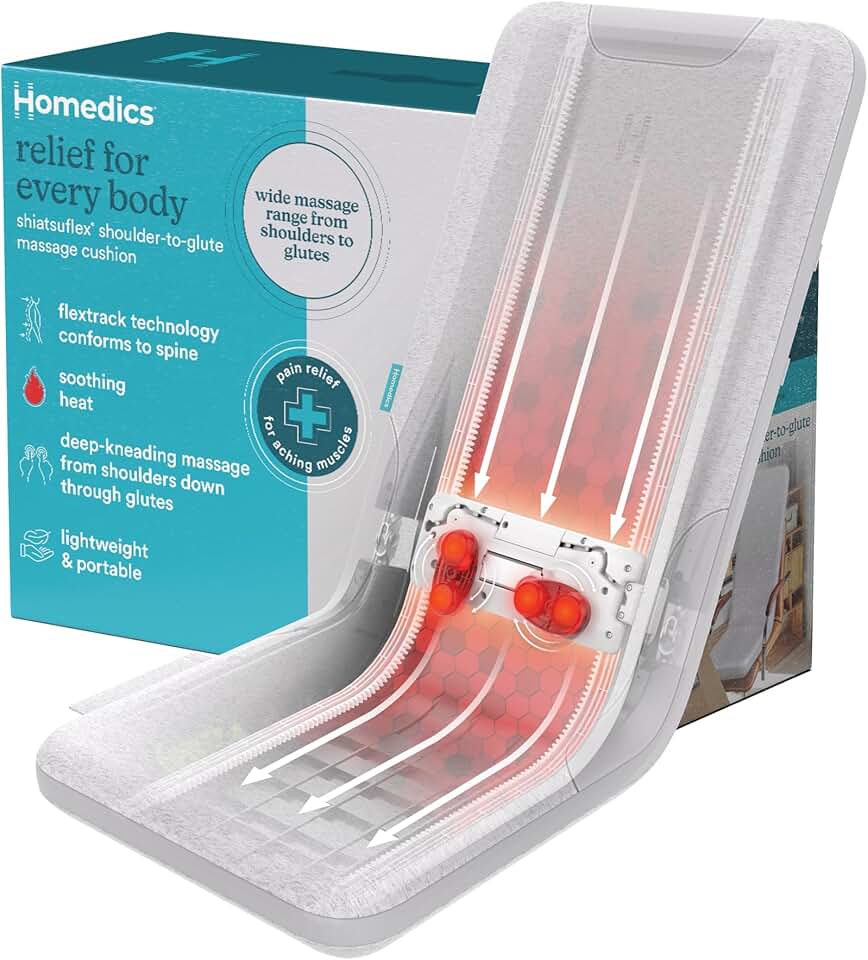
Shiatsu massage with heat · FlexTrack technology for customized massage paths · Targets back, shoulders, and leg muscles
This massage cushion brings advanced shiatsu therapy and heat to your home, offering targeted muscle relief that complements professional spa treatments.
As an Amazon Associate I earn from qualifying purchases. Prices may vary.
Beyond the Table: AI in Wellness Packages
The integration of AI isn’t limited to the massage itself. Many Colorado spas are now offering broader wellness packages that incorporate AI-powered assessments and personalized recommendations. For example, some spas are using AI to analyze DNA samples and create customized nutrition plans tailored to a client’s genetic predispositions. The science behind this is still evolving.
Virtual reality (VR) relaxation experiences are also gaining popularity. Spas are using VR headsets to transport clients to calming environments, such as beaches or forests, during or after their massage. This can help to deepen relaxation and enhance the overall sense of well-being. Some spas are experimenting with AI-generated VR environments that adapt to the client’s biometric data.
Perhaps the most intriguing development is the potential for AI-driven post-massage recovery plans. These plans could include personalized exercise routines, nutritional guidelines, and even recommendations for stress management techniques, all based on data collected during the massage session. This approach aims to maximize the benefits of treatment.
What Data is Collected & Is It Secure?
A legitimate concern with AI-enhanced massage is data privacy. These systems collect a range of information, including pressure points, muscle tension readings, biometric data (heart rate, skin temperature), and potentially even personal information provided during intake. It’s essential to understand what data is being collected and how it’s being used.
Reputable spas should be transparent about their data collection practices and obtain explicit consent from clients before collecting any information. They should also have robust security measures in place to protect this data from unauthorized access. Look for spas that comply with Colorado’s data privacy laws.
Specifically, Colorado’s Colorado Privacy Act (CPA) grants consumers rights over their personal data, including the right to access, correct, and delete their information. Ask spas about their data security protocols and their compliance with the CPA before booking a treatment. It’s also wise to inquire about data retention policies – how long they store your information.
Cost Comparison: AI vs. Traditional Massage
Generally, AI-enhanced massage therapy tends to be more expensive than traditional massage. The price difference isn’t always substantial, with AI-enhanced sessions typically costing between $20 and $50 more than comparable traditional massages. This price reflects the investment spas have made in the technology and
The cost also varies depending on the level of AI integration. A spa that simply uses pressure mapping sensors may charge a slightly higher rate than one that incorporates AI-powered muscle tension analysis and personalized aromatherapy. It's also common to see tiered pricing, with basic AI-enhanced sessions offered at a lower price point than more comprehensive packages.
Ultimately, the value proposition is key. While AI-enhanced massage may cost more upfront, the added benefits – such as improved accuracy, personalization, and a deeper understanding of your body’s needs – may justify the extra expense. I think it's worth considering the long-term benefits of a more targeted and effective treatment.
Traditional Massage vs. AI-Enhanced Massage: A Comparative Overview (Colorado, 2026)
| Feature | Traditional Massage | AI-Enhanced Massage | Notes |
|---|---|---|---|
| Personalization | Relies on client communication & therapist expertise. | Potential for highly customized sessions based on biofeedback & data analysis. | AI aims to refine treatment plans based on individual responses, but human interaction remains vital. |
| Data-Driven Insights | Primarily based on therapist’s experience and client feedback. | Utilizes sensor data (pressure, muscle tension) to inform treatment and track progress. | Data privacy is a key consideration as AI systems collect and analyze personal information. |
| Therapist Skill Augmentation | Therapist skill is paramount; continuous education is key. | AI tools can assist with technique precision and identify areas needing attention. | AI is intended to *support* therapists, not replace them; human intuition is still crucial. |
| Cost | Generally consistent pricing based on session length & modality. | Potentially higher initial costs due to technology investment; long-term pricing may vary. | Cost will depend on the extent of AI integration and spa offerings. |
| Privacy | Client-therapist confidentiality is standard practice. | Requires robust data security measures to protect sensitive client information. | Transparency regarding data collection and usage is essential for building trust. |
| Adaptability | Highly adaptable to immediate client feedback during the session. | Adaptability relies on the sophistication of the AI algorithms and sensor technology. | Real-time adjustments by the therapist are still possible, even with AI assistance. |
| Focus | Holistic wellness, addressing physical and emotional needs. | May initially focus on biomechanical data; holistic integration is developing. | Successful AI integration will blend data-driven insights with a holistic approach to wellness. |
Qualitative comparison based on the article research brief. Confirm current product details in the official docs before making implementation choices.
Looking Ahead: The Future of AI Massage in Colorado
The future of AI in Colorado massage therapy looks incredibly promising. We're likely to see even more sophisticated AI technologies emerge, such as systems that can predict muscle imbalances before they lead to pain or injury. I anticipate that integration with wearable health trackers will become increasingly common, allowing therapists to access a wealth of data about their clients' activity levels, sleep patterns, and stress levels.
Another exciting possibility is AI-powered remote massage guidance. Imagine being able to receive personalized massage instructions from an AI system based on your specific needs and preferences. This could be particularly beneficial for people who live in remote areas or have limited access to qualified therapists.
As the technology matures and becomes more affordable, I expect to see wider adoption of AI-enhanced massage across Colorado. It’s a trend that has the potential to transform the spa experience and empower both therapists and clients to achieve optimal wellness. The combination of human expertise and artificial intelligence is a powerful one.

No comments yet. Be the first to share your thoughts!