

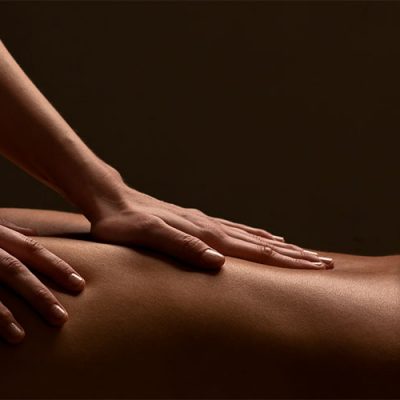
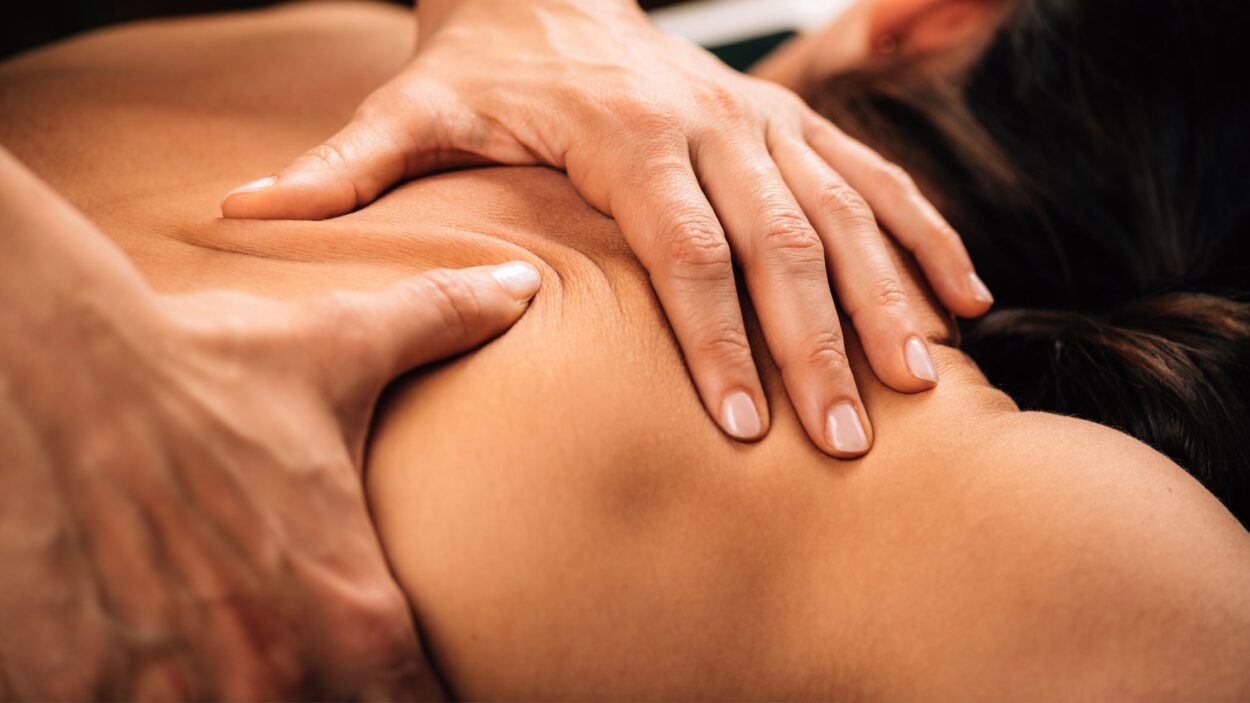
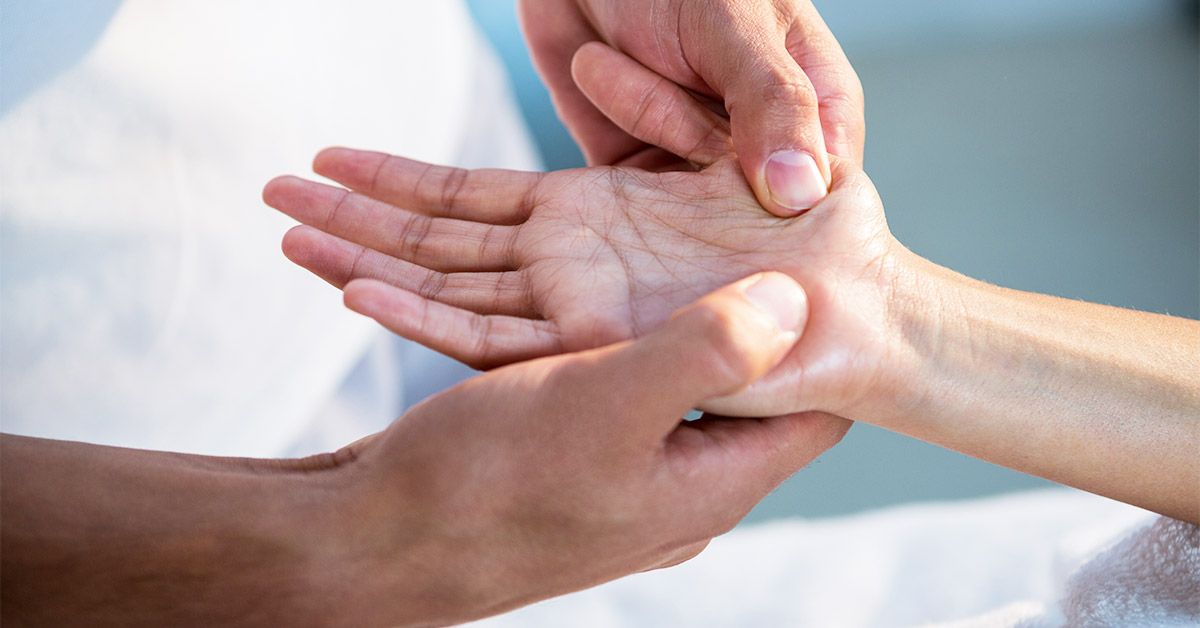
Start with proper hand positioning
Start Massage Techniques for with the constraint that matters most in real life: space, timing, budget, skill level, maintenance, or availability. That first constraint should shape the rest of the plan instead of appearing as an afterthought. Keep the first pass simple enough to verify. Compare the main options against the same criteria, remove choices that only work in ideal conditions, and save optional upgrades for later.
Master the five basic strokes
All massage therapy, from gentle relaxation to deep tissue work, is built on five foundational movements. Learning these core techniques provides the mechanical vocabulary needed to treat any area of the body effectively. Think of these strokes as the alphabet; once you know how to form the letters, you can write any word.
The American Massage Therapy Association outlines these five primary techniques as the standard for Swedish massage and general therapeutic practice: effleurage, petrissage, friction, vibration, and tapotement. Each serves a distinct physiological purpose, from increasing blood flow to releasing specific muscle knots. Mastering the pressure and rhythm of each stroke is the first step in becoming a competent practitioner.
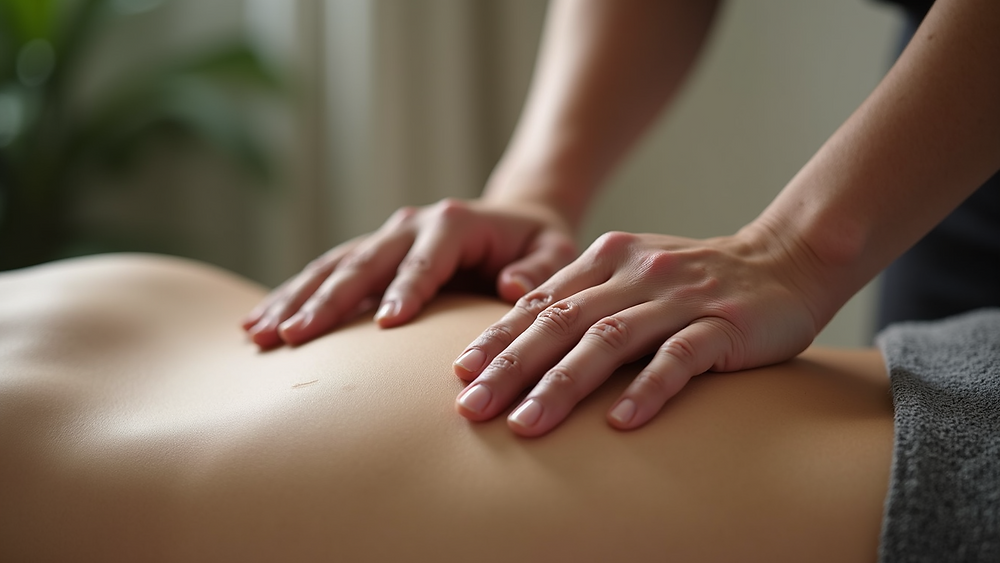
Effleurage involves long, sweeping strokes performed with the palms or thumbs. This technique is typically used at the beginning and end of a session to warm up the muscles and spread massage oil. The pressure should be firm but smooth, following the direction of venous return toward the heart. It helps calm the nervous system and prepares the tissue for deeper work.
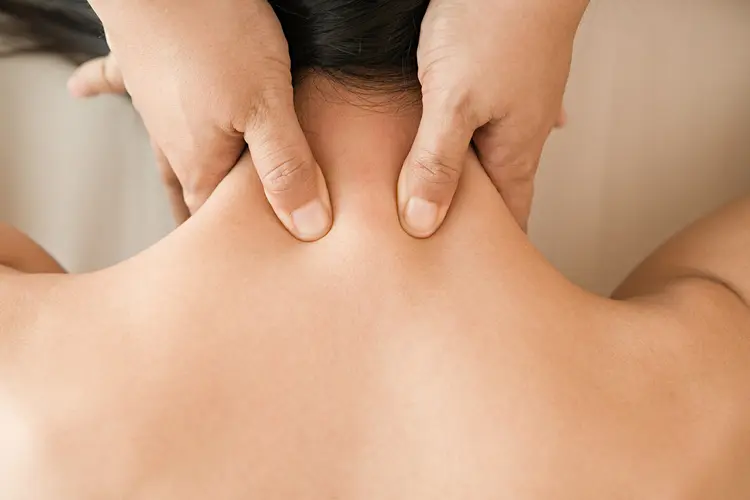
Petrissage mimics the motion of kneading dough. You lift, squeeze, and roll the muscle tissue between your fingers and thumbs. This movement increases circulation to the area and helps release tension trapped in the deeper layers of muscle. It is particularly effective for stiff necks and tight shoulders, but should be avoided on inflamed or bruised tissue.
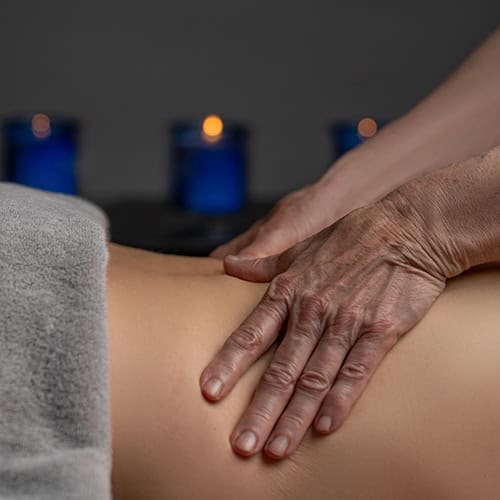
Friction applies deep, concentrated pressure using the thumbs, fingertips, or elbows. Unlike gliding strokes, friction moves across the grain of the muscle fibers rather than along them. This targeted pressure breaks up adhesions and scar tissue, promoting healing in specific problem areas. Use this technique sparingly and only on areas that can tolerate deep pressure.
Vibration involves rapid, shaking movements applied to the muscle. You can achieve this by placing your hands firmly on the body and using your forearm muscles to create a tremor, or by using a mechanical device. This technique stimulates nerve endings and helps relax deeply contracted muscles. It is often used on large muscle groups like the quadriceps or glutes.
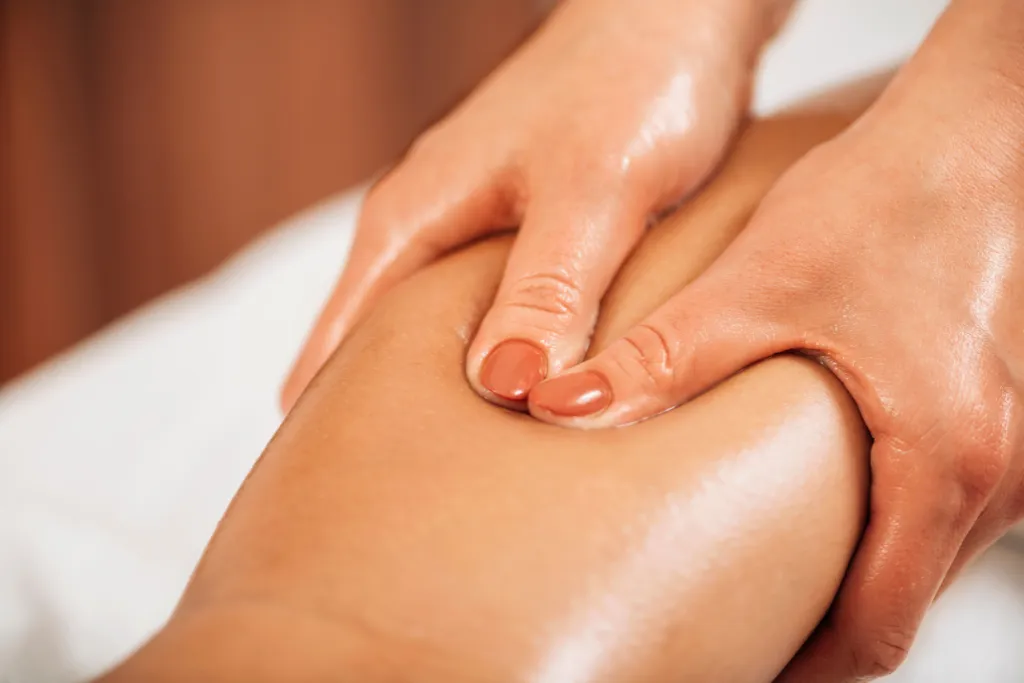
Tapotement consists of rhythmic tapping, hacking, or cupping motions performed with the sides of the hands. This stimulating technique increases blood flow and invigorates the tissue, making it useful for areas that feel sluggish or numb. Avoid using tapotement on bony areas or near the spine, and never use it on the head or neck without specialized training.
These five strokes are not meant to be used in isolation. A typical massage sequence might begin with effleurage to warm the tissue, move into petrissage and friction for deeper work, and finish with tapotement or vibration to stimulate the area before returning to gentle effleurage to calm the client. Practice each movement slowly to develop muscle memory and consistent pressure.
Apply pressure safely and effectively
Finding the right amount of pressure is the most critical skill in massage therapy. Pressure that is too light often fails to reach the muscle tissue, while pressure that is too heavy can cause pain, bruising, or defensive muscle tension. The goal is to find a "sweet spot" where the client feels a productive sensation without discomfort.
Start with light pressure to warm up the tissue and allow the client to adjust to your touch. Gradually increase the pressure as you move deeper into the muscle layers. Always communicate with your client, asking for feedback on what feels good and what hurts. Remember that pain is not a sign of a good massage; it is a signal to back off.
The depth of your pressure should match the target tissue. Superficial strokes, such as those used in Swedish massage, sit on top of the skin and upper fascia. These are best for relaxation and increasing circulation. Deeper pressure targets the muscle belly and connective tissue. This requires more body weight and slower, deliberate movements to penetrate without causing injury.
Use your body weight, not just your arm strength, to apply pressure. Leaning from your core allows for sustained, even pressure without straining your hands or wrists. If you find yourself pushing hard with your fingers, you are likely too shallow or using the wrong technique.
Adjust your approach based on the client's feedback and physical response. If a client tenses up or breathes shallowly, reduce the pressure immediately. If they relax and exhale deeply, you may be able to increase it slightly. Always err on the side of caution, especially with beginners or clients with medical conditions.
Practice self-massage for common areas
Self-massage is a practical way to manage tension in high-stress zones like the neck, shoulders, and lower back. These areas accumulate tightness from poor posture and prolonged sitting. You can use your hands or simple tools like a tennis ball or massage ball to apply pressure to trigger points.
Neck and shoulders
Tension here often stems from looking down at screens. To release this, sit upright and place one hand on the opposite shoulder. Use your thumb to press into the tight muscle between your neck and shoulder blade. Hold the pressure for 30 seconds, then release. Repeat on the other side. You can also use a tennis ball against a wall to target deeper knots in the upper back.
Lower back
The lower back supports much of your body weight and can become stiff from sitting all day. Lie on your back with your knees bent. Place a massage ball under your lower back, just above the hips. Gently roll side to side to find tender spots. Stay on any tight area for 20–30 seconds until the muscle relaxes. Avoid placing the ball directly on your spine.
Head and face
Headaches often start with tension in the scalp and jaw. Use your fingertips to make small circles along your hairline. Move slowly toward the back of your head. For jaw tension, place your thumbs on your temples and press gently in a circular motion. This can help relieve tension that contributes to tension headaches.
Arms and hands
Repetitive tasks like typing can cause tightness in the forearms and wrists. Use your opposite hand to knead the forearm muscles. Start near the elbow and work your way down toward the wrist. For your hands, pull each finger gently to stretch the tendons. This simple routine can prevent strain from daily activities.
Know when to seek professional help
Massage Techniques for works best as a clear sequence: define the constraint, compare the realistic options, test the tradeoff, and choose the path with the fewest hidden costs. That order keeps the advice usable instead of decorative. After each step, pause long enough to check whether the recommendation still fits the reader's actual situation. If it depends on perfect timing, unusual access, or a best-case budget, include a simpler fallback.
The simplest way to use this section is to write down the real constraint first, compare each option against it, and choose the path that still works outside ideal conditions.
Frequently Asked Questions About Massage
How long should a beginner massage session last?
For beginners, a 10- to 15-minute session is ideal. This duration is long enough to relax muscles but short enough to maintain focus and proper technique without causing hand fatigue. You can gradually extend the time as you build endurance and confidence in your movements.
What type of oil is best for massage?
Use a natural, unscented oil like jojoba or sweet almond oil. These oils absorb well into the skin and provide smooth glide without leaving a greasy residue. Avoid heavy, petroleum-based products that can clog pores or stain clothing. Always check for allergies before applying any new product to the skin.
How hard should I press during a massage?
Start with light pressure and adjust based on the recipient's feedback. The goal is to soothe muscles, not to cause pain. If the person tenses up or winces, you are pressing too hard. A good rule of thumb is to use enough pressure to feel the muscle underneath the skin, but never enough to cause discomfort.
Can I massage someone if they have a fever or infection?
No. Avoid massaging anyone who has a fever, active infection, or contagious illness. Massage increases circulation, which can spread bacteria or viruses throughout the body. Wait until the person has fully recovered and is fever-free for at least 24 hours before resuming massage sessions.
How do I warm up my hands before starting?
Rub your hands together vigorously for 30 seconds to generate heat. You can also place them under warm running water or hold a warm towel. Warm hands feel more relaxing to the recipient and help the oil spread more evenly. Cold hands can cause muscles to tense up, counteracting the relaxation benefits of the massage.
No comments yet. Be the first to share your thoughts!