

Colorado's Green Spa Scene: A Growing Trend
There's a noticeable shift happening in Colorado’s wellness industry. More and more people – both residents and the millions who visit each year – are actively seeking out experiences that align with their values, and sustainability is a huge part of that. It’s not simply about wanting a relaxing massage anymore; it’s about knowing that your self-care isn't coming at the expense of the environment.
This demand isn’t surprising given Colorado’s inherent connection to the outdoors and a general ethos of conservation. The state’s beauty is a draw, and people want to protect what makes it special. We’re seeing this translate into concrete choices, with travelers and locals prioritizing businesses committed to responsible practices.
Several certifications are emerging as hallmarks of genuine commitment. LEED (Leadership in Energy and Environmental Design) certification, for example, signifies a building’s resource efficiency, while membership in the Green Spa Network demonstrates a broader dedication to sustainable operations. These aren't just marketing terms, though. They represent a verifiable effort to reduce environmental impact.
I believe this isn't a fleeting trend. The growing emphasis on eco-conscious wellness reflects a deeper societal change, a recognition that our well-being is intrinsically linked to the health of the planet. Colorado, with its stunning natural landscapes and environmentally aware population, is at the forefront of this movement.
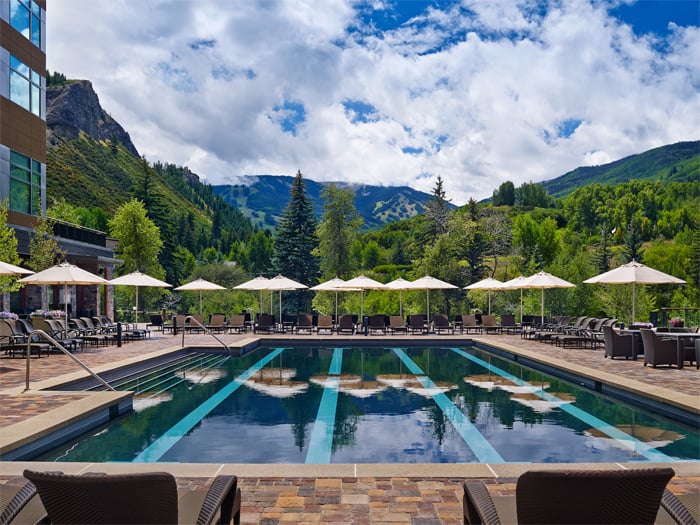
The Top 15 Eco-Friendly Spas
Here are fifteen Colorado spas leading the charge in sustainable wellness. These places demonstrate a real commitment, going beyond superficial gestures to implement meaningful changes. Price ranges are approximate for a 60-minute massage and subject to change.
The Broadmoor (Colorado Springs): This iconic resort has invested heavily in water conservation efforts and utilizes sustainable landscaping practices. They also source local ingredients for their spa treatments whenever possible. Price range: $225 - $350.
The Sonnenalp Hotel (Vail): Known for its luxurious accommodations, the Sonnenalp also prioritizes sustainability. They use energy-efficient lighting, recycle extensively, and participate in local environmental initiatives. Price range: $200 - $300.
St Julien Hotel & Spa (Boulder): Located in the heart of Boulder, this spa emphasizes organic and locally sourced products. They also have a robust recycling program and are committed to reducing their carbon footprint. Price range: $180 - $280.
Remède Spa at The St. Regis Aspen Resort (Aspen): Remède Spa focuses on using natural and organic ingredients in their treatments and actively works to minimize waste. Their commitment extends to supporting local environmental organizations. Price range: $250 - $400.
The Spa at Four Seasons Resort and Residences Vail (Vail): This spa champions sustainability through water conservation, energy efficiency, and responsible sourcing of products. They've also implemented a comprehensive waste reduction program. Price range: $230 - $380.
The Ritz-Carlton Spa, Denver (Denver): The Ritz-Carlton Spa in Denver has a focus on eco-friendly practices, including using organic linens and locally sourced ingredients. They also actively participate in community sustainability programs. Price range: $200 - $320.
Devil's Thumb Ranch Resort & Spa (Tabernash): This ranch-style resort is deeply committed to sustainability, with a focus on preserving the surrounding natural environment. They use renewable energy sources and offer farm-to-table dining. Price range: $175 - $275.
Gravity Haus (Breckenridge & Vail): Gravity Haus incorporates sustainability into its entire brand identity. They prioritize locally sourced products, minimize waste, and offer eco-friendly activities. Price range: $150 - $250.
Element 29 (Denver): This Denver spa is dedicated to using organic and sustainable products, and they offer a range of eco-friendly treatments. They also focus on reducing waste and conserving water. Price range: $120 - $220.
The Infinite West Spa (Denver): Committed to holistic wellness, The Infinite West Spa uses organic products and sustainable practices. They also offer unique treatments inspired by the natural beauty of Colorado. Price range: $130 - $230.
Hale Sanctuary (Denver): Hale Sanctuary emphasizes natural and organic treatments, promoting a holistic approach to well-being. They focus on sustainability through product sourcing and waste reduction. Price range: $100 - $200.
Oceanaire Spa (Steamboat Springs): Oceanaire Spa is committed to using organic and natural products, and they offer a range of eco-friendly treatments. They also focus on water conservation and energy efficiency. Price range: $160 - $260.
The Cliff Spa at Pikes Peak (Colorado Springs): This spa incorporates natural elements into its treatments and focuses on sustainable practices. They emphasize water conservation and responsible sourcing. Price range: $150 - $250.
Spa at Garden of the Gods (Colorado Springs): Offering treatments inspired by the surrounding landscape, this spa prioritizes sustainability through product selection and waste reduction. They also support local environmental initiatives. Price range: $170 - $270.
Revive Spa (Fort Collins): Revive Spa focuses on organic and natural products, providing a holistic wellness experience. They actively participate in local sustainability efforts. Price range: $110 - $210.
Sustainable Spa Essentials for Your Eco-Conscious Wellness Journey

Certified USDA Organic Lavender Scented Massage Oil · Non-Greasy Formula · 8 fl oz (237 mL) bottle
This certified organic massage oil offers a natural and soothing aromatherapy experience, perfect for at-home relaxation and self-care.
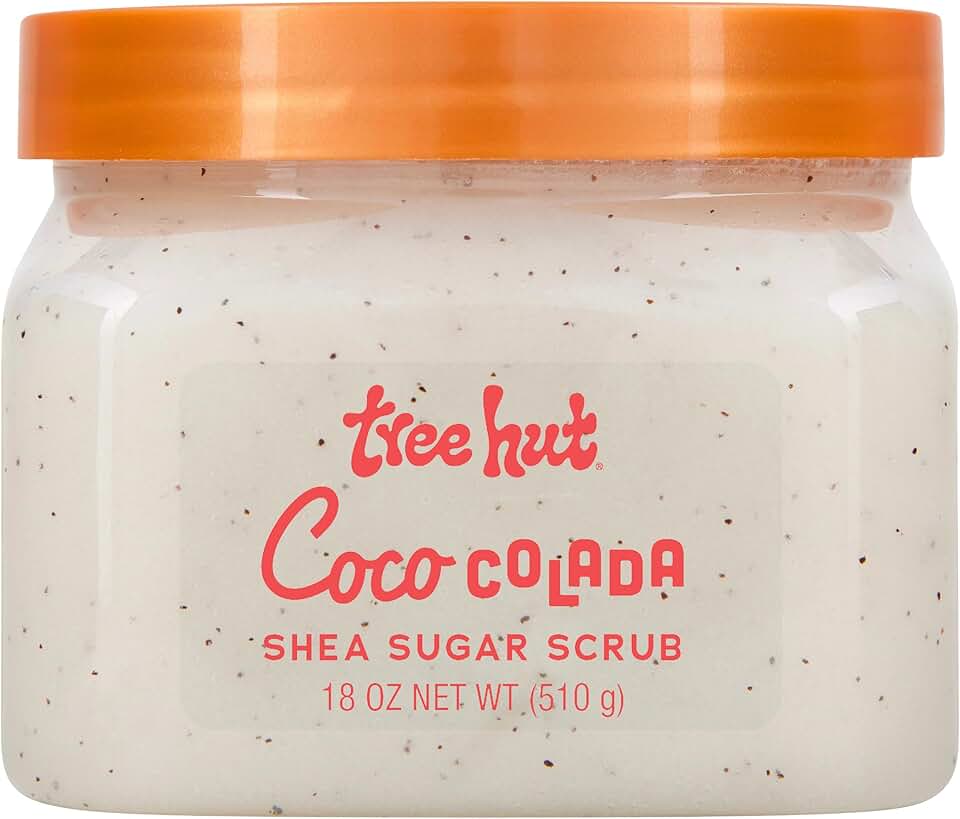
Infused with Certified Organic Shea Butter and Essential Oils · Exfoliates and hydrates skin · Made with natural ingredients
The Tree Hut Shea Sugar Scrub provides a luxurious, natural exfoliation that leaves skin feeling soft and rejuvenated, aligning with sustainable beauty practices.

Made from Rayon derived from Bamboo · Ultra-soft and absorbent · Reusable and gentle on delicate skin
These bamboo-derived washcloths are an eco-friendly alternative to disposable wipes, offering gentle cleansing for sensitive skin.

USDA Organic Cold-Pressed Jojoba Oil · 100% Pure & Natural, Hexane-Free · Versatile for hair, skin, face, massage, and aromatherapy
Pure, organic jojoba oil is a versatile, natural moisturizer and carrier oil that supports a holistic approach to wellness and beauty.

Unscented Magnesium Sulfate USP · Aids in muscle and feet relaxation · 3 Pound resealable bag
Amazon Basics Epsom Salt Soak provides a simple, natural way to relax muscles and de-stress, promoting recovery and well-being.
As an Amazon Associate I earn from qualifying purchases. Prices may vary.
Decoding Spa Certifications
Spa certifications can be confusing. Here's a breakdown of common ones in Colorado.
LEED (Leadership in Energy and Environmental Design) is a globally recognized green building certification system. For spas, this means the building itself has been designed and constructed to minimize environmental impact – through efficient energy use, water conservation, responsible material selection, and indoor environmental quality. There are different levels of LEED certification (Certified, Silver, Gold, Platinum), with Platinum being the highest.
The Green Spa Network is a membership-based organization dedicated to promoting sustainability in the spa industry. Membership requires adherence to a set of environmental standards, including water and energy conservation, waste reduction, and the use of organic and natural products. It’s a good indicator of a spa’s overall commitment, though not as rigorous as LEED for building standards.
Currently, there aren’t many Colorado-specific certifications for spas. However, some spas may participate in state-level environmental programs or partner with local organizations focused on sustainability. It’s always a good idea to ask spas directly about their specific practices and initiatives.
Eco-Friendly Spa Certifications Comparison
| Certification Name | Governing Body | Key Focus Areas | Cost to Obtain | Credibility/Recognition |
|---|---|---|---|---|
| LEED (Leadership in Energy and Environmental Design) | U.S. Green Building Council (USGBC) | Energy efficiency, water conservation, indoor environmental quality, sustainable materials | Significant; varies based on project scope and certification level | Widely recognized as a comprehensive standard for green buildings; high credibility. |
| Green Spa Network | Green Spa Network | Resource conservation, waste reduction, pollution prevention, sustainable sourcing | Membership-based; tiered levels with associated fees | Strong within the spa industry; focuses specifically on wellness facilities. |
| Green Key Global | Green Key Global | Environmental management, energy and water conservation, waste management, social responsibility | Assessment and annual fees; cost varies by property size | Internationally recognized; popular among hotels and resorts, increasingly used by spas. |
| Organic Spa Magazine Certification | Organic Spa Magazine | Use of organic and natural products, sustainable practices, environmental stewardship | Application and annual fees; varies based on facility type | Focuses heavily on product ingredients and holistic wellness; good for spas emphasizing natural treatments. |
| WELL Building Standard | International WELL Building Institute (IWBI) | Air, water, nourishment, light, fitness, comfort, and mind – focusing on human health within buildings | Complex and potentially high; requires extensive documentation | Growing recognition; emphasizes the impact of the built environment on human health and well-being. |
| B Corp Certification | B Lab | Social and environmental performance, accountability, and transparency | Assessment and annual certification fees; varies based on revenue | Demonstrates a commitment to overall positive impact; increasingly valued by consumers. |
Qualitative comparison based on the article research brief. Confirm current product details in the official docs before making implementation choices.
Massage Techniques & Sustainable Products
Sustainability isn’t just about the spa building; it extends to the treatments themselves. Certain massage techniques and product choices naturally align with a more eco-conscious approach.
Aromatherapy using organic essential oils is a prime example. Sourcing oils from sustainable farms ensures minimal environmental impact and supports ethical labor practices. Many Colorado spas, like Element 29 in Denver, are prioritizing organic aromatherapy blends.
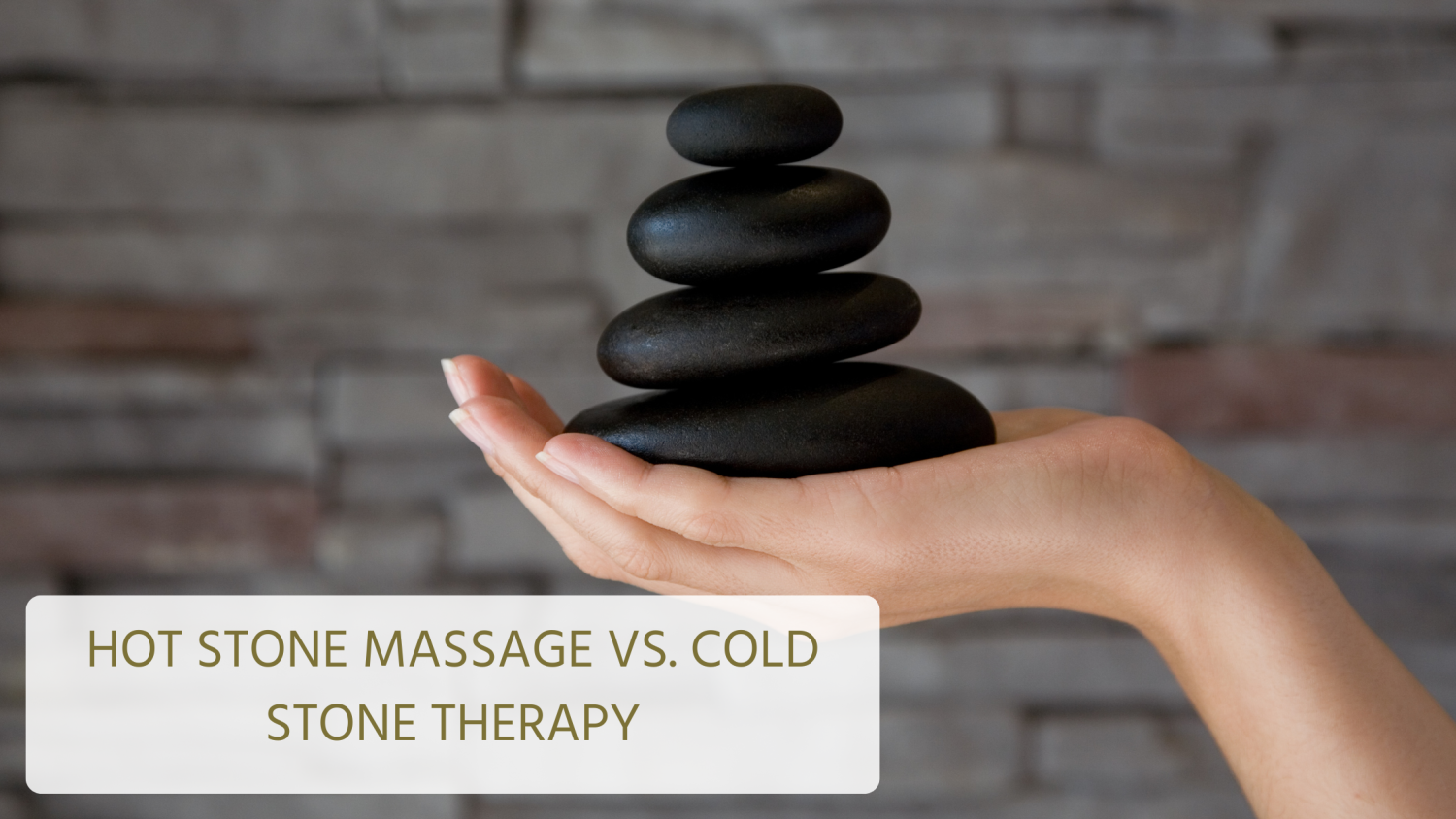
Hot stone massage can also be sustainable when the stones are ethically sourced. Some spas are now using river stones collected responsibly or stones from suppliers committed to fair labor practices.
Herbal wraps and scrubs are another opportunity to embrace local and sustainable ingredients. Spas like Devil's Thumb Ranch Resort & Spa utilize locally grown herbs in their treatments, reducing transportation emissions and supporting local agriculture. Using ingredients like Colorado honey or oatmeal in scrubs is a great way to minimize impact.
Beyond the Spa: Eco-Tourism in Colorado
Extend your sustainable wellness journey beyond the spa walls. Colorado offers a wealth of eco-friendly activities that complement a relaxing retreat.
Consider hiking or biking in one of the state’s many national parks or forests. Explore Rocky Mountain National Park, Black Canyon of the Gunnison, or the San Juan National Forest. Support local farmers’ markets and purchase organic produce and artisanal goods. Many spas, like Remède Spa at The St. Regis Aspen Resort, partner with local organizations to offer guided nature walks or volunteer opportunities.
Choosing eco-friendly transportation options, such as public transit or electric vehicle rentals, can further minimize your environmental impact. Colorado is making strides in expanding its electric vehicle infrastructure.
DIY Spa Treatments: Bringing Sustainability Home
You don’t need a spa to enjoy the benefits of sustainable self-care. Here are a few simple recipes for at-home treatments using natural, readily available ingredients.
Honey & Sugar Scrub: Mix 1/2 cup sugar with 1/4 cup local honey and a tablespoon of olive oil. Gently massage onto skin in circular motions, then rinse. This is a fantastic exfoliant.
Avocado & Oatmeal Face Mask: Mash 1/2 an avocado with 2 tablespoons of cooked oatmeal and a teaspoon of honey. Apply to face for 15-20 minutes, then rinse. This mask is incredibly moisturizing.
Relaxing Bath Soak: Add 1 cup of Epsom salts, 1/2 cup of baking soda, and 10-15 drops of your favorite organic essential oil (lavender, chamomile, or eucalyptus) to a warm bath. Soak for 20-30 minutes.
Spas Worth a Closer Look
A few of the listed spas stand out for their innovative sustainability initiatives.
Gravity Haus (Breckenridge & Vail) is a standout because sustainability isn't an add-on; it's woven into the entire guest experience. From their commitment to locally sourced products to their active participation in community environmental projects, they truly walk the walk.
Devil's Thumb Ranch Resort & Spa (Tabernash) impressed me with its holistic approach. Their commitment to preserving the surrounding natural environment, combined with their farm-to-table dining and sustainable spa treatments, creates a truly immersive and restorative experience.
Finally, Element 29 (Denver) deserves recognition for its dedication to organic and natural products. Their focus on providing a clean and sustainable wellness experience is admirable, and their range of eco-friendly treatments is impressive.

No comments yet. Be the first to share your thoughts!