

The Rising Appeal of Contrast Therapy: Beyond Basic Relaxation
We’re seeing a definite shift in the wellness world. People aren’t just looking for a way to de-stress; they want active recovery, something that addresses physical needs alongside mental wellbeing. This is driving interest in modalities like hot and cold stone massage, which go beyond simple relaxation and tap into the body’s natural healing processes.
The use of hot and cold for therapeutic purposes isn't new. Ancient Roman baths, Finnish saunas, and traditions within traditional Chinese medicine all utilized temperature contrast for health benefits. What’s happening now is a reinterpretation of these age-old practices with a modern understanding of physiology.
There's a growing fascination with biohacking and personalized wellness, and contrast therapy fits right in. It’s about understanding how your body responds to stimuli and using that knowledge to optimize performance and recovery. This isn't a fleeting trend; it feels like a fundamental shift in how people approach self-care. It’s a move away from passive treatments toward more engaged, proactive wellness strategies.
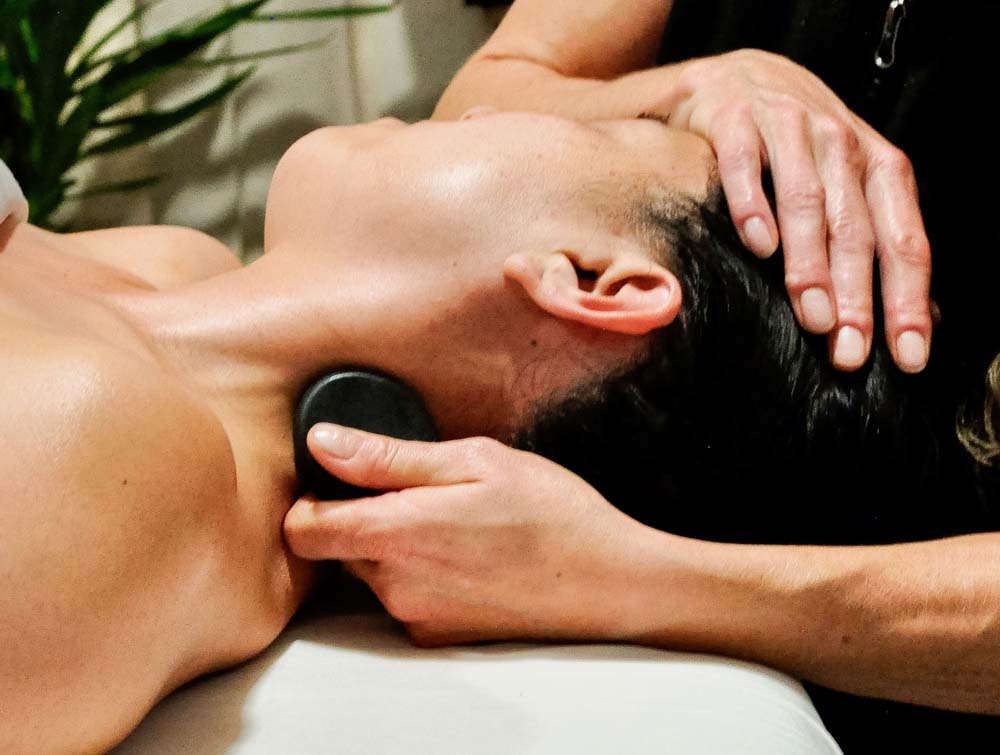
Hot Stone Massage: The Warm Embrace of Muscle Release
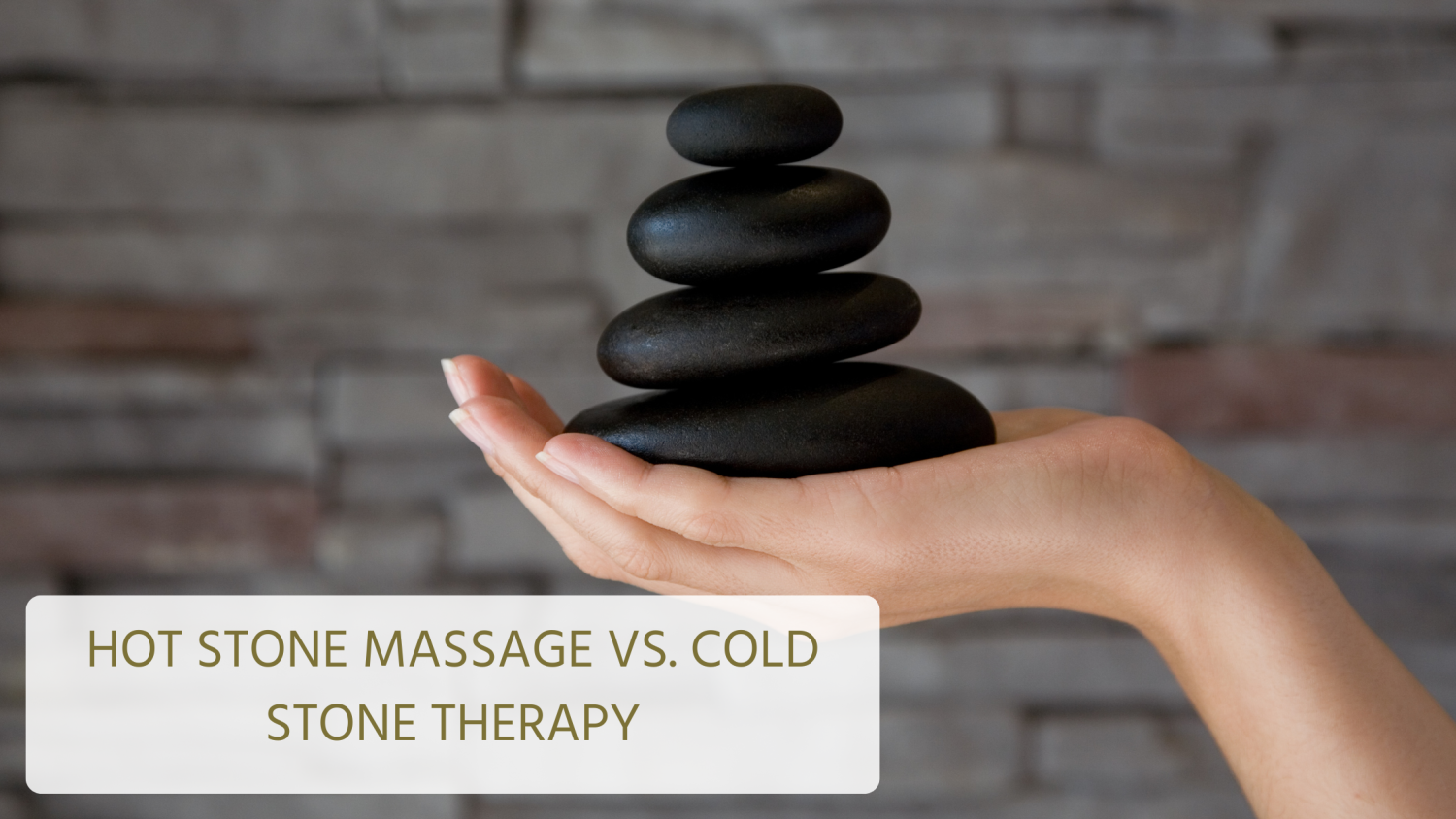
Hot stone massage is probably the more familiar of the two techniques. It involves the use of smooth, heated basalt stones – though other types are sometimes used – placed on specific points of the body. The stones are typically heated to between 110-130°F, although this can vary depending on the therapist and the client’s sensitivity.
The theory behind hot stone massage is that the heat penetrates deeply into the muscle tissue, increasing circulation and promoting relaxation. This allows the therapist to work with deeper muscle layers more effectively, releasing tension and easing pain. It’s particularly helpful for people with muscle stiffness, chronic pain, or those recovering from injury.
A common misconception is that any type of stone will do. Basalt, being volcanic rock, retains heat exceptionally well. Proper heating is paramount though, and therapists need to be meticulous to avoid burns. The practice itself can be traced back to ancient Chinese medicine, where heated stones were used for healing and pain relief. It’s not just about the heat; the weight of the stones also provides a grounding, comforting sensation.
Hot stone massage is frequently used on the back, neck, shoulders, and even the palms of the hands and soles of the feet. The warmth can be incredibly soothing and can help to calm the nervous system. It’s a wonderful option for someone looking for a deeply relaxing and therapeutic experience.
Cold Stone Massage: A Shock to the System (in a Good Way)
Cold stone massage, on the other hand, is less widely known but gaining traction, particularly among athletes and those seeking targeted pain relief. It’s not simply applying ice, it's a deliberate technique utilizing chilled stones – often marble or jade – to create a specific physiological response.
The application of cold causes blood vessels to constrict, which reduces inflammation and numbs pain. This makes it effective for treating acute injuries, muscle strains, and even certain types of headaches. Unlike heat, which relaxes muscles, cold can help to tighten and tone them, reducing swelling and promoting healing.
The temperature of the stones is critical. They are usually chilled to around 50-60°F, but therapists must be careful to avoid frostbite or skin damage. The technique involves gliding the cold stones over the skin, often in a circular motion, to stimulate circulation and release tension. It’s a more invigorating experience than hot stone massage, and some people find it surprisingly pleasant.
You'll find cold stone massage being used increasingly in sports recovery protocols. It can help to reduce muscle soreness and inflammation after intense exercise, allowing athletes to return to training sooner. It's also being explored for its potential benefits in managing chronic pain conditions.
Colorado Spas Leading the Way in Contrast Massage
Colorado is home to a number of spas that are embracing the benefits of both hot and cold stone massage. The focus on outdoor activity in the state seems to be fueling the demand for these types of therapies.
The Oxford Club, Spa & Salon in Denver offers a 'Thermal Stone Massage' which incorporates both hot and cold basalt stones. Prices start around $180 for a 60-minute session. They emphasize a customized approach, tailoring the treatment to each client's specific needs.
In Boulder, St Julien Hotel & Spa provides a 'Hot Stone Massage' and while they don’t explicitly advertise cold stone, they are known for their skilled therapists who can often incorporate contrasting temperatures upon request. Expect to pay around $200 for a 60-minute session.
The Broadmoor in Colorado Springs is a luxurious resort that features a full-service spa with a 'Stone Therapy' option. While details on specific temperature contrasts are limited, their reputation for quality and customization suggests they can accommodate requests for a combined approach. Prices begin at $220.
Up in Vail, The Spa at Four Seasons Resort Vail offers a 'Hot Stone Massage' and is known for integrating Ayurvedic principles into their treatments. They don’t currently feature cold stone as a standalone service, but their holistic approach may allow for a complementary use of cooling techniques. A 60-minute session costs around $250.
Ritz-Carlton Spa, Denver offers a variety of massage options, and their therapists are knowledgeable about incorporating different modalities, including temperature contrast. Pricing for a 60-minute massage is approximately $200. Remède Spa at The St. Regis Aspen Resort is another excellent option, known for its luxurious atmosphere and personalized treatments, with prices starting around $230.
Combining the Forces: Contrast Stone Massage – The Best of Both Worlds?
The next evolution in stone massage seems to be the integration of both hot and cold stones within a single session. The idea is to leverage the benefits of both temperature extremes – the relaxing and muscle-releasing effects of heat, and the anti-inflammatory and pain-relieving effects of cold.
The rationale is that alternating between heat and cold creates a "pumping’ action on the blood vessels, increasing circulation and flushing out toxins. This can be particularly beneficial for athletes recovering from intense workouts, or for individuals with chronic pain conditions. It"s a more dynamic treatment than either hot or cold stone massage alone.
However, it's a technique that requires a skilled and experienced therapist. They need to be able to accurately assess the client’s needs and sensitivities, and to apply the stones in a way that is both safe and effective. Contraindications are also more significant with contrast therapy – it’s not suitable for everyone.
I’m not sure how widespread this practice is yet, but I’m seeing more spas experimenting with it. It’s definitely a trend to watch. It represents a move towards more sophisticated and personalized massage therapies.
Hot Stone, Cold Stone, and Contrast Stone Massage Comparison
| Technique | Primary Benefit | Ideal For | Potential Risks | Skill Level Required |
|---|---|---|---|---|
| Hot Stone | Muscle relaxation, pain relief, improved circulation | Muscle tension, chronic pain, stress, poor circulation | Burns (if stones not properly heated/applied), discomfort with heat | Moderate to High |
| Cold Stone | Reduced inflammation, pain management, skin revitalization | Muscle soreness, post-exercise recovery, headaches, puffy skin | Frostbite (if stones not properly cooled/applied), discomfort with cold, may exacerbate some conditions | Moderate |
| Contrast Stone | Improved circulation, reduced inflammation and pain, enhanced muscle recovery | Athletes, individuals with muscle imbalances, those seeking deep tissue benefits with reduced soreness | Risk of temperature shock, requires careful monitoring of client comfort, potential for skin sensitivity | High |
| Hot Stone | Promotes deep relaxation | Individuals seeking stress relief and overall well-being | May not be suitable for those with certain medical conditions like diabetes or high blood pressure | Moderate |
| Cold Stone | Can help with lymphatic drainage | Individuals experiencing swelling or edema | May not be suitable for those with Raynaud's phenomenon or cold sensitivity | Moderate |
| Contrast Stone | Stimulates the nervous system | Individuals looking for an invigorating and revitalizing experience | Requires a skilled therapist to avoid adverse reactions | High |
Illustrative comparison based on the article research brief. Verify current pricing, limits, and product details in the official docs before relying on it.
Beyond the Stones: Complementary Therapies & 2026 Predictions
Hot and cold stone massage don’t exist in a vacuum. They are often enhanced by other therapies, such as aromatherapy, cupping, and stretching. Some spas are offering packages that combine stone massage with these complementary modalities to create a more holistic experience.
Aromatherapy, with essential oils like lavender or peppermint, can amplify the relaxing or invigorating effects of the stones. Cupping can help to release muscle tension and improve circulation, while stretching can increase flexibility and range of motion. Personalized aromatherapy blends are becoming increasingly popular.
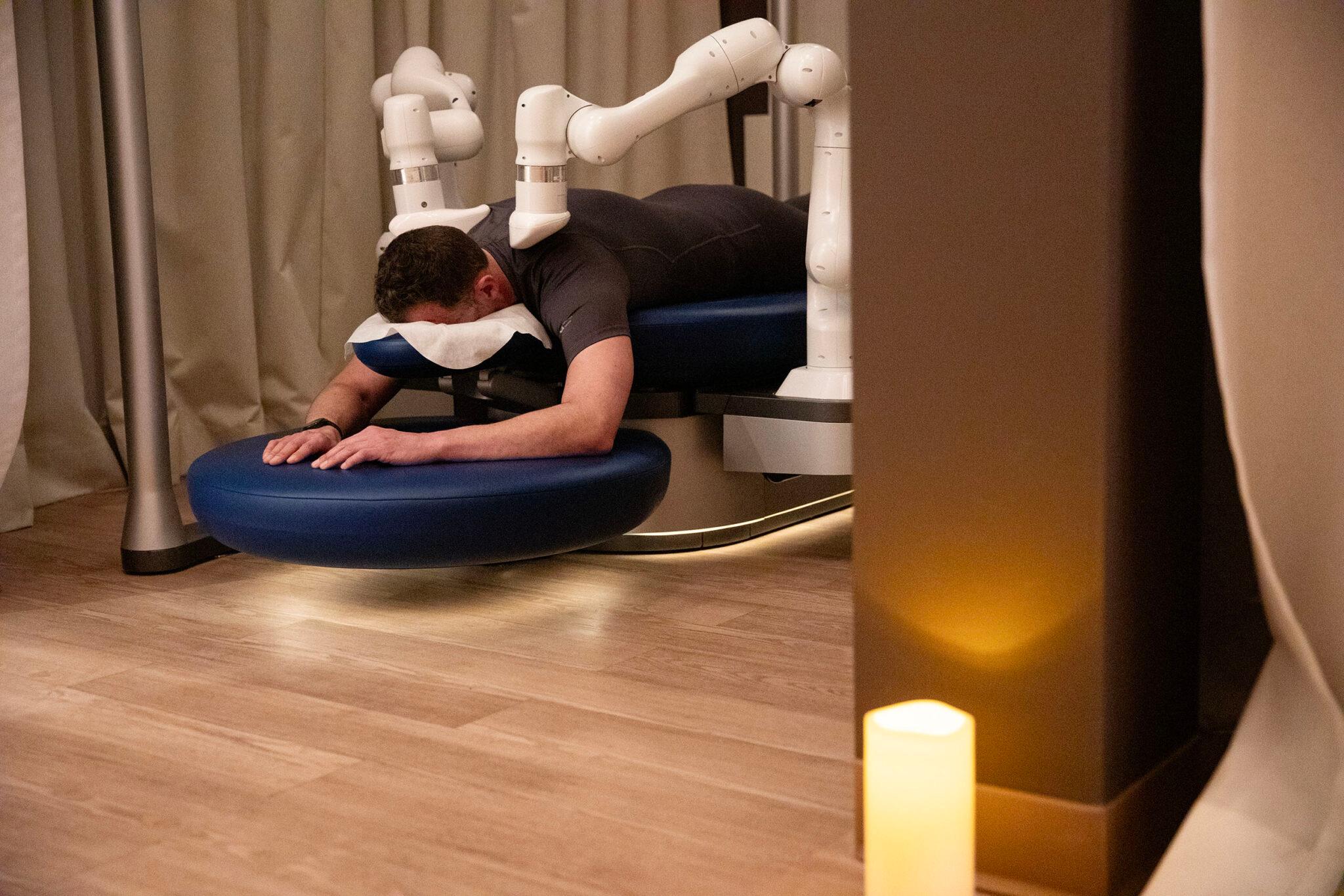
Looking ahead to 2026, I predict we’ll see even more integration of technology into contrast therapy. Temperature-regulating stones that can maintain a precise temperature for longer periods could become commonplace. Biofeedback integration – monitoring the client’s physiological responses to the treatment – could allow therapists to tailor the experience even more effectively.
I also anticipate a growing emphasis on personalized wellness plans. Spas will likely offer assessments to determine the client’s individual needs and sensitivities, and then create a customized treatment plan that incorporates hot and cold stone massage, along with other complementary therapies. The focus will be on optimizing individual results.
Content is being updated. Check back soon.
Safety First: Contraindications and Considerations
It's vital to understand that hot and cold stone massage are not suitable for everyone. There are several contraindications – conditions that would make the treatment unsafe or ineffective. These include pregnancy, cardiovascular issues, skin conditions (like eczema or psoriasis), diabetes, and nerve damage.
Individuals with these conditions should consult with their healthcare provider before undergoing any massage therapy. Potential risks include burns, frostbite, allergic reactions to the stones or oils used, and exacerbation of existing medical conditions. It’s crucial to communicate openly with your therapist about any health concerns you may have.
A reputable spa will always conduct a thorough health assessment before beginning treatment and will adjust the technique accordingly. They should also use clean and sanitized stones, and monitor the client closely throughout the session. Responsible practice is paramount.
No comments yet. Be the first to share your thoughts!