
Beyond Relaxation: What is Sound Healing Massage?
Sound healing massage is becoming a popular wellness experience in Colorado. It’s more than just a relaxing spa treatment; it integrates the power of sound with the therapeutic benefits of massage. While aromatherapy and music are common additions to a massage, sound healing massage uses specific frequencies and vibrations to encourage healing on a deeper level.
Sound healing has roots stretching back thousands of years. Ancient cultures, like the Aboriginal Australians with the didgeridoo and Tibetan monks with singing bowls, recognized the impact of sound on the mind, body, and spirit. They saw it as a practical application of natural forces, a rediscovery of ancient wisdom updated with modern understanding.
These practices once existed outside mainstream wellness, but interest is now surging. People seek holistic therapies that address physical, emotional, and energetic imbalances. Sound healing massage moves beyond simple muscle manipulation to address the whole person, shifting towards more integrative approaches to well-being.
The Science of Sound and the Body
The relaxing effects of sound have a scientific basis. Sound travels in waves, creating vibrations. Everything in our bodies, down to the cellular level, vibrates. When exposed to specific frequencies, our bodies can enter a state of resonance, where vibrations align and amplify each other.
This resonance impacts our nervous system. Different frequencies stimulate different brainwave patterns: slower frequencies are associated with relaxation and sleep (theta and delta waves), while faster frequencies promote alertness and focus (beta waves). The vibrations can also help release muscle tension by interrupting pain signals and promoting blood flow, similar to how a tuning fork can locate areas of tension.
Research into the physiological effects of sound is ongoing. Some studies, like those exploring 432 Hz music, suggest potential benefits for reducing anxiety and improving mood. However, the evidence is not yet conclusive, and the connection between sound and well-being requires further investigation.
Popular Instruments & Techniques in Colorado
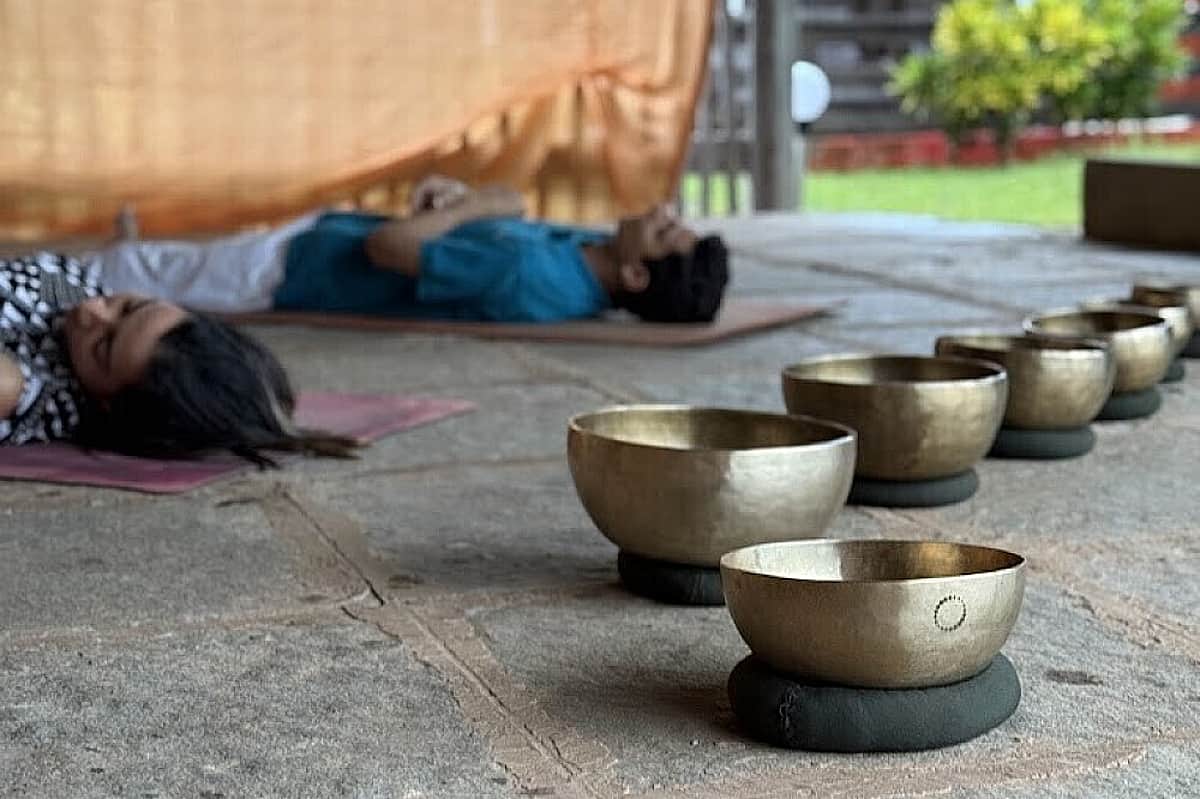
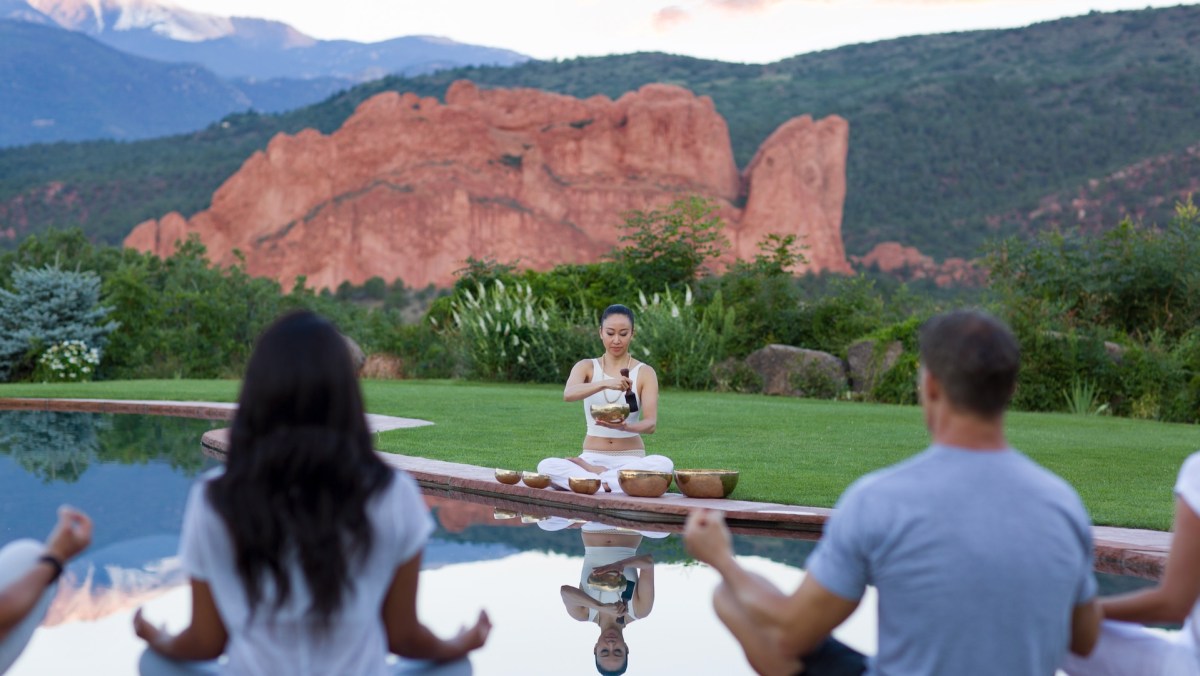
The soundscape of a sound healing massage session varies depending on the practitioner and spa. Singing bowls, particularly Tibetan and crystal bowls, are recognizable instruments. Gongs, with their rich, complex tones, are also used to induce deep relaxation.
Tuning forks are another common tool, delivering a precise frequency directly to the body, unlike the sustained resonance of a singing bowl. They can be applied to acupuncture points or held near the ears. Chimes create a shimmering, grounding sound. Some practitioners incorporate the human voice—chanting, toning, or overtone singing—to add another layer of vibration.
In Colorado, these instruments are applied diversely. Joshua’s Healing Massage in Antonito (719-229-5504) focuses on Ashiatsu massage with therapeutic oils, hinting at an integrated approach to sound and touch. Techniques include placing bowls directly on the body to feel vibrations through the skin and tissues, or creating an ambient soundscape. Some therapists offer personalized frequency work, tailoring sounds to client needs and intentions.
A trend exists where spas offer "sound baths’ alongside traditional massage, rather than fully integrating them. While a good starting point, the most effective sessions weave sound thoughtfully into the massage itself, responding to the client"s body and energy in real-time.
Sound Healing Instruments in Colorado Massage & Wellness – 2026
| Instrument Name | Typical Frequency Range | Common Effects | Colorado Spa Prevalence |
|---|---|---|---|
| Singing Bowls (Crystal) | 432 Hz – 2000 Hz | Deep relaxation, stress reduction, chakra balancing, emotional release | High |
| Gongs | Variable, broad spectrum (often below 200 Hz) | Energy clearing, emotional release, deep meditative state, nervous system regulation | Medium |
| Tuning Forks (Weighted) | 126.5 Hz – 528 Hz (and variations) | Muscle relaxation, pain relief, nervous system balancing, energy pathway stimulation | Medium |
| Bells (Chimes) | Variable, often higher frequencies | Mental clarity, uplifting mood, subtle energy work, grounding | Low |
| Voice (Overtone Singing) | Fundamental tone + harmonics | Resonance within the body, emotional release, altered states of consciousness | Low |
| Monochords | 82 Hz - 136 Hz | Grounding, relaxation, connection to earth energies, meditative state | Low |
| Ocean Drums | Variable, mimicking ocean waves | Calming, relaxation, stress reduction, connection to nature | Medium |
Illustrative comparison based on the article research brief. Verify current pricing, limits, and product details in the official docs before relying on it.
Colorado Spas Leading the Way
Several Colorado spas embrace sound healing massage. The Painted Sky Inn & Spa in Estes Park offers a 'Sound & Vibration Therapy' session incorporating tuning forks and crystal bowls alongside traditional massage. Prices for a 60-minute session start around $220, emphasizing a holistic approach to wellness.
The Spa at Four Seasons Resort Vail offers a 'Sonic Reset' treatment combining sound healing with aromatherapy and energy work. Prices start around $350 for a 60-minute session. They emphasize the restorative power of the mountains and the intention-setting aspect of the treatment.
In Denver, The Ritz-Carlton Spa integrates singing bowls into some signature massage experiences. While not a dedicated 'sound healing massage,' the addition of sound adds a unique dimension to their services. Expect to pay around $200-$300 for a 60-minute massage with sound elements.
Colorado Massage, LLC in Antonito (719-225-9908) offers Ashiatsu massage with therapeutic oils, a related approach to working with the body's energy and tension. They are a smaller practice, with generally more affordable prices. These spas create immersive experiences catering to the mind, body, and spirit.
What to Expect During Your First Session
If you're new to sound healing massage, expect a process similar to a traditional massage. Sessions begin with a consultation to discuss your needs and goals, including any medical conditions or sensitivities. Comfortable, loose-fitting clothing is recommended, as you'll lie fully clothed on a massage table.
The therapist will begin the massage using their preferred techniques, integrating sound healing throughout the session via singing bowls, gongs, chimes, or tuning forks. The practitioner may encourage you to set an intention for the session—what do you hope to release or manifest?
During the session, you might experience sensations like tingling, warmth, coolness, or emotional release. Allow yourself to be present and receive the vibrations. Communicate openly; if anything feels uncomfortable, let your therapist know. Sound healing allows sound to work with your body’s natural healing mechanisms.
- Wear comfortable clothing.
- Communicate openly with your therapist.
- Set an intention for the session.
- Allow yourself to relax and receive the vibrations.
Is Sound Healing Massage Right for You?
Sound healing massage can benefit many conditions. People seek it for stress and anxiety relief, as vibrations can calm the nervous system and promote peace. It can also help manage pain, improve sleep, and release emotional trauma by breaking up energetic blockages and facilitating emotional processing.
undefined mental health conditions, or certain medical implants (like pacemakers) should avoid sound healing massage. Pregnant women should consult with their doctor before receiving this type of treatment. It’s also important to remember that sound healing is a complementary therapy, not a replacement for conventional medical care.
I think it’s crucial to approach sound healing with realistic expectations. It’s not a quick fix, but a powerful tool for self-discovery and healing. It’s about creating space for your body to restore balance and harmony. If you’re looking for a truly holistic and transformative experience, sound healing massage might be worth exploring.
#New From facial rituals incorporating innovative massage techniques, to body rituals combining breathing exercises, massage, relaxation and stretching, drift away at the expert hands of the PAOMA therapists at the spa Monte-Carlo Beach!https://t.co/y8Aktb7ww6 pic.twitter.com/TIKKfNrQ2X
— Monte-Carlo Société des Bains de Mer (@MonteCarloSBM) May 17, 2022
The Future of Sound & Wellness in Colorado
I anticipate sound healing will continue to grow in popularity in Colorado. We’re already seeing more spas incorporating it into their menus, and I expect that trend to continue. I think we’ll also see more specialized practitioners emerging – therapists who are deeply trained in both massage and sound healing techniques.
There’s also potential for innovation in the instruments and techniques used. We might see the development of new sonic technologies or the integration of sound healing with other modalities, such as virtual reality or biofeedback. Whether insurance companies will cover sound healing remains to be seen, but increased research and awareness could potentially pave the way for greater accessibility.
Colorado's strong wellness culture and its appreciation for natural therapies position it as a hub for sound healing innovation. It's an exciting time to witness the evolution of this ancient practice and its potential to improve the well-being of people throughout the state.
Content is being updated. Check back soon.
No comments yet. Be the first to share your thoughts!